The Role of the Thumb in Palmistry: Unlocking Your Inner Drive and Willpower

Introduction

Palmistry, the ancient practice of reading palms to understand personality traits and future possibilities, places great importance on the thumb. Unlike the other fingers, the thumb stands apart, representing willpower, determination, and personal control. It is often considered the most vital digit in palmistry, revealing the strength of an individual’s inner drive and ability to navigate life’s challenges.

In this blog, we will explore how the shape, flexibility, length, and positioning of the thumb can unveil key aspects of a person’s character and destiny.

The Thumb’s Symbolic Meaning in Palmistry

In palmistry, the thumb symbolizes human will and reasoning power. It is divided into three main sections:

  1. The First Phalange (Tip) – Represents willpower and determination.
  2. The Second Phalange (Middle) – Governs logic, reasoning, and decision-making ability.
  3. The Third Section (Base/Mount of Venus) – Connected to passion, desire, and emotional strength.

A well-balanced thumb indicates a person with strong self-control, whereas an underdeveloped or poorly proportioned thumb may signify weakness in willpower or poor decision-making abilities.

The Shape of the Thumb

The shape of the thumb is crucial in determining personality traits:

  1. Broad-Tipped Thumb: A person with a broad tip is practical, decisive, and strong-willed.
  2. Pointed Thumb: Indicates creativity, intuition, and a delicate approach to decision-making.
  3. Square-Tipped Thumb: Represents a balanced, disciplined, and logical individual.

The Length of the Thumb

The length of the thumb in comparison to the palm can indicate levels of authority and self-reliance:

  • Long Thumb: Suggests a strong-willed, independent, and ambitious personality.
  • Short Thumb: Represents a more submissive nature, indicating dependency on others for motivation.

Thumb Flexibility: Stubbornness vs. Adaptability

  • Flexible Thumb: A person with a flexible thumb is open-minded, adaptable, and emotionally expressive. These individuals are often creative and can adjust to different circumstances with ease.
  • Stiff Thumb: Indicates a strong sense of self, discipline, and unwavering principles. However, it may also suggest rigidity in thinking and resistance to change.

Thumb Positioning and Its Influence

The natural positioning of the thumb when the hand is relaxed also holds significance:

  • Wide-Angled Thumb: If the thumb extends away from the palm at a wide angle, it signifies generosity, open-mindedness, and a free-spirited nature.
  • Close to the Palm: A thumb that rests closer to the palm suggests caution, reserve, and a more conservative approach to life.

The Thumb and Leadership Qualities

A well-developed thumb often indicates leadership potential. People with strong thumbs tend to be:

  • Assertive and confident
  • Logical in decision-making
  • Strong-willed and determined to achieve their goals
  • Emotionally balanced and resilient

Conclusion

In palmistry, the thumb serves as a key indicator of an individual’s inner drive, willpower, and reasoning ability. By analyzing its shape, length, flexibility, and positioning, one can gain profound insights into a person’s strengths, weaknesses, and leadership potential. Understanding the power of your thumb can help you harness your inner determination and align with your highest potential.

The Connection Between Tarot and Past Lives: Can Cards Reveal Your Karma?

Introduction

Have you ever felt an unexplainable connection to certain places, people, or experiences? Do you find yourself repeating patterns in relationships, career choices, or emotions? Many believe that such occurrences are linked to past life karma—unresolved lessons carried from previous incarnations. Tarot cards, a mystical divination tool, offer insight into not only the present but also the echoes of our past lives.

In this blog, we will explore how tarot can help uncover past life connections, reveal karmic lessons, and guide you toward spiritual growth.

Understanding Karma and Past Lives

Karma, derived from Sanskrit, means “action” or “deed.” It represents the spiritual law of cause and effect—what we do in one life influences the experiences in another. Past lives shape our present through karma, manifesting as talents, fears, unresolved emotions, or recurring themes in life.

The idea of reincarnation suggests that our soul embarks on multiple lifetimes to learn, evolve, and attain enlightenment. Sometimes, unhealed wounds from previous lifetimes seep into the present, affecting our relationships, careers, and inner peace. This is where tarot comes into play.

How Tarot Connects to Past Lives

Tarot is not just a tool for predicting the future; it is a spiritual mirror that reflects our subconscious, inner wisdom, and past influences. The imagery and symbolism in tarot decks hold powerful archetypal energies that can unlock hidden knowledge of our past lives.

1. Tarot as a Gateway to the Subconscious

Tarot operates on intuition and subconscious symbolism. The images on the cards trigger deep-seated memories and emotions, helping you access past life experiences stored in your soul’s memory. This allows you to recognize karmic patterns and work on resolving them.

2. Archetypes and Their Past Life Significance

The Major Arcana in tarot represents life’s significant spiritual lessons. Many of these cards can be associated with past life influences. For instance:

  • The High Priestess – Indicates a past life as a spiritual seeker, healer, or mystic.
  • The Emperor – Suggests leadership in a previous life, possibly as a ruler or authority figure.
  • The Lovers – Represents unfinished business in romantic relationships carried over from past incarnations.
  • The Wheel of Fortune – Points to a karmic cycle that keeps repeating, urging resolution.

3. Using Tarot Spreads for Past Life Readings

If you wish to explore your past life karma through tarot, you can use specific spreads designed to reveal previous incarnations, lessons, and unresolved issues.

A Simple Past Life Tarot Spread

  1. Who was I in my past life? – Reveals an aspect of your past identity.
  2. What major lesson did I learn? – Shows a karmic lesson gained.
  3. What unfinished karma do I carry? – Identifies unresolved issues affecting the present.
  4. How is this past life influencing my current situation? – Provides insights into current challenges.
  5. What steps can I take to heal and release this karma? – Offers guidance on moving forward.

Recognizing Past Life Karma Through Tarot

Certain recurring cards and patterns may indicate a strong past life influence:

1. Repetitive Themes and Symbols

If you repeatedly draw the Justice card, it may signify past life injustices that need balance. The Five of Cups might suggest a soul that experienced deep grief in a previous life, still mourning in the present.

2. Court Cards as Past Life Identities

Court cards (Kings, Queens, Knights, and Pages) often represent personality traits carried from a past incarnation. For example, Queen of Wands may indicate a past life as a strong, independent leader, while Knight of Cups might signify a romantic poet or traveler from another time.

3. Unexplained Phobias and Talents

Fear of water might be linked to a past-life drowning, represented by the Eight of Swords or The Moon. A natural talent for music could be a soul memory from a lifetime as a musician, revealed by the Three of Pentacles or The Star.

Healing and Releasing Past Life Karma with Tarot

Recognizing past life karma through tarot is only the first step. The next step is healing and releasing these influences so they do not hinder your spiritual progress.

1. Meditation with Tarot Cards

Choose a card that resonates with your past life experiences and meditate on its imagery. Let your intuition guide you toward messages and emotions associated with that lifetime.

2. Cord-Cutting Rituals

If a specific relationship appears to stem from a past life, use tarot to guide a cord-cutting ritual to release karmic ties and free yourself from toxic patterns.

3. Affirmations and Energy Work

Use tarot in combination with affirmations and Reiki or energy healing. For example, if you often draw The Devil (indicating karmic bondage), affirmations such as “I release past fears and embrace my soul’s evolution” can be helpful.

Conclusion: Can Tarot Reveal Your Karma?

Yes! Tarot can be a powerful tool for uncovering past life karma, guiding self-discovery, and healing unresolved lessons. By paying attention to repeated themes, archetypes, and symbols, you can gain profound insight into your soul’s journey across lifetimes.

If you feel stuck in repetitive cycles, unexplained emotions, or deep soul connections, a past life tarot reading may provide the clarity and healing you seek. Embrace the wisdom of the cards, and let them guide you on your spiritual evolution.

Are you ready to explore your past lives through tarot? Pick up your deck and embark on the journey today!

Also read this blog – https://asthaddestiny.com/the-vibration-of-house-numbers-how-your-address-influences-your-life/

The Vibration of House Numbers: How Your Address Influences Your Life

Introduction

Did you know that your house number carries a unique energy that can influence your life experiences, relationships, and overall well-being? In numerology, every number vibrates at a specific frequency, shaping the energy of the environment you live in. Understanding the numerological meaning of your house number can help you align with its energy or make necessary adjustments to harmonize your home’s vibrations.

How to Calculate Your House Number

To determine your house number’s vibration, reduce it to a single digit by adding the individual digits together. For example:

  • House number 345 → 3 + 4 + 5 = 12 → 1 + 2 = 3
  • Apartment 7B (where B is the 2nd letter of the alphabet) → 7 + 2 = 9

The resulting single digit (1-9) represents the dominant energy of your home.

The Meaning of House Numbers

House Number 1: Independence & Leadership

A house with a number 1 vibration encourages self-reliance, ambition, and new beginnings. Ideal for individuals seeking independence and personal growth.

House Number 2: Harmony & Relationships

A nurturing and peaceful home, number 2 fosters emotional connections, cooperation, and sensitivity. It’s a great space for families and partnerships.

House Number 3: Creativity & Joy

A vibrant and artistic environment, number 3 supports self-expression, socialization, and optimism. It’s perfect for those in the creative fields.

House Number 4: Stability & Hard Work

Grounded and secure, a number 4 home is ideal for building strong foundations, discipline, and practicality. It promotes a structured and responsible lifestyle.

House Number 5: Adventure & Change

A dynamic and energetic home, number 5 attracts excitement, travel, and new experiences. It’s best for those who love freedom and spontaneity.

House Number 6: Love & Family

Number 6 exudes warmth, care, and nurturing energy. It’s ideal for families, relationships, and those seeking balance in home life.

House Number 7: Spirituality & Introspection

A number 7 home encourages solitude, wisdom, and deep contemplation. It’s perfect for those on a spiritual journey or who enjoy quiet introspection.

House Number 8: Success & Abundance

A number 8 house supports financial growth, ambition, and power. It’s great for entrepreneurs and those striving for material success.

House Number 9: Compassion & Completion

A house with a number 9 vibration promotes humanitarianism, universal love, and healing. It’s a home that fosters selflessness and transformation.

Enhancing or Balancing Your House Number’s Energy

If your house number doesn’t align with your life goals, you can balance its energy by:

  • Using numerology remedies, such as adding a lucky number to your address (e.g., placing a numerology-friendly plaque at the entrance).
  • Incorporating colors, decor, and crystals that align with the number’s vibration.
  • Practicing mindful living to counteract or amplify certain energies.

Conclusion

Your home is more than just a physical space—it carries an energetic blueprint that shapes your experiences. By understanding the vibration of your house number, you can optimize its influence and create a more harmonious living environment. Whether you embrace its existing energy or make adjustments, numerology offers valuable insights into your home’s spiritual significance.

Medical Astrology: How Planetary Placements Affect Your Health and Well-Being

Introduction

Medical astrology, also known as iatromathematics, is an ancient practice that connects celestial influences with human health. Just as planetary positions affect our personality and destiny, they also play a crucial role in determining our physical and mental well-being. The twelve zodiac signs, planetary placements, and houses in a birth chart provide insights into a person’s constitution, vulnerabilities, and potential health issues.

In this article, we will explore how different planets govern various aspects of health, the significance of zodiac signs in medical astrology, and remedies to balance planetary influences for better well-being.

The Role of Planets in Medical Astrology

Each planet governs specific parts of the body and influences physiological and psychological functions. Understanding the planetary connection to health helps in predicting ailments and implementing remedies.

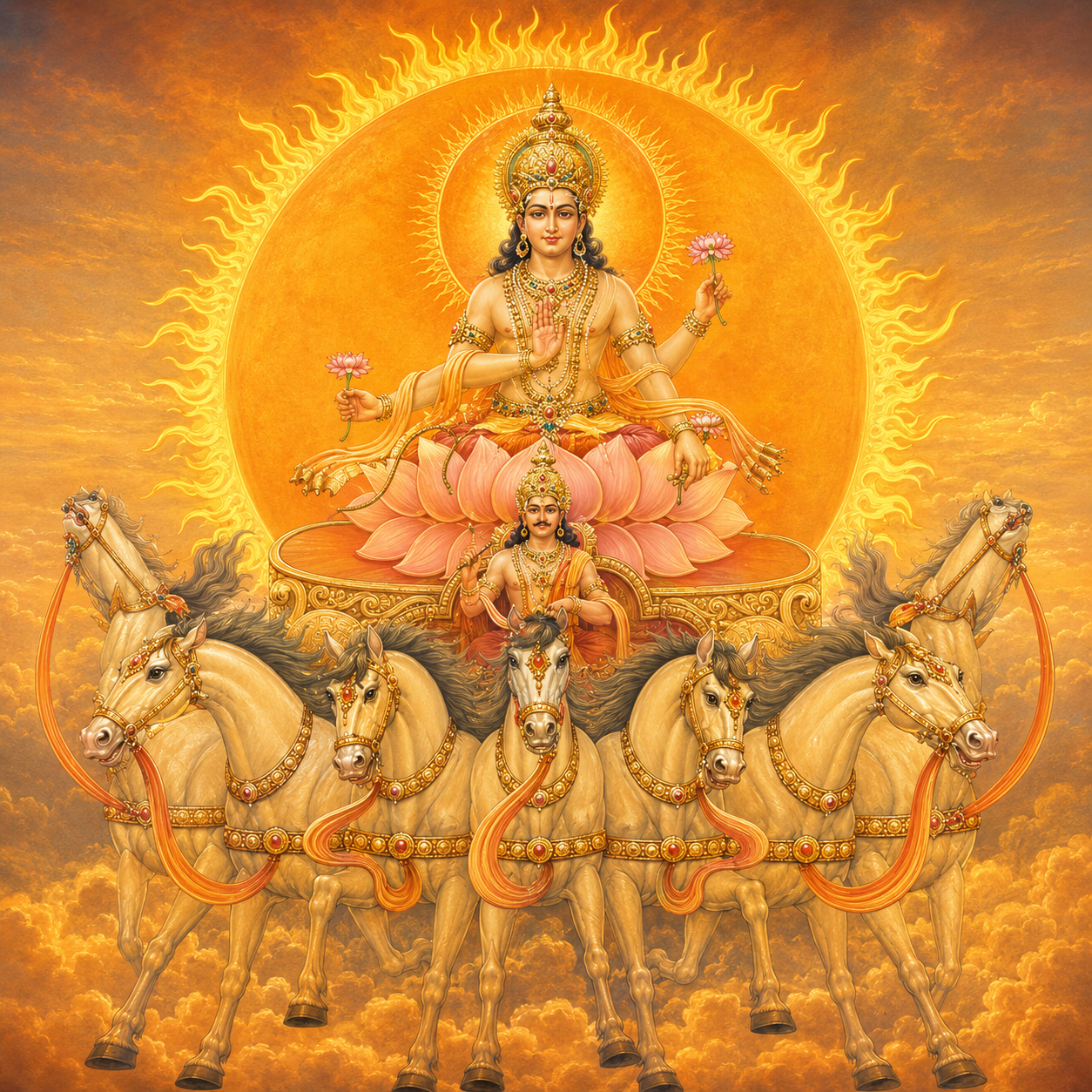
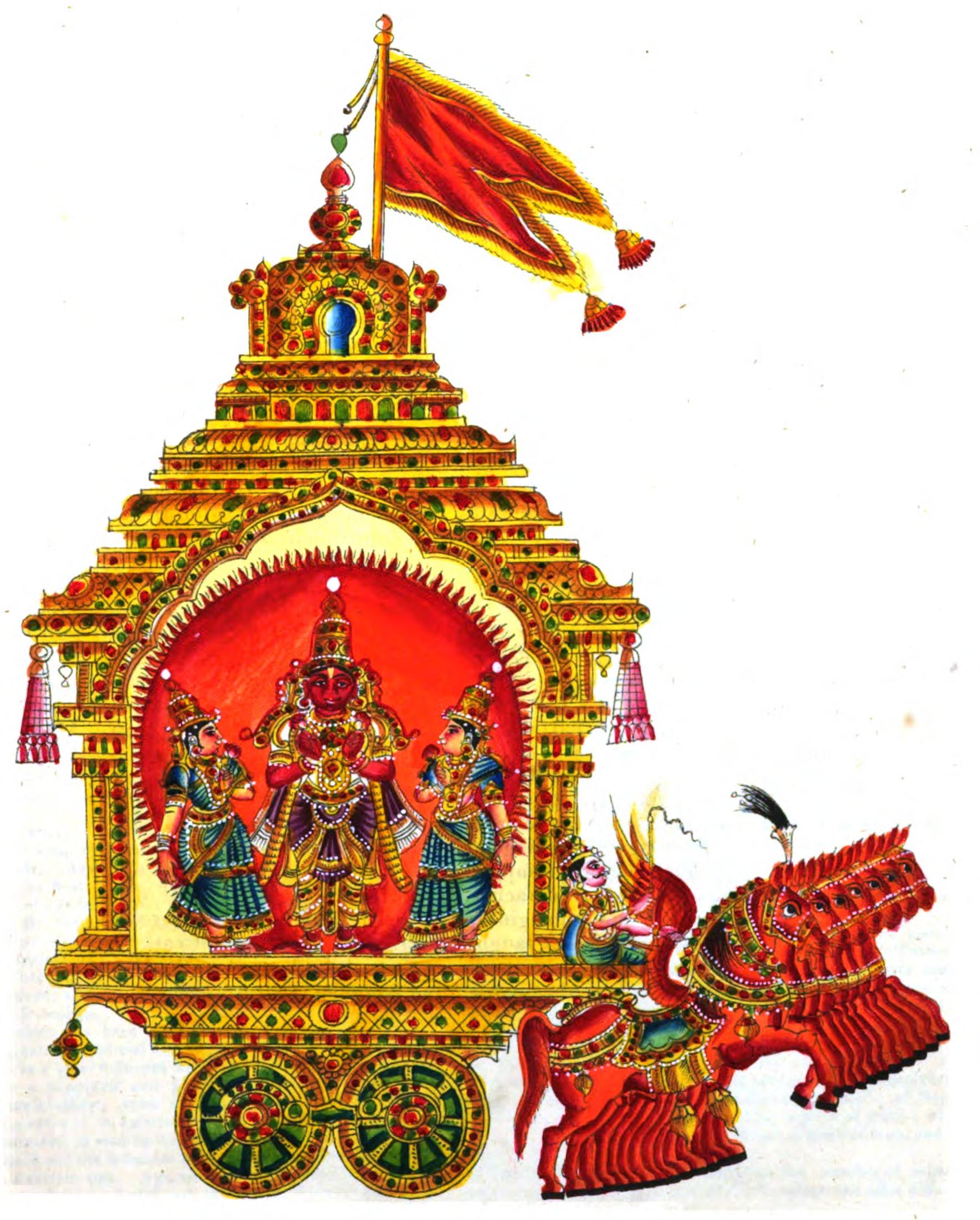
1. The Sun (Surya): Vitality and Heart Health

  • Governs the heart, spine, eyes, and general vitality.
  • Strong Sun indicates robust health, confidence, and immunity.
  • Weak or afflicted Sun may lead to heart ailments, weak eyesight, and low energy levels.
  • Remedies: Worshipping the Sun, offering water to the Sun in the morning, and consuming foods rich in Vitamin D.

2. The Moon (Chandra): Mental and Emotional Well-being

  • Governs the mind, emotions, fluids in the body, digestive system, and menstrual cycle.
  • A strong Moon ensures emotional stability, good digestion, and hormonal balance.
  • A weak Moon may cause depression, anxiety, hormonal imbalances, and digestive disorders.
  • Remedies: Chanting ‘Om Somaya Namah,’ wearing pearls, and practicing meditation.

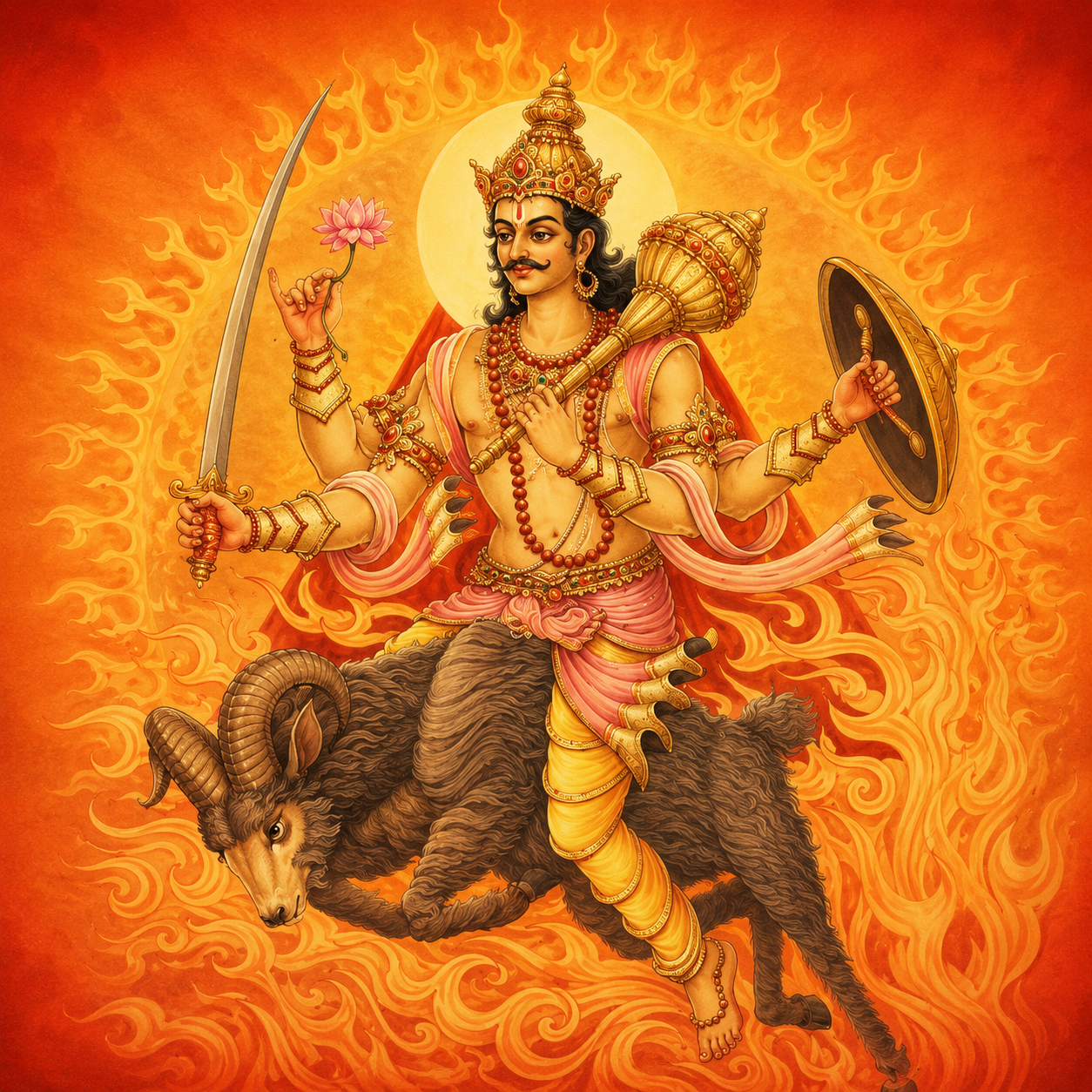
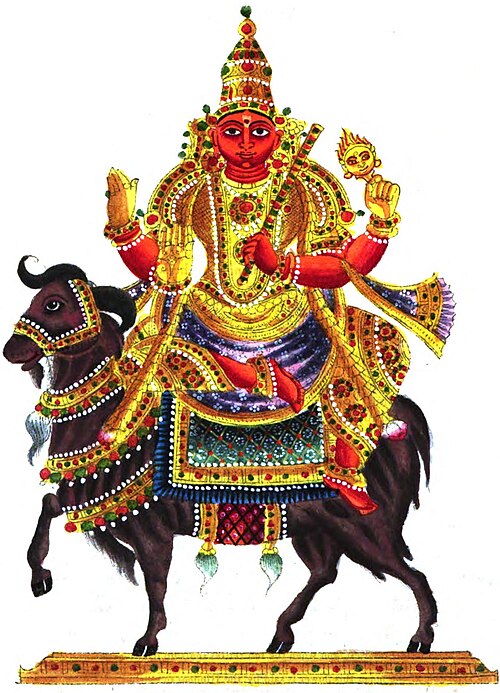
3. Mars (Mangal): Blood and Muscular Strength

  • Governs blood circulation, muscles, bone marrow, and accidents.
  • A strong Mars bestows strength, stamina, and a proactive nature.
  • An afflicted Mars may cause injuries, surgeries, inflammation, or high blood pressure.
  • Remedies: Chanting Hanuman Chalisa, donating red lentils, and practicing yoga to channel excess energy.

4. Mercury (Budh): Nervous System and Communication

  • Governs the nervous system, lungs, speech, and skin.
  • A strong Mercury enhances mental agility, communication skills, and immunity.
  • A weak Mercury may cause nervous disorders, skin issues, respiratory problems, and speech impediments.
  • Remedies: Consuming green leafy vegetables, practicing pranayama, and wearing emerald gemstones.

5. Jupiter (Guru): Liver and Growth

  • Governs the liver, pancreas, obesity, and spiritual growth.
  • A strong Jupiter promotes good digestion, wisdom, and expansion.
  • A weak Jupiter may lead to diabetes, obesity, liver issues, and hormonal imbalances.
  • Remedies: Chanting Guru Beej Mantra, donating yellow foods, and consuming turmeric.

6. Venus (Shukra): Reproductive System and Beauty

  • Governs the kidneys, reproductive organs, skin, and hormonal balance.
  • A strong Venus enhances beauty, charm, fertility, and artistic expression.
  • A weak Venus may lead to infertility, kidney diseases, skin problems, or hormonal issues.
  • Remedies: Chanting ‘Om Shukraya Namah,’ wearing diamonds, and consuming dairy products.

7. Saturn (Shani): Bones, Joints, and Longevity

  • Governs bones, joints, chronic illnesses, and aging.
  • A strong Saturn grants discipline, endurance, and longevity.
  • A weak or afflicted Saturn may cause arthritis, bone fractures, joint pains, or neurological issues.
  • Remedies: Chanting ‘Om Shanicharaya Namah,’ donating black sesame seeds, and following a disciplined lifestyle.

8. Rahu and Ketu: Karmic Health Influences

  • Rahu governs addictions, mental instability, and mysterious diseases.
  • Ketu governs immunity, spiritual detachment, and sudden illnesses.
  • Remedies: Chanting ‘Om Rahave Namah’ and ‘Om Ketave Namah,’ performing ancestral pujas, and practicing fasting.

Zodiac Signs and Their Health Associations

Each zodiac sign is associated with specific body parts and health issues.

  • Aries: Head, brain, and face—prone to headaches and migraines.
  • Taurus: Throat, neck, and thyroid—issues with tonsils and vocal cords.
  • Gemini: Arms, shoulders, lungs—prone to respiratory issues.
  • Cancer: Chest, stomach, digestive system—prone to gastric troubles.
  • Leo: Heart, spine, and circulation—risk of heart diseases.
  • Virgo: Abdomen, intestines—prone to digestive disorders.
  • Libra: Kidneys, lower back—susceptible to urinary infections.
  • Scorpio: Reproductive system—prone to menstrual and prostate issues.
  • Sagittarius: Hips, thighs, liver—issues with weight and liver function.
  • Capricorn: Bones, joints, skin—prone to arthritis and skin conditions.
  • Aquarius: Ankles, circulatory system—prone to varicose veins.
  • Pisces: Feet, lymphatic system—susceptible to swelling and immunity issues.

How to Use Medical Astrology for Better Health

  1. Analyzing the Sixth House: The 6th house in a birth chart indicates diseases, diet, and general health.
  2. Identifying Weak Planets: Strengthening weak planets with remedies like gemstones, mantras, and donations.
  3. Following Planetary Transits: Understanding current planetary influences on health.
  4. Using Ayurvedic and Vedic Remedies: Practicing herbal remedies, meditation, and yoga based on planetary placements.
  5. Observing Dasha Periods: Analyzing planetary periods that may trigger health challenges.

Conclusion

Medical astrology provides profound insights into health and well-being by linking planetary influences with the human body. By understanding one’s astrological chart, implementing remedies, and following planetary guidance, individuals can achieve better physical and mental health. While astrology is not a replacement for medical science, it serves as a complementary tool to enhance overall well-being.

Jaya Ekadashi: The Divine Key to Overcoming Sins and Attaining Moksha

Introduction to Jaya Ekadashi

Jaya Ekadashi is one of the most significant and spiritually uplifting Ekadashis in the Hindu calendar. Observed on the 11th day (Ekadashi) of the Shukla Paksha (waxing phase of the Moon) in the month of Magha (January-February), this sacred day is dedicated to Lord Vishnu. It is believed that fasting and performing devotional activities on Jaya Ekadashi can destroy past sins, remove obstacles, and grant liberation (moksha).

This Ekadashi holds special significance as it is mentioned in the Padma Purana and Bhavishya Purana, where Lord Krishna explains its greatness to King Yudhishthira. Devotees observe a strict fast, engage in kirtans (devotional songs), and chant Vishnu mantras to receive divine blessings.

Significance of Jaya Ekadashi

Jaya Ekadashi is revered for its powerful spiritual and karmic benefits:

  1. Freedom from Past Sins (Papa Vinashini) – It is said that observing Jaya Ekadashi removes the sins of past and present lives, allowing one to progress on the path of dharma.
  2. Liberation from Ghostly Existence (Preta Yoni Mukti) – Scriptures state that those suffering from restless afterlives due to bad karma can be freed by observing this Ekadashi.
  3. Attaining Moksha (Salvation) – Devotees who observe this fast with sincerity are granted Vaikuntha Dham, the abode of Lord Vishnu.
  4. Victory over Negativity – The word ‘Jaya’ means victory, signifying that this day helps in overcoming inner weaknesses, fears, and negative karmic influences.
  5. Enhancing Spiritual Growth – It is an ideal day to meditate, chant Vishnu Sahasranama, and engage in spiritual discussions to deepen one’s devotion.

Jaya Ekadashi Vrat Katha (Legend)

According to the Padma Purana, there was a divine event linked to Jaya Ekadashi:

Once, in the heavenly abode of Indra, the king of the gods, a grand festival was taking place. A celestial musician (Gandharva) named Malyavan and his consort Pushpavati were present. Overcome by desire, Malyavan got distracted and failed to perform his duties properly. As a result, Indra became enraged and cursed them to be born as ghosts (Preta Yoni) on Earth.

After suffering greatly in their ghostly forms, they unknowingly observed Jaya Ekadashi fasting with devotion. Due to the power of their penance and the grace of Lord Vishnu, they were liberated from their cursed existence and restored to their divine forms.

This story highlights the immense power of Jaya Ekadashi in removing suffering and bestowing divine grace.

Rituals and Observances of Jaya Ekadashi

1. Fasting (Upavas) and Diet Guidelines

Fasting on Jaya Ekadashi is highly beneficial for physical, mental, and spiritual purification. The fast can be observed in different ways:

  • Nirjala Ekadashi – No food or water for the entire day.
  • Phalahar Ekadashi – Consuming fruits, milk, and nuts.
  • Satvik Bhojan – Eating light, non-grain vegetarian food once a day before sunset.

Foods to avoid: Rice, wheat, pulses, onions, garlic, and alcohol.

2. Puja and Worship of Lord Vishnu

  • Wake up early and take a holy bath in a sacred river or at home.
  • Offer prayers to Lord Vishnu with tulsi leaves, sandalwood, flowers, incense, and lamps.
  • Chant Om Namo Bhagavate Vasudevaya and recite Vishnu Sahasranama.
  • Perform aarti and read the Jaya Ekadashi Vrat Katha.
  • Stay awake at night (Jagran) by singing devotional songs and bhajans.

3. Charity (Daan-Punya)

Donating to the needy on Jaya Ekadashi is highly auspicious. Giving food, clothes, blankets, and dakshina (money) to Brahmins or the poor enhances the benefits of the fast.

4. Meditation and Mantra Chanting

Reciting Lord Vishnu’s mantras increases spiritual energy and devotion:

🔹 Vishnu Mantra: “Om Namo Narayanaya”
🔹 Moksha Mantra: “Om Vasudevaya Namah”
🔹 Ekadashi Stotra (prayers dedicated to the importance of Ekadashi)

Astrological Importance of Jaya Ekadashi

From an astrological perspective, Jaya Ekadashi is considered a highly powerful day due to:

  • The Moon’s high energy, which enhances spiritual vibrations.
  • Alignment with Makara Rashi (Capricorn), strengthening discipline and karma cleansing.
  • The opportunity to balance past karmas, improve relationships, and remove planetary afflictions.

Remedies for Different Zodiac Signs

  • Aries & Leo – Offer red flowers to Lord Vishnu for success.
  • Taurus & Libra – Chant Vishnu Sahasranama for peace in relationships.
  • Gemini & Virgo – Donate sesame seeds for spiritual growth.
  • Cancer & Scorpio – Offer milk to Lord Vishnu for emotional balance.
  • Sagittarius & Pisces – Read Bhagavad Gita for wisdom.
  • Capricorn & Aquarius – Perform Satyanarayan Puja for career success.

Scientific and Spiritual Benefits of Fasting on Jaya Ekadashi

Fasting is not just a religious ritual but also has scientific benefits:

Detoxification – Helps cleanse the digestive system.
Mental Clarity – Enhances focus and reduces stress.
Spiritual Growth – Connects one with higher energies.
Increases Willpower – Strengthens self-control and discipline.

Jaya Ekadashi in Different Regions

Different states in India celebrate Jaya Ekadashi with unique traditions:

  • North India – Grand Vishnu pujas in temples like Banke Bihari (Vrindavan) and Jagannath Puri (Odisha).
  • Maharashtra – Special bhajans in Pandharpur (Vithoba Temple).
  • South India – Observed with devotion at Ranganatha Swamy Temples (Tamil Nadu & Karnataka).
  • Gujarat & Rajasthan – Recitation of Bhagavad Gita and Vishnu Stotras.

Conclusion: Why Observe Jaya Ekadashi?

Jaya Ekadashi is not just a religious festival but a powerful day for spiritual transformation, karma cleansing, and divine blessings. Observing this Ekadashi with faith can remove negativity, bring prosperity, and lead one toward liberation (moksha).

May Lord Vishnu bless you on this sacred day! 🙏 नमो नारायणाय!

Magha Purnima: A Sacred Gateway to Spiritual Awakening and Divine Blessings

Magha Purnima, the full moon day in the auspicious month of Magha, holds immense significance in Hinduism, Jainism, and Buddhism. This celestial event is considered a powerful time for spiritual growth, self-purification, and seeking divine blessings. Observed with sacred rituals, fasting, and holy dips in rivers, Magha Purnima is believed to cleanse sins and bestow moksha (liberation).

Significance of Magha Purnima

Magha Purnima falls in the Hindu month of Magha (January-February), when the Sun is in Capricorn (Makara Rashi). This period is considered highly auspicious, as it aligns with the divine energy of the cosmos. Devotees believe that taking a dip in the sacred rivers during this time, especially in the Ganges, Yamuna, or Sangam (Allahabad), grants them spiritual merit (Punya) and washes away past karmas.

In Vedic astrology, the Moon on Magha Purnima is at its peak power, radiating divine vibrations that enhance meditation, charity, and spiritual practices. This day also marks the conclusion of the month-long Magha Snan, where devotees bathe in holy waters every morning before sunrise.

Spiritual and Mythological Relevance

Magha Purnima has deep-rooted connections with various mythological and religious beliefs:

  1. Association with Lord Vishnu – It is believed that Lord Vishnu resides in the sacred rivers during this period. Devotees perform Vishnu puja and chant Vishnu Sahasranama to receive His divine blessings.
  2. Buddha’s Teachings – In Buddhist traditions, Magha Purnima marks an important event where Lord Buddha preached the Ovāda Pāṭimokkha, a fundamental discourse on monastic discipline.
  3. Importance in Jainism – Jain followers observe special rituals and prayers, as it is believed to be a favorable time for achieving spiritual wisdom and self-discipline.
  4. The Samudra Manthan Connection – Some scriptures state that the celestial nectar (Amrit) from the churning of the cosmic ocean (Samudra Manthan) was distributed among the gods during this period, making this full moon highly sacred.

Rituals and Traditions of Magha Purnima

1. Holy Bath (Magha Snan)

The most prominent ritual of Magha Purnima is taking a dip in holy rivers, especially at Triveni Sangam in Prayagraj, Haridwar, Varanasi, and other sacred sites. It is believed that this act removes negative karma, brings prosperity, and fulfills desires.

2. Fasting and Pujas

Devotees observe a strict fast, consuming only satvik (pure) food or practicing Nirjala (waterless) fasting. Special prayers and havans (fire rituals) dedicated to Lord Vishnu, Lord Shiva, and Goddess Lakshmi are performed for spiritual upliftment.

3. Tarpan and Pitru Puja

Many people perform Tarpan (offering water to ancestors) and Pitru Puja (ancestral worship) to seek blessings from their forefathers and help their souls attain peace.

4. Dana-Punya (Charity)

Donating food, clothes, blankets, and essentials to the poor and Brahmins on Magha Purnima is highly meritorious. Many devotees offer sesame seeds (til daan), food grains, and cows to Brahmins as part of their spiritual duties.

5. Recitation of Sacred Texts

Reading and chanting holy scriptures like Bhagavad Gita, Vishnu Sahasranama, Shiva Purana, and Magha Mahatmya is considered auspicious. These scriptures emphasize the importance of dharma, karma, and devotion.

6. Special Kumbh Mela Connection

Magha Purnima is a significant bathing day in the Kumbh Mela, the grandest spiritual gathering held every 12 years at Prayagraj, Haridwar, Ujjain, and Nashik. Millions of saints, sages, and devotees take part in this divine event.

Astrological and Energetic Influences of Magha Purnima

From an astrological perspective, Magha Purnima is a powerful time for transformation. The Moon, ruling emotions and intuition, is fully illuminated, enhancing inner clarity and divine connection. It is an ideal time to:

  • Meditate and focus on spiritual sadhana
  • Set powerful intentions and manifestations
  • Strengthen relationships by expressing gratitude and forgiveness
  • Align with higher wisdom and cosmic consciousness

Many astrologers suggest performing remedies related to the Moon (Chandra), such as offering milk and white flowers to Lord Shiva, to balance emotional energies and increase mental peace.

Scientific and Environmental Aspects

Beyond religious significance, Magha Purnima also aligns with natural cycles:

  • Lunar Influence on Water: The full moon exerts a strong gravitational pull, affecting water bodies, tides, and even the human body, which is composed of about 70% water.
  • Climatic and Seasonal Shift: The transition from winter to spring begins during Magha, symbolizing renewal, vitality, and increased solar energy.

Magha Purnima Celebrations Across India

Different regions celebrate Magha Purnima with unique traditions:

  • Prayagraj, Uttar Pradesh – Grand holy dips at Triveni Sangam during the Magh Mela attract millions.
  • Varanasi, Uttar Pradesh – Special Ganga Aarti and Vishnu puja take place.
  • Odisha – Devotees offer prayers at Jagannath Puri and Konark Sun Temple.
  • Maharashtra – Nashik’s Godavari riverbanks witness large-scale rituals.
  • Tamil Nadu – Temples hold sacred Ratha Saptami celebrations close to this date.
  • Bihar and JharkhandMaghi Purnima Snan is a major event in Ganga and Son riverbanks.

Conclusion: Harnessing the Power of Magha Purnima

Magha Purnima is not just a religious festival but a cosmic opportunity for purification, devotion, and self-realization. It teaches the values of charity, discipline, and spiritual wisdom while helping devotees align with divine cosmic energies. Whether through fasting, river baths, meditation, or prayers, observing Magha Purnima with sincerity can bring profound transformation and blessings into one’s life.

May this sacred Purnima illuminate your path and lead you towards inner peace and spiritual fulfillment! नमो नारायणाय!

Mouni Amavasya: The Sacred Silence and Spiritual Awakening

Introduction Mouni Amavasya is a significant and auspicious day in Hindu traditions, observed on the no-moon day (Amavasya) of the Magha month as per the Hindu calendar. It is a day dedicated to silence (mauna), self-discipline, and spiritual reflection. This sacred occasion is deeply associated with meditation, fasting, and taking a holy dip in sacred rivers, especially in the Ganga. It is believed that on this day, the waters of the holy rivers are imbued with divine energy, offering immense spiritual benefits to devotees.

In 2025, Mouni Amavasya falls on January 29, marking a spiritually potent time for seekers to purify their minds and souls through silence and devotion.


The Significance of Mouni Amavasya

The word “Mouni” is derived from “Mauna,” meaning silence. The practice of observing silence on this day is considered a powerful means of conserving and channelizing one’s energy towards higher spiritual realms. According to ancient Hindu texts, silence is a medium through which one can connect with the divine and attain self-realization.

Mouni Amavasya is also associated with the planetary alignments that enhance spiritual vibrations on Earth. The alignment of celestial bodies makes this day highly beneficial for practicing meditation, chanting, and self-introspection. It is believed that saints and sages in ancient times observed complete silence to strengthen their inner consciousness and seek enlightenment.

Additionally, this day marks the beginning of the Kumbh Mela when it falls in specific years, drawing millions of devotees to the sacred rivers for ritual baths.


Rituals and Observances of Mouni Amavasya

Devotees observe Mouni Amavasya through various spiritual and religious practices that enhance mental clarity and bring peace. Here are the main rituals associated with this auspicious day:

1. Observing Silence (Mauna Vrat)

  • The most significant aspect of Mouni Amavasya is observing a vow of silence (Mauna Vrat).
  • Many devotees choose to remain silent throughout the day to enhance their inner strength and self-awareness.
  • The silence is believed to help in mental purification, reducing unnecessary thoughts and speech that may lead to negative karma.

2. Holy Bath in Sacred Rivers

  • Taking a dip in sacred rivers, especially the Ganga, Yamuna, Saraswati, and other holy waters, is considered highly auspicious.
  • It is believed that bathing in these rivers on Mouni Amavasya washes away sins and grants spiritual liberation (Moksha).
  • In places like Prayagraj (Allahabad), Haridwar, Varanasi, and Ujjain, thousands of devotees gather to participate in this sacred ritual.

3. Charity and Donation (Daan-Punya)

  • Offering food, clothes, and other essentials to the poor and needy is an important aspect of this day.
  • Donating black sesame seeds, food grains, and cow feed is considered highly meritorious.
  • Feeding Brahmins and offering water to the ancestors (Pitra Tarpan) is performed to seek blessings from the departed souls.

4. Fasting (Upvas)

  • Many devotees observe a strict fast, consuming only water or fruits throughout the day.
  • Some choose to break their fast after sunset with simple satvik (pure) food.
  • Fasting is believed to cleanse the body and mind, making one more receptive to divine energy.

5. Worship and Chanting Mantras

  • Devotees worship Lord Shiva, Lord Vishnu, and their Kul Devtas (family deities) on this day.
  • Chanting of sacred mantras like “Om Namah Shivaya”, Gayatri Mantra, and Maha Mrityunjaya Mantra enhances the spiritual vibrations.
  • Lighting a diya (lamp) with sesame oil is considered beneficial in dispelling negative energies.

Spiritual Benefits of Observing Mouni Amavasya

1. Enhancing Spiritual Growth

Practicing silence and engaging in spiritual activities helps deepen meditation and self-awareness, bringing one closer to their higher self.

2. Purification of Mind and Soul

The day is an opportunity to detoxify one’s mind from unnecessary thoughts and distractions, leading to inner peace.

3. Gaining Divine Blessings

Performing rituals with devotion and sincerity is said to bring divine blessings, fulfilling desires and removing obstacles in life.

4. Ancestral Blessings (Pitra Dosh Nivaran)

Performing tarpan and charity on this day is believed to help ancestors attain peace and remove Pitra Dosh (ancestral karmic debts) from one’s lineage.

5. Karma Cleansing and Protection from Negativity

Bathing in sacred rivers and engaging in selfless acts of kindness help wash away past sins, paving the way for positive karma.


Astrological Importance of Mouni Amavasya

From an astrological perspective, Amavasya is a day when the Sun and Moon are in the same zodiac sign, leading to a unique cosmic energy field. Mouni Amavasya, occurring in the month of Magha, holds extra significance because:

  • The Sun is generally in Capricorn (Makara Rashi), ruled by Saturn (Shani), bringing lessons of discipline and karma.
  • The Moon, representing the mind and emotions, is in a delicate position, making it an ideal time for introspection.
  • The energies of this day are powerful for removing negative influences, strengthening spiritual practices, and seeking divine intervention in life challenges.

Astrologers often recommend:

  • Chanting Hanuman Chalisa to mitigate Shani (Saturn) afflictions.
  • Offering water to the Sun God (Surya Arghya) for vitality and success.
  • Performing Rudrabhishek for peace and prosperity.

Mouni Amavasya and the Kumbh Mela Connection

Mouni Amavasya is considered one of the most important bathing days during the Kumbh Mela, a grand spiritual gathering that occurs every 12 years at Prayagraj, Haridwar, Nashik, and Ujjain. During the Kumbh Mela, millions of devotees, including saints and ascetics, gather to take a dip in the holy rivers, believing it to be a path to salvation (Moksha).

When Mouni Amavasya coincides with the Kumbh Mela, it is called Maha Snan (Great Bath) and is regarded as the most auspicious bathing day of the festival.


Conclusion

Mouni Amavasya is a day of immense spiritual significance that encourages introspection, self-discipline, and devotion. By observing silence, performing rituals, and engaging in acts of charity, one can harness the divine energy of this sacred day and progress on their spiritual journey. Whether through fasting, mantra chanting, or ancestral offerings, the observances of Mouni Amavasya bring immense blessings and help in cleansing past karmas.

As this auspicious day approaches, let us embrace the power of silence and self-reflection to experience inner peace and divine grace. May the blessings of the cosmos guide us toward a life of wisdom, purity, and spiritual fulfillment. Om Shanti!

Sakambari Purnima: A Celebration of Nature and Nourishment

Sakambari Purnima, a sacred festival observed with reverence in various parts of India, is dedicated to Goddess Sakambari, a manifestation of Goddess Durga. Known as the goddess of vegetation, she is revered for her nurturing aspect, providing nourishment and sustenance to all living beings. This auspicious day falls on the full moon of the Pausha month (December-January) according to the Hindu lunar calendar, marking the conclusion of the Navratri dedicated to Sakambari Devi.

In this blog, we delve into the significance, rituals, mythology, and cultural impact of Sakambari Purnima, exploring how this festival celebrates the harmonious relationship between humans and nature.

The Significance of Sakambari Purnima

1. The Nurturer of Life

Goddess Sakambari is considered the divine embodiment of nature’s abundance. Her name is derived from the Sanskrit words “Shaaka” (vegetables) and “Ambari” (one who wears or bears). She symbolizes the nourishment provided by the earth through fruits, vegetables, and plants, emphasizing the importance of living in harmony with nature.

2. A Festival of Gratitude

Sakambari Purnima is a time for expressing gratitude to the goddess for ensuring the availability of food and resources. In a world increasingly affected by environmental challenges, the festival reminds us of the need for sustainable living and respect for nature’s offerings.

3. Conclusion of the Sakambari Navratri

This day also marks the end of a nine-day period of devotion, fasting, and worship known as Sakambari Navratri. Devotees observe these nine days with rituals and prayers, culminating in grand festivities on Purnima.

Mythological Origins of Sakambari Devi

The story of Goddess Sakambari is recounted in the Devi Bhagavata Purana. According to the legend, the earth was once struck by a severe drought that lasted for over a hundred years. Rivers dried up, vegetation withered, and humanity faced the threat of extinction. Witnessing the suffering, the compassionate Goddess Durga incarnated as Sakambari Devi to alleviate the crisis.

The goddess meditated deeply and manifested various fruits, vegetables, and herbs from her body to nourish all beings. Her intervention revived the natural balance, ending the famine and restoring life to the earth. This tale underscores her role as a preserver and provider, emphasizing the interconnectedness of life and the environment.

Rituals and Practices of Sakambari Purnima

1. Early Morning Ablutions

Devotees begin the day with a ritual bath, considered purifying and auspicious. Bathing in holy rivers or water bodies, where possible, is believed to cleanse one’s soul and body.

2. Worship of Sakambari Devi

Special prayers and pujas are conducted in temples dedicated to the goddess, such as the famous Sakambari Devi Temple in Saharanpur, Uttar Pradesh. The idol of the goddess is adorned with fruits, vegetables, and green foliage, symbolizing her nurturing aspect.

3. Fasting and Offerings

Many devotees observe fasts as a form of devotion and discipline. Offerings of freshly harvested fruits and vegetables are made to the goddess, expressing gratitude for nature’s bounty. These offerings are later distributed as prasad, spreading the blessings of the goddess.

4. Community Feasts

Sakambari Purnima is often marked by communal gatherings and feasts, where people come together to share meals prepared from fresh produce. This practice highlights the importance of unity and sharing.

Regional Celebrations

1. Sakambari Devi Temple in Saharanpur

The Sakambari Devi Temple in Uttar Pradesh is a major center of worship during this festival. Thousands of devotees visit the temple to participate in the grand celebrations, which include elaborate rituals, cultural performances, and distribution of prasad.

2. South India’s Sakambari Navratri

In parts of South India, particularly Karnataka and Tamil Nadu, Sakambari Navratri is celebrated with great enthusiasm. Homes and temples are decorated with floral arrangements, and the goddess is venerated with devotion.

3. Rajasthan’s Shakambari Jatra

In Rajasthan, the festival takes on a unique form with the Shakambari Jatra, a procession that features the deity’s idol adorned with natural ornaments. The community comes together in vibrant celebrations, reflecting the local culture and traditions.

Symbolism and Relevance in Modern Times

1. Environmental Awareness

Sakambari Purnima serves as a reminder of our dependence on nature for survival. It urges humanity to adopt eco-friendly practices, reduce waste, and work towards environmental conservation.

2. Sustainable Living

The festival underscores the importance of sustainable agriculture and the need to prioritize organic and locally sourced produce. By venerating the goddess of vegetation, we acknowledge the value of healthy and natural living.

3. Gratitude for Abundance

In a world where food insecurity remains a challenge, Sakambari Purnima inspires us to appreciate and share the resources we have, fostering a spirit of gratitude and generosity.

Lessons from Sakambari Devi’s Tale

The story of Sakambari Devi teaches us several valuable lessons:

  • Compassion and Responsibility: Just as the goddess responded to the suffering of humanity, we too must show compassion and take responsibility for the well-being of others.
  • Balance with Nature: The goddess’ actions highlight the importance of maintaining ecological balance and respecting the natural world.
  • Selflessness: Her selfless act of providing nourishment teaches us to prioritize collective welfare over individual gain.

How to Celebrate Sakambari Purnima at Home

Even if you cannot visit temples or participate in large gatherings, you can observe Sakambari Purnima meaningfully at home:

  1. Set Up a Small Altar: Decorate your home altar with fresh fruits, vegetables, and flowers as offerings to the goddess.
  2. Chant Mantras: Recite prayers and mantras dedicated to Sakambari Devi, such as “Om Sakambari Devyai Namah.”
  3. Prepare Vegetarian Meals: Cook a meal using fresh produce and share it with family, friends, or those in need.
  4. Plant a Tree: Commemorate the festival by planting trees or starting a small vegetable garden, contributing to environmental sustainability.
  5. Reflect and Meditate: Spend time reflecting on the values of gratitude, compassion, and harmony with nature.

Conclusion

Sakambari Purnima is more than a religious observance; it is a celebration of life and nature’s boundless generosity. The festival reminds us to live harmoniously with our environment, cherish its gifts, and work towards a sustainable future. As we honor Goddess Sakambari’s legacy, let us embrace her teachings and strive to create a world where every being can thrive in abundance and peace.

By celebrating Sakambari Purnima, we not only pay homage to a compassionate goddess but also renew our commitment to nurturing and protecting the natural world. May her blessings inspire us to lead lives of purpose, gratitude, and harmony.

National Youth Day: Celebrating the Power and Potential of the Young Generation

Every year, on January 12th, India observes National Youth Day to honor the birth anniversary of Swami Vivekananda, a philosopher, spiritual leader, and youth icon. His teachings and vision continue to inspire millions of young minds, encouraging them to embrace their potential and contribute positively to society. This day is not just a celebration but also a reminder of the critical role youth play in shaping the future of a nation.

In this blog, we delve into the significance of National Youth Day, its history, the teachings of Swami Vivekananda, and how today’s youth can embrace his principles to create a better world.

The History and Significance of National Youth Day

The Government of India declared January 12th as National Youth Day in 1984, recognizing Swami Vivekananda’s immense contribution to India’s spiritual and cultural heritage. The decision was aimed at channeling the energy and enthusiasm of young people in alignment with Vivekananda’s ideals.

Swami Vivekananda believed in the boundless potential of the youth. He often emphasized the importance of courage, strength, and self-confidence. His message of unity, character-building, and service to humanity resonates strongly with the younger generation, making him an enduring symbol of inspiration.

Swami Vivekananda’s Vision for Youth

1. Belief in the Power of Youth

Vivekananda saw the youth as the driving force behind national progress. He famously said, “Arise, awake, and stop not till the goal is reached.” This call to action underscores his belief in the potential of young minds to overcome challenges and achieve greatness.

2. Education as the Key to Empowerment

He advocated for an education system that fosters character development, critical thinking, and practical skills. For Vivekananda, education was not just about acquiring knowledge but about building a strong moral foundation.

3. Service to Humanity

Vivekananda emphasized selfless service as a path to personal and societal growth. He urged the youth to dedicate themselves to uplifting the marginalized and contributing to the welfare of society.

4. Unity and Nationalism

At a time when India was under colonial rule, Vivekananda’s teachings promoted unity and pride in India’s cultural heritage. He believed that the youth could play a pivotal role in revitalizing the nation’s spirit.

National Youth Day Celebrations Across India

National Youth Day is celebrated with enthusiasm and fervor across schools, colleges, and communities. The day is marked by:

  • Cultural Programs: Dance, music, and drama performances inspired by Vivekananda’s life and teachings.
  • Seminars and Workshops: Discussions on youth empowerment, leadership, and social responsibility.
  • Competitions: Debates, essay writing, and quiz contests based on Vivekananda’s philosophy.
  • Youth Conclaves: Platforms where young leaders share ideas and initiatives to drive positive change.
  • Community Service: Activities like cleanliness drives, blood donation camps, and educational outreach programs.

Why National Youth Day Matters Today

In the 21st century, the world faces numerous challenges—from climate change and unemployment to mental health issues and social inequalities. The youth, with their energy, creativity, and adaptability, are uniquely positioned to address these problems.

1. Empowering Future Leaders

National Youth Day serves as a reminder that today’s young people are tomorrow’s leaders. By instilling values of responsibility, compassion, and resilience, we can prepare them to take on leadership roles in various fields.

2. Fostering Innovation and Creativity

Youth are at the forefront of technological advancements and creative solutions. Encouraging innovation through platforms like hackathons, start-up incubators, and research programs can lead to transformative changes.

3. Promoting Social Change

The younger generation has been instrumental in driving social movements, from climate activism to gender equality. National Youth Day highlights the importance of channeling this passion into constructive action.

4. Addressing Mental Health

The pressures of modern life—academic stress, career uncertainties, and social media influence—have taken a toll on youth mental health. National Youth Day is an opportunity to promote awareness and support systems for mental well-being.

How Youth Can Embrace Swami Vivekananda’s Teachings

1. Pursue Knowledge with Purpose

Rather than chasing superficial success, focus on acquiring knowledge that contributes to personal growth and societal betterment. Read extensively, question assumptions, and seek mentorship.

2. Build Strong Character

Integrity, discipline, and empathy are the cornerstones of a strong character. Live by your principles and inspire others through your actions.

3. Engage in Service

Volunteer for causes you care about, whether it’s teaching underprivileged children, participating in environmental initiatives, or supporting local communities.

4. Stay United

In a diverse country like India, unity is crucial. Embrace cultural differences and work towards common goals that benefit everyone.

5. Stay Resilient

Challenges are inevitable, but resilience is what determines success. Cultivate a positive mindset, and remember Vivekananda’s words: “You cannot believe in God until you believe in yourself.”

The Role of Society in Empowering Youth

While youth have immense potential, they need support and opportunities to thrive. Here’s how society can contribute:

1. Invest in Education

Quality education is the foundation of empowerment. Governments and institutions must prioritize accessible, inclusive, and holistic education systems.

2. Provide Platforms for Expression

Platforms that allow young voices to be heard—whether through art, technology, or activism—can amplify their impact.

3. Encourage Mentorship

Experienced individuals can guide youth in navigating challenges and making informed decisions.

4. Promote Mental Health Awareness

Creating safe spaces for dialogue and providing mental health resources is crucial for fostering emotional well-being.

5. Support Entrepreneurship

By encouraging start-ups and small businesses, society can harness the entrepreneurial spirit of young people.

Stories of Inspiring Young Achievers

National Youth Day is also a time to celebrate young achievers who embody Vivekananda’s ideals. From social entrepreneurs to environmentalists, countless individuals are making a difference.

Example 1: Greta Thunberg

The Swedish climate activist has inspired millions to demand action against climate change, proving that age is no barrier to leadership.

Example 2: Malala Yousafzai

The youngest Nobel laureate, Malala’s advocacy for girls’ education is a testament to courage and determination.

Example 3: Indian Youth Start-Ups

Initiatives like Byju’s, Ola, and Zerodha, led by young Indian entrepreneurs, showcase innovation and resilience.

Conclusion: The Path Ahead

National Youth Day is more than a celebration; it’s a call to action. As we honor Swami Vivekananda’s legacy, let us commit to empowering the youth to lead with purpose, compassion, and creativity. By fostering an environment of growth and support, we can ensure that the younger generation fulfills their potential and contributes to building a better world.

In the words of Swami Vivekananda, “Take up one idea. Make that one idea your life—think of it, dream of it, live on that idea. Let the brain, muscles, nerves, every part of your body, be full of that idea, and just leave every other idea alone. This is the way to success.” May this National Youth Day inspire us all to dream big and work tirelessly toward a brighter future.

How Vastu Enhances Health and Well-being Through Kitchen Appliances

The kitchen is often regarded as the heart of the home, where meals are prepared, and energy is nourished. According to Vastu Shastra—the ancient Indian architectural science—the kitchen plays a crucial role in influencing health, prosperity, and overall well-being. Beyond layout and design, the placement and orientation of kitchen appliances hold significant importance. In this blog, we explore how incorporating Vastu principles for kitchen appliances can positively impact your health and well-being.

The Importance of the Kitchen in Vastu

In Vastu Shastra, the kitchen is associated with the fire element (“Agni”), symbolizing transformation and energy. The proper alignment and positioning of appliances ensure that this energy is balanced, fostering good health and harmony. Misplaced appliances or improper layouts, however, can lead to physical, mental, and emotional imbalances.

Ideal Kitchen Placement and Orientation

Before diving into specific appliances, it’s essential to understand the ideal placement of the kitchen itself. According to Vastu:

  • Best Direction for the Kitchen: The southeast corner is considered the best location for a kitchen, as it aligns with the fire element.
  • Alternative Direction: If the southeast is unavailable, the northwest corner is the second-best option. However, adjustments should be made to balance energies.
  • Avoid the Northeast: Placing the kitchen in the northeast can disrupt the water element, leading to health issues and financial challenges.

Kitchen Appliances and Their Vastu Alignment

Each kitchen appliance has its own energy signature. Proper placement of these appliances ensures harmony and promotes health and well-being.

1. Stove (Gas or Electric)

  • Significance in Vastu: The stove represents the fire element and is the most critical appliance in the kitchen.
  • Ideal Placement: Place the stove in the southeast corner of the kitchen. The cook should face east while cooking, as this direction enhances vitality and positivity.
  • Avoid: Do not place the stove directly under a window or next to the sink, as water and fire elements clash, leading to discord.

2. Refrigerator

  • Significance in Vastu: The refrigerator symbolizes preservation and storage of nourishment.
  • Ideal Placement: Position the refrigerator in the southwest, west, or northwest direction. These directions enhance stability and ensure a continuous supply of food.
  • Avoid: Placing the refrigerator in the northeast or directly facing the stove can create energetic imbalances, leading to health issues.

3. Microwave and Oven

  • Significance in Vastu: These appliances also represent the fire element due to their heating functions.
  • Ideal Placement: Place the microwave and oven in the southeast direction, alongside the stove.
  • Avoid: Do not position them in the northeast or directly opposite the refrigerator, as this creates conflicting energies.

4. Sink and Water Purifier

  • Significance in Vastu: These represent the water element, crucial for cleansing and hydration.
  • Ideal Placement: Install the sink and water purifier in the northeast or north direction. This placement balances the water element with the fire element in the southeast.
  • Avoid: Placing the sink near the stove can disrupt the harmony between fire and water elements.

5. Dishwasher

  • Significance in Vastu: Like the sink, the dishwasher is linked to the water element.
  • Ideal Placement: Place the dishwasher in the northwest direction, away from the stove.
  • Avoid: Do not position it in the southeast or directly next to the stove.

6. Exhaust Fan and Chimney

  • Significance in Vastu: These appliances help purify the air by removing smoke and odors, ensuring a fresh environment.
  • Ideal Placement: Install the exhaust fan or chimney in the east or southeast direction.
  • Avoid: Avoid placing them in the northeast, as this disrupts the natural flow of air.

7. Storage Units and Cabinets

  • Significance in Vastu: Storage units symbolize abundance and organization.
  • Ideal Placement: Place heavy storage cabinets in the southwest or south direction to maintain stability. Use the northeast for lighter items.
  • Avoid: Avoid cluttering the northeast, as it should remain open and light to attract positive energy.

Vastu Tips for a Harmonious Kitchen

Apart from appliance placement, consider these general Vastu tips for maintaining health and well-being through your kitchen:

  1. Keep the Kitchen Clean and Organized
    • Clutter and disorganization create stagnant energy, which can affect health. Regularly clean appliances and countertops.
  2. Use Bright Colors
    • Opt for vibrant and soothing colors like yellow, orange, or green for walls and decor. Avoid dark shades like black or grey.
  3. Avoid Overcrowding
    • Maintain adequate space between appliances to allow energy to flow freely.
  4. Light It Up
    • Ensure proper lighting in the kitchen, as darkness can lead to lethargy and negative energy.
  5. Regular Maintenance of Appliances
    • Malfunctioning appliances can create negative energy. Keep them in good working condition.
  6. Decorate with Plants
    • Add indoor plants like basil or mint near windows to enhance freshness and positivity.

Health Benefits of Vastu-Compliant Kitchens

Implementing Vastu principles in your kitchen and appliance placement can lead to several health and well-being benefits:

  • Improved Digestion: Proper stove placement enhances the flow of positive energy, aiding digestion and metabolism.
  • Stress Reduction: A harmonious kitchen layout reduces stress and promotes mental clarity.
  • Increased Vitality: Balanced energy elements in the kitchen uplift the overall mood and vitality of the household.
  • Disease Prevention: Avoiding energetic clashes between fire and water elements minimizes the risk of chronic health issues.

Real-Life Example: Transforming a Kitchen with Vastu

A family struggling with health issues and frequent conflicts consulted a Vastu expert to redesign their kitchen. The expert found:

  • The stove was in the northwest, creating disharmony.
  • The refrigerator faced the stove, leading to energy clashes.
  • The sink and stove were adjacent, disrupting the fire-water balance.

By relocating the stove to the southeast, the refrigerator to the southwest, and the sink to the northeast, the family noticed improvements in health, relationships, and overall well-being within weeks.

Conclusion

Your kitchen is more than a place to cook; it is a space that influences your health and well-being through its energy dynamics. By aligning kitchen appliances with Vastu principles, you can harness the positive energies of the fire and water elements, ensuring balance, harmony, and vitality in your life. Whether you’re designing a new kitchen or reorganizing an existing one, these simple adjustments can make a profound difference in your quality of life.

X
Book an appointment @ ₹199
Book an Appointment @ ₹199