Mokshada Ekadashi: The Path to Liberation

Mokshada Ekadashi is one of the most significant and spiritually enriching days in the Hindu calendar. Observed on the Ekadashi (11th day) of the Margashirsha month, which falls on Wednesday, December 11, 2024, this Ekadashi holds a special place in the hearts of devotees for its connection to Moksha (liberation) and the divine blessings of Lord Vishnu.

In Hinduism, Ekadashi is the day dedicated to fasting, prayer, and devotion to Lord Vishnu, where followers seek spiritual purification and liberation from the cycle of birth and death. Mokshada Ekadashi specifically is believed to provide immense spiritual merit and is considered one of the most auspicious days to engage in acts of devotion, prayer, and charity. It is said that observing the fast with sincerity and devotion can bring the ultimate gift of moksha, breaking free from the endless cycle of birth, death, and rebirth.


The Spiritual Significance of Mokshada Ekadashi

Mokshada Ekadashi is believed to be a day when the divine blessings of Lord Vishnu are at their peak. According to Hindu scriptures, the observance of this Ekadashi has the power to cleanse the soul and remove all sins from the devotee’s past lives. The day holds particular importance for those seeking spiritual growth, and it is believed that by observing a fast on Mokshada Ekadashi, one can attain the highest spiritual goalmoksha.

The word “Mokshada” means “giver of liberation,” and this Ekadashi is considered the gateway to ultimate freedom and peace. Mokshada Ekadashi is also known as the day when Lord Krishna imparted spiritual wisdom to King Yudhishthira, as narrated in the Bhavishya Purana. The king, seeking answers to life’s greatest questions, was blessed by Lord Krishna, who explained the importance of fasting on Ekadashi and the immense benefits it brings.

This day is not only about personal growth and spiritual liberation but also about helping others. It is a day to contribute to the welfare of others, as charity and acts of kindness done on this day are believed to multiply in merit and bring positive karma.


The Story Behind Mokshada Ekadashi

The origin of Mokshada Ekadashi is linked to a legend in the Mahabharata. It is said that on this auspicious day, Lord Krishna narrated the importance of Ekadashi fasting to Yudhishthira, the eldest Pandava, during the Kurukshetra war. At that time, Yudhishthira was concerned about the consequences of the great war, and he asked Lord Krishna about the significance of fasting on Ekadashi and its benefits.

Lord Krishna explained that Ekadashi fasting is an ancient tradition, and those who observe it with devotion will be freed from the sins accumulated over many lifetimes. He further revealed that fasting on Mokshada Ekadashi would not only purify the soul but would also pave the way for moksha (liberation from the cycle of birth and death).

In response to the king’s inquiry, Lord Krishna elaborated on the spiritual benefits of observing this day, stating that even the most sinful soul can attain liberation through sincere fasting and devotion. The significance of Mokshada Ekadashi is deeply ingrained in this conversation, as it offers the opportunity for redemption and spiritual transformation.


Rituals and Traditions of Mokshada Ekadashi

The rituals associated with Mokshada Ekadashi are centered around devotion, fasting, prayer, and charity. The practices on this day are designed to purify the mind, body, and soul. Here are the common rituals and practices followed on Mokshada Ekadashi:

  1. Observing a Fast:
    On Mokshada Ekadashi, devotees observe a strict fast to purify their body and mind. This fast is typically done by abstaining from food and water (Nirjala fast), though some devotees may consume fruits, milk, and other light foods during the day. The fast is meant to encourage self-discipline, control over desires, and reflection on spiritual goals.
  2. Praying to Lord Vishnu:
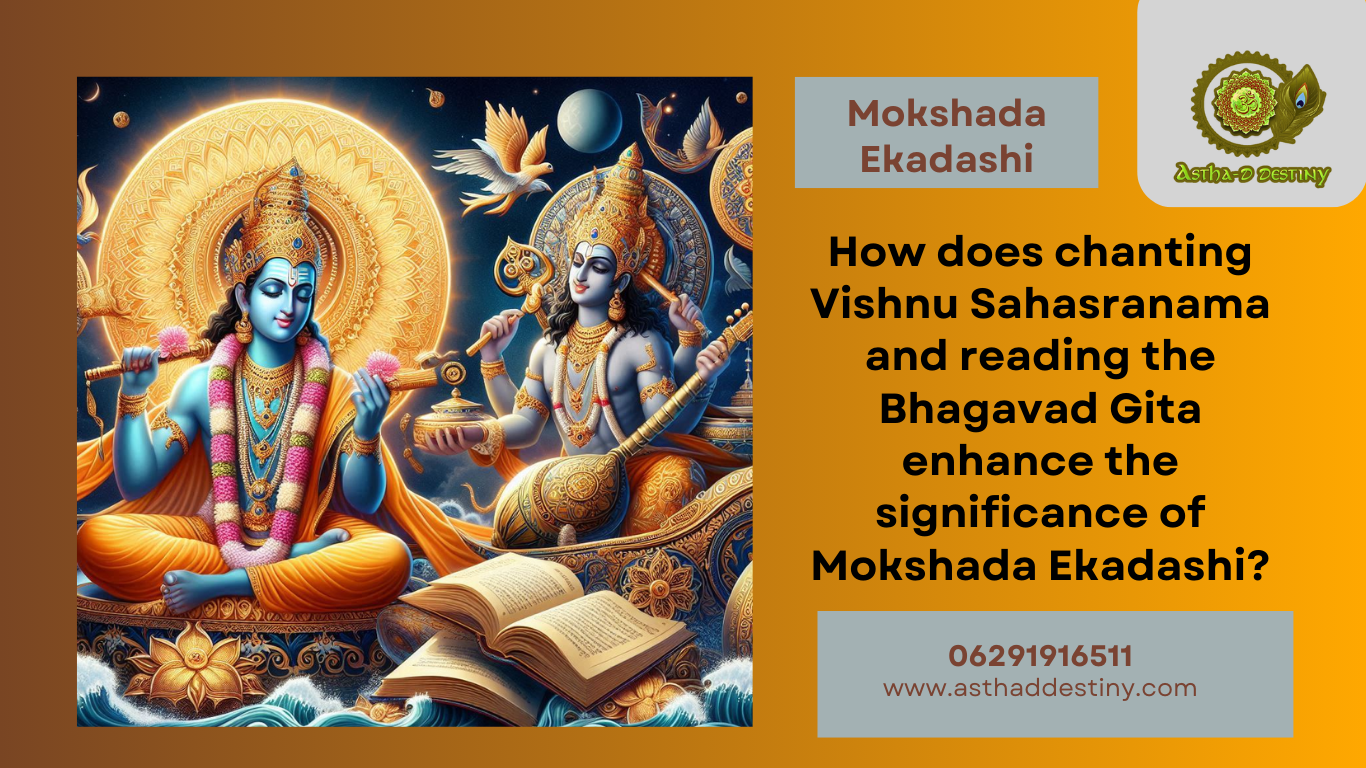
    Devotees worship Lord Vishnu, offering prayers and chanting his divine names. Vishnu Sahasranama, the 1000 names of Lord Vishnu, is recited in temples and homes, invoking his blessings for spiritual growth and liberation. Special prayers and mantras are recited to honor Lord Vishnu and seek his blessings for the attainment of moksha.
  3. Reading the Bhagavad Gita:
    As Mokshada Ekadashi is directly linked to Lord Krishna’s teachings to Yudhishthira, devotees often read or listen to the Bhagavad Gita on this day. The Bhagavad Gita offers profound spiritual wisdom, and by engaging with it on Mokshada Ekadashi, devotees seek to deepen their understanding of life’s purpose and the path to liberation.
  4. Visiting Temples:
    Temples dedicated to Lord Vishnu or Sri Venkateshwara (another form of Lord Vishnu) are especially visited by devotees during this festival. Devotees offer flowers, incense, and prayers in the temples, seeking divine blessings. Tirumala Venkateshwara Temple in Andhra Pradesh and Dwarka are some of the popular temples where Mokshada Ekadashi is celebrated with great devotion.
  5. Performing Charity (Daan):
    Giving to the less fortunate on Mokshada Ekadashi is believed to bring immense spiritual merit. Acts of charity such as distributing food, clothes, and other essentials to the needy are commonly observed on this day. Donating to temples, helping those in need, and supporting religious causes can increase the merit earned on this day.
  6. Lighting Lamps:
    Devotees light oil lamps and place them at their homes and temples as a symbol of enlightenment and the victory of good over evil. Lighting lamps is considered auspicious on Ekadashi, and it represents the lighting of the soul’s path to spiritual awakening.

Benefits of Observing Mokshada Ekadashi

  1. Moksha (Liberation):
    The primary benefit of observing Mokshada Ekadashi is the attainment of moksha. It is believed that fasting and devotion on this day can release the soul from the cycle of birth and death, leading to ultimate spiritual liberation.
  2. Purification of Sins:
    According to Hindu scriptures, fasting on Mokshada Ekadashi cleanses the sins accumulated over past lifetimes. It is believed that even the most sinful individuals can attain purification and spiritual merit on this auspicious day.
  3. Spiritual Growth and Peace:
    Observing this fast helps devotees gain spiritual clarity and inner peace. The day is perfect for reflection, meditation, and connecting with the divine presence of Lord Vishnu, fostering personal growth and contentment.
  4. Blessings of Wealth and Prosperity:
    While the primary purpose of Mokshada Ekadashi is spiritual, devotees also believe that it brings blessings of material well-being. Those who observe the fast with devotion often find success in their work and financial endeavors.
  5. Strengthening Devotional Practices:
    The practice of fasting, prayer, and devotion strengthens one’s spiritual discipline and connection with the divine. It encourages greater focus and commitment to religious practices.

Conclusion

Mokshada Ekadashi is more than just a religious observance; it is a day to reflect on the higher purpose of life, seek divine guidance, and purify one’s soul. Celebrated with deep devotion, this auspicious day offers a unique opportunity for spiritual renewal and the potential for liberation. By fasting, praying, meditating, and engaging in acts of kindness, devotees can align themselves with the divine blessings of Lord Vishnu and set themselves on the path to eternal peace and moksha.

As Mokshada Ekadashi approaches on December 11, 2024, it is an ideal time for all seekers to pause, reflect, and reconnect with their spiritual aspirations. May this sacred day bring peace, prosperity, and the ultimate gift of liberation to all.

Jai Lord Vishnu!

Dattatreya Jayanti: Celebrating the Birth of the Divine Trinity

Dattatreya Jayanti, observed on December 26, is a sacred festival in Hinduism that honors the birth of Lord Dattatreya, a unique deity who embodies the divine trinity of Brahma, Vishnu, and Shiva. The celebration holds deep spiritual significance as it recognizes the powerful presence of Lord Dattatreya as the synthesis of three supreme gods, who transcend time, space, and material limitations.

Dattatreya Jayanti is a time for devotees to reflect on the values of wisdom, detachment, service, and spiritual growth. The day is filled with prayers, fasting, and spiritual practices that aim to invoke the blessings of Lord Dattatreya and seek guidance for personal transformation.


Who is Lord Dattatreya?

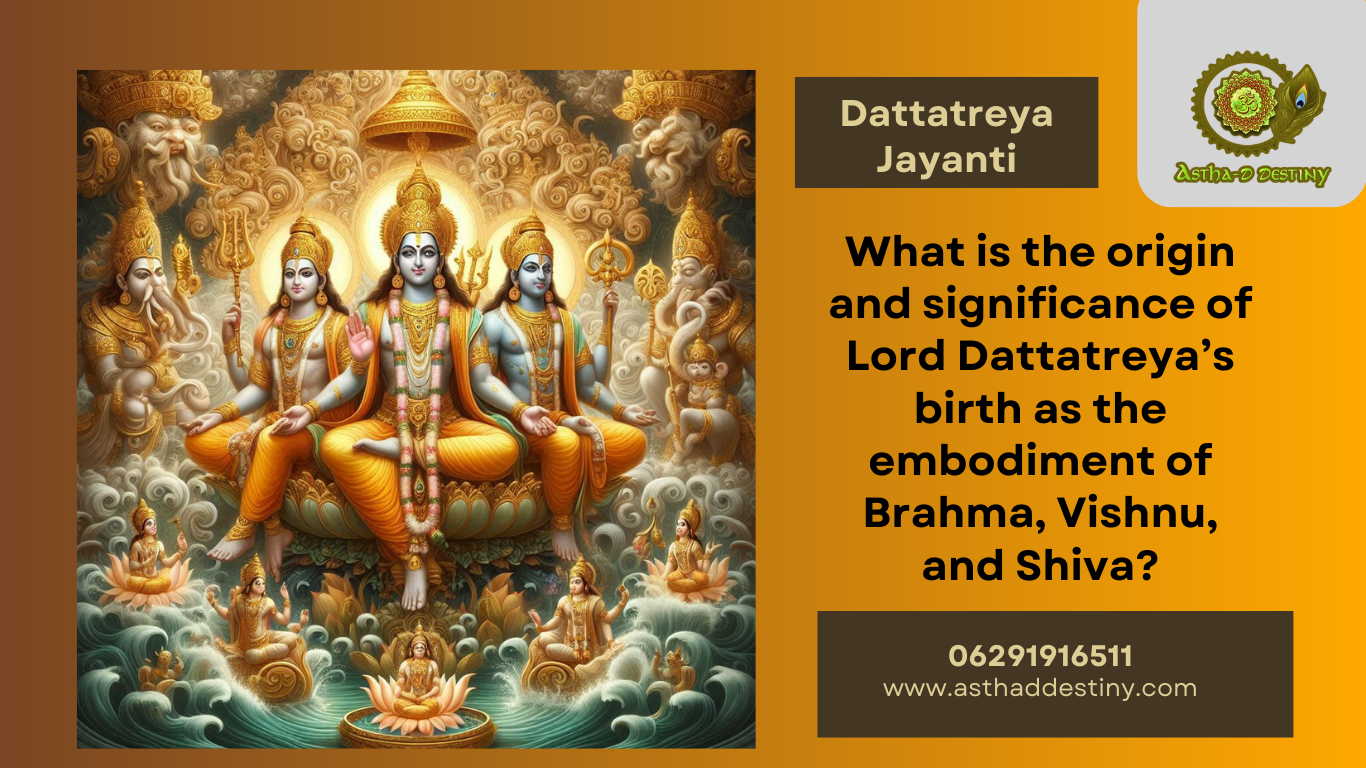
Lord Dattatreya is one of the most revered deities in Hinduism, and his identity is rooted in the concept of the Trimurti (the triad of gods: Brahma, Vishnu, and Shiva). According to Hindu mythology, Lord Dattatreya was born to Atri Rishi and Anasuya, one of the most revered sage couples. Anasuya’s chastity and devotion to her husband were so powerful that she was granted a boon by the three supreme gods themselves: Brahma, Vishnu, and Shiva. The gods, impressed by her purity, incarnated together as Lord Dattatreya.

  • Brahma represents creation.
  • Vishnu signifies preservation.
  • Shiva symbolizes destruction and transformation.

Together, Lord Dattatreya exemplifies the balance between creation, preservation, and dissolution, making him a unique deity in Hindu philosophy.


The Birth and Early Life of Lord Dattatreya

The story of Lord Dattatreya’s birth is recounted in several Hindu texts, including the Bhavishya Purana and the Skanda Purana. It is believed that Lord Dattatreya’s birth took place on the Purnima (full moon day) of the Margashirsha month (usually coinciding with December 26). His mother, Anasuya, was an ardent devotee of Lord Shiva, while his father, Atri Rishi, was known for his wisdom and spiritual power. The divine trinity, Brahma, Vishnu, and Shiva, decided to incarnate as a single being to embody the combined essence of creation, preservation, and destruction.

Lord Dattatreya is often depicted with three heads representing the three gods and holding various symbols of spiritual wisdom, such as the trishul (trident), kamandalu (water pot), and prayer beads. He is often shown accompanied by four dogs, which represent the four Vedas, and a cow, symbolizing selfless service and devotion.


Significance of Dattatreya Jayanti

Dattatreya Jayanti is not only a celebration of Lord Dattatreya’s birth but also a time for devotees to seek spiritual growth and self-realization. The festival holds various layers of significance:

  1. Symbol of Unity: Lord Dattatreya is the embodiment of the Trimurti—the three divine forces that govern the universe. By honoring Lord Dattatreya, devotees acknowledge the interconnectedness of creation, preservation, and destruction, recognizing that all forces are part of a greater cosmic order.
  2. Guru and Disciple Relationship: Dattatreya is also regarded as the supreme Guru (teacher), and his teachings emphasize the importance of spiritual discipline, devotion, and selfless service. His life is an example of how a disciple can transcend worldly attachments and attain enlightenment.
  3. Spiritual Liberation: Lord Dattatreya is often invoked for spiritual guidance and liberation. His followers believe that worshipping him on this day leads to moksha (freedom from the cycle of birth and death) and helps them overcome obstacles in their personal, spiritual, and material lives.
  4. Detachment and Self-realization: One of the core teachings of Lord Dattatreya is the path of detachment from worldly desires and attachments. His devotees seek to free themselves from the illusion of materialism, moving towards a state of inner peace and contentment.

Rituals and Celebrations of Dattatreya Jayanti

Dattatreya Jayanti is celebrated with great devotion across India, especially in the states of Maharashtra, Karnataka, Andhra Pradesh, and Goa, where temples dedicated to Lord Dattatreya are found. The celebrations typically include a mix of rituals, prayers, and festivities that encourage spiritual growth and community participation.

  1. Fasting: Devotees observe a strict fast on the day of Dattatreya Jayanti. They abstain from consuming food and water (Nirjala fast) or opt for light meals like fruits, nuts, and milk. The fast is believed to purify the body and soul, preparing the devotee for receiving Lord Dattatreya’s divine blessings.
  2. Recitation of Scriptures: Devotees chant Dattatreya Ashtakshara Mantra or Dattatreya Stotra, along with other sacred texts like the Dattatreya Mahatmya. These recitations help invoke Lord Dattatreya’s blessings and purify the mind and soul.
  3. Puja and Offerings: In temples dedicated to Lord Dattatreya, special pujas are performed with offerings of flowers, incense, fruits, and sweets. The trio of Brahma, Vishnu, and Shiva is worshipped, and devotees seek blessings for prosperity, health, and spiritual progress.
  4. Charity and Seva: Acts of charity are an integral part of the celebration. Donating food to the needy, distributing clothes, and contributing to community welfare are considered acts of earning divine merit and embodying the selfless service that Lord Dattatreya represents.
  5. Gathering and Celebrations: Communities gather in temples to celebrate with fervor. The day is marked by bhajans (devotional songs), kirtans (chanting of divine names), and dances celebrating the life and teachings of Lord Dattatreya.
  6. Visiting Dattatreya Temples: Pilgrims from different parts of India travel to famous Dattatreya temples, such as those in Ganagapur (Karnataka), Pandharpur (Maharashtra), and Dattagiri (Goa). These temples host large-scale celebrations and are known for their peaceful atmosphere, which helps devotees connect with the divine presence of Lord Dattatreya.

Teachings of Lord Dattatreya

Lord Dattatreya’s teachings, found in texts like the Dattatreya Upanishad, focus on the path of detachment, self-realization, and discipline. Here are some of the key lessons attributed to Lord Dattatreya:

  1. Detachment: True spirituality is about renouncing worldly attachments and seeking connection with the divine. Lord Dattatreya exemplified this by living a life free of possessions and desires.
  2. Self-awareness: By understanding oneself, a person can overcome ignorance and attain spiritual wisdom. Self-inquiry is essential for personal growth and enlightenment.
  3. Humility: Despite being the embodiment of the divine trinity, Lord Dattatreya was known for his humble nature, teaching that humility is the foundation of wisdom.
  4. Service to Others: The practice of selfless service (seva) is a key aspect of spiritual growth. Lord Dattatreya’s followers believe in offering their services to humanity, which, in turn, purifies the soul.
  5. The Importance of a Guru: Dattatreya emphasized the significance of the guru-disciple relationship. According to his teachings, a true guru can guide the disciple towards the realization of their divine nature.

Conclusion

Dattatreya Jayanti is not just a celebration of the birth of Lord Dattatreya; it is a time for spiritual awakening and transformation. It encourages devotees to look beyond the material world and focus on self-realization and divine connection. By following the teachings of Lord Dattatreya—embodying detachment, humility, service, and wisdom—individuals can navigate life’s challenges with grace and ultimately attain the highest goal of spiritual liberation.

May the blessings of Lord Dattatreya bring peace, wisdom, and enlightenment to all who celebrate this sacred day, and may his teachings guide us on the path of self-discovery and liberation.

Jai Dattatreya!

Utpanna Ekadashi: The Birth of Liberation and Devotion

Utpanna Ekadashi, also known as the “Ekadashi of Creation”, is a sacred day in Hinduism celebrated on the Krishna Paksha Ekadashi (11th day of the waning moon) during the Margashirsha month of the Hindu lunar calendar. This Ekadashi marks the origin of the Ekadashi vrat (fast) and is considered the day when Lord Vishnu’s divine form, Ekadashi Mata, emerged to destroy evil and protect dharma.

Utpanna Ekadashi is not only about religious fasting but also a day of immense spiritual importance, signifying the triumph of good over evil and the liberation of the soul through devotion and self-discipline.


Mythological Background

The significance of Utpanna Ekadashi is rooted in Hindu scriptures, particularly the Padma Purana. According to the legend:

  • The demon Mura terrorized the heavens and disrupted dharma. Even the gods were unable to defeat him.
  • Seeking help, the gods turned to Lord Vishnu, who engaged Mura in battle. However, Mura’s immense power posed a challenge.
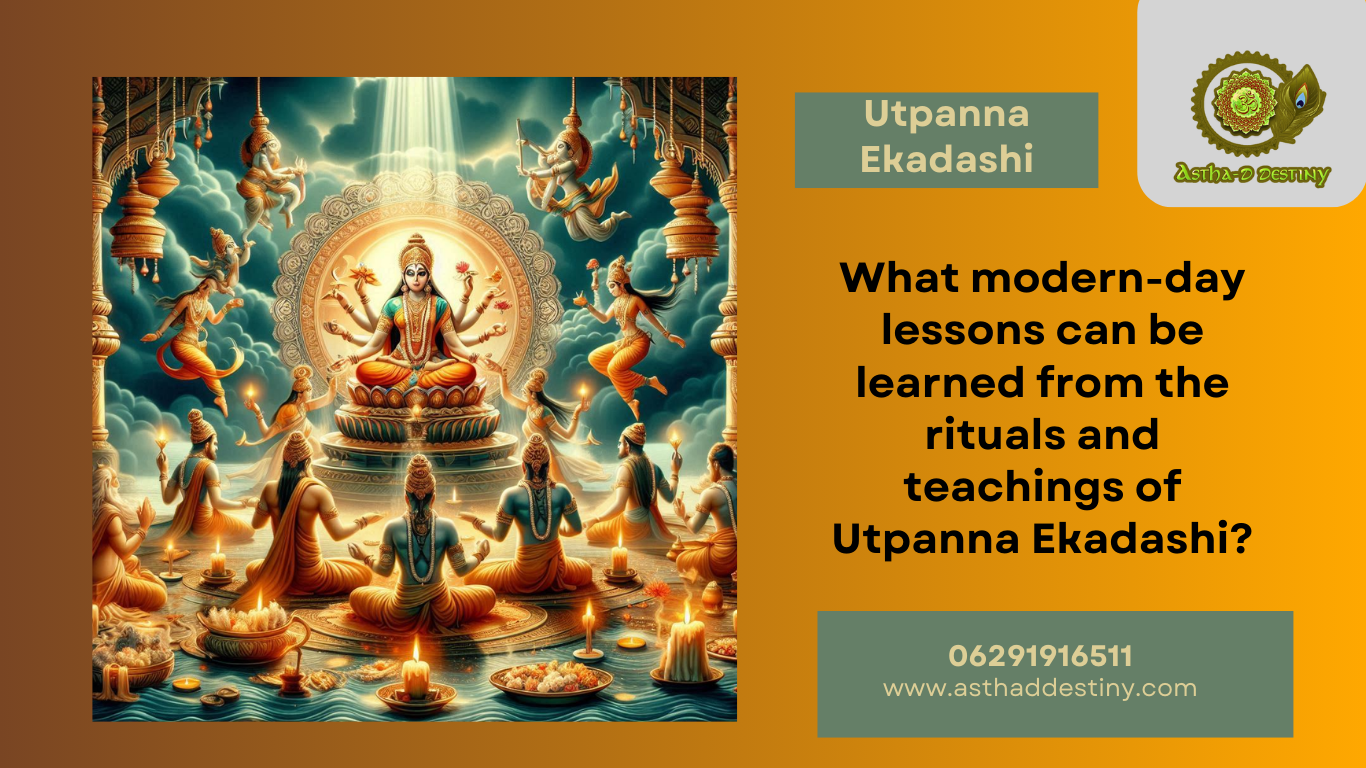
  • Exhausted, Vishnu retreated to a cave to rest. When Mura attempted to attack him during his rest, a divine female energy emerged from Vishnu’s body.
  • This energy, later known as Ekadashi Mata, vanquished the demon Mura and saved the universe.
  • Pleased by her devotion and valor, Lord Vishnu declared that observing the Ekadashi vrat on this day would free devotees from sins and grant liberation (moksha).

Spiritual Significance of Utpanna Ekadashi

  1. Beginning of Ekadashi Vrat: Utpanna Ekadashi is believed to be the origin of the practice of Ekadashi fasting, a ritual that promotes self-discipline and devotion.
  2. Victory of Good Over Evil: The story of Ekadashi Mata symbolizes the destruction of negativity and the protection of righteousness.
  3. Path to Moksha: Observing this day with devotion is said to help devotees attain spiritual liberation by purifying their mind, body, and soul.
  4. Alignment with Cosmic Energies: Ekadashi fasting aligns individuals with cosmic rhythms, promoting physical and spiritual harmony.

Rituals and Practices on Utpanna Ekadashi

1. Observing the Fast

Fasting is the central ritual on Utpanna Ekadashi. Devotees begin their fast from sunrise and avoid grains, cereals, and certain vegetables.

  • Types of Fasts:
    • Nirjala (waterless): Most stringent, avoiding even water.
    • Phalahar (fruit-based): Consuming fruits, nuts, and milk.
    • Partial Fast: Simple meals without prohibited items.
  • The fast concludes on Dwadashi Tithi (12th day) after performing morning prayers.

2. Worshipping Lord Vishnu

Devotees wake early, take a ritualistic bath, and prepare for Lord Vishnu’s worship.

  • Offerings: Tulsi leaves, flowers, incense, and sweets are offered to Vishnu.
  • Mantras: Chanting Vishnu’s names, particularly “Om Namo Bhagavate Vasudevaya,” amplifies spiritual energies.

3. Reading or Listening to Scriptures

Reading the Vishnu Sahasranama (thousand names of Vishnu) or stories from the Padma Purana is a significant part of the observance, enhancing one’s connection with divine wisdom.

4. Charity and Feeding the Needy

Acts of charity, such as donating food, clothes, or money, hold special merit on this day. Feeding cows and offering food to Brahmins or the underprivileged is a common practice.


Astrological Importance

From an astrological perspective, Utpanna Ekadashi occurs when the moon’s influence is conducive to introspection and spiritual growth.

  • Favorable Energies: The waning moon phase encourages inward focus, helping devotees release material attachments and negative emotions.
  • Karmic Cleansing: Observing the fast helps mitigate the effects of past karma and enhances spiritual progress.

Benefits of Observing Utpanna Ekadashi

  1. Spiritual Purification: Fasting detoxifies the body and purifies the soul, fostering a deep connection with divinity.
  2. Release from Sins: Devotees believe that observing this Ekadashi absolves them of past sins and negative karma.
  3. Mental Clarity: The abstinence from heavy foods and the focus on spiritual practices promote inner peace and clarity of thought.
  4. Divine Protection: Worshipping Lord Vishnu on this day invites his blessings and protection against obstacles and adversities.
  5. Path to Liberation: Utpanna Ekadashi is considered a gateway to moksha, liberating the soul from the cycle of birth and death.

Celebrations Across India

1. Temples

Temples dedicated to Lord Vishnu, such as Tirupati Balaji and Dwarkadhish Temple, witness special prayers, bhajans, and kirtans. The festive atmosphere draws devotees seeking divine blessings.

2. Regional Variations

  • North India: Devotees observe the fast with strict discipline, emphasizing tulsi offerings.
  • South India: Temples organize special abhishekam (ritual bathing) ceremonies for Vishnu idols.
  • West Bengal and Odisha: The day is marked with traditional bhajans and rituals in Vaishnavite temples.

Scientific Perspective on Fasting

While Utpanna Ekadashi is rooted in religious beliefs, its fasting practices also have scientific merit.

  • Detoxification: Abstaining from grains and heavy foods helps detoxify the digestive system.
  • Mental Focus: The spiritual focus of the day reduces stress and enhances mental clarity.
  • Improved Metabolism: Fasting improves metabolic efficiency, promoting overall health.

Lessons from Utpanna Ekadashi

  1. The Power of Devotion: Devotion to the divine can conquer even the most formidable challenges.
  2. Victory of Virtue: The story of Ekadashi Mata teaches that righteousness ultimately triumphs over evil.
  3. Self-Discipline: Fasting and spiritual observances instill discipline and self-control, essential for personal growth.
  4. Unity with Nature: Aligning with cosmic rhythms through fasting and prayer fosters harmony with nature.

Modern Relevance of Utpanna Ekadashi

In today’s fast-paced world, Utpanna Ekadashi serves as a reminder to pause, reflect, and reconnect with spirituality. Its principles hold contemporary relevance:

  • Mindfulness: The day emphasizes mindfulness in actions, thoughts, and diet.
  • Sustainable Living: Fasting promotes minimalism and reduces excess consumption.
  • Inner Peace: Spiritual practices encourage introspection and emotional balance.

Conclusion

Utpanna Ekadashi is a profound day that blends devotion, discipline, and the promise of liberation. By observing this sacred day with sincerity and faith, devotees not only honor Lord Vishnu and Ekadashi Mata but also take a step toward spiritual evolution.

Through its timeless rituals and teachings, Utpanna Ekadashi continues to inspire millions to seek a life of righteousness, devotion, and inner peace. As we celebrate this auspicious occasion, let us strive to conquer the demons of our mind and embrace the path of dharma and divine grace.

Om Namo Bhagavate Vasudevaya!

Kalashtami: The Sacred Day of Lord Bhairav Worship

Kalashtami, also known as Kala Ashtami, is a significant day in the Hindu calendar, dedicated to the fierce form of Lord Shiva known as Kaal Bhairav. Observed on the Ashtami Tithi (eighth day) of the Krishna Paksha (waning moon phase) every month, Kalashtami holds immense spiritual importance for devotees seeking protection, justice, and liberation from negativity.

This blog delves into the mythology, rituals, significance, and spiritual impact of observing Kalashtami, illuminating the powerful energies associated with Lord Bhairav.


Who is Kaal Bhairav?

Kaal Bhairav is one of the most intense and fearsome manifestations of Lord Shiva. The name “Kaal” translates to time, and “Bhairav” means the one who instills fear or destroys fear itself. Together, Kaal Bhairav symbolizes the protector of time and the enforcer of cosmic law.

Mythological Origin

The Shiva Purana narrates the story of Kaal Bhairav’s birth. During a heated debate, Lord Brahma disrespected Shiva’s supremacy, leading to the creation of Kaal Bhairav. Manifesting from Shiva’s anger, Kaal Bhairav cut off Brahma’s fifth head, symbolizing the eradication of arrogance and ego. This act also made him the divine enforcer of righteousness and justice.


Significance of Kalashtami

  1. Protection from Negative Forces: Kaal Bhairav is known as the guardian deity who shields his devotees from evil energies and malicious forces.
  2. Eradication of Ego: Observing Kalashtami is believed to help devotees let go of pride, arrogance, and ignorance.
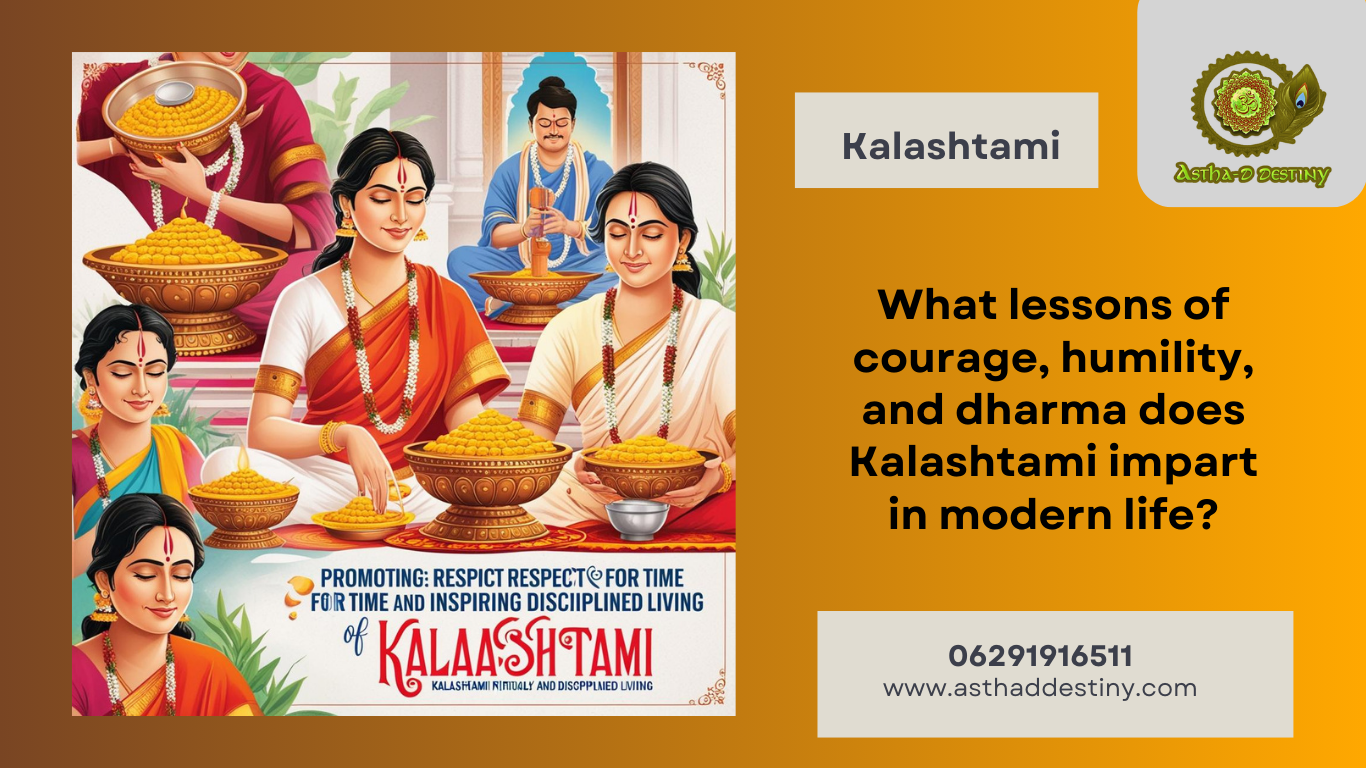
  3. Time Management and Discipline: Lord Bhairav is considered the ruler of time, and his worship inspires individuals to respect and utilize time wisely.
  4. Planetary Relief: Kalashtami worship helps mitigate the malefic effects of Saturn (Shani) and Rahu, promoting peace and stability.

Rituals and Observances on Kalashtami

Devotees follow specific rituals to honor Lord Kaal Bhairav and derive spiritual benefits from this sacred day.

1. Fasting (Vrat)

Fasting from sunrise to moonrise is a common practice on Kalashtami. Devotees abstain from consuming grains and instead eat fruits or perform a complete waterless fast.

  • Purpose: Fasting signifies surrender, spiritual purification, and self-discipline.

2. Worship and Offerings

Special pujas are performed to invoke Lord Kaal Bhairav’s blessings. Devotees offer black sesame seeds, mustard oil, flowers, coconuts, and incense during the rituals.

  • Key Mantra: Chanting “Om Kaal Bhairavaya Namah” or the Kaal Bhairav Ashtakam enhances spiritual vibrations.

3. Feeding Dogs

Dogs, regarded as Lord Bhairav’s vehicle (vahana), are considered sacred. Feeding dogs with milk, sweets, or bread is an essential act of devotion.

4. Temple Visits

Devotees visit Kaal Bhairav temples to participate in evening aarti and seek blessings. Temples like the Kal Bhairav Temple in Ujjain and the Kaal Bhairav Temple in Varanasi hold special significance.

5. Lighting Mustard Oil Lamps

Lighting mustard oil lamps at temples or near a Shiva Lingam symbolizes dispelling ignorance and negativity from one’s life.


Astrological Relevance of Kalashtami

Kalashtami is particularly important for those experiencing difficulties due to planetary afflictions, especially from Shani (Saturn) and Rahu. Worshipping Lord Kaal Bhairav helps in:

  • Relieving planetary doshas (imbalances) in one’s birth chart.
  • Mitigating the impact of Saturn’s Sade Sati or Rahu’s transit.
  • Enhancing focus, discipline, and patience, which are influenced by these planets.

Benefits of Observing Kalashtami

  1. Divine Protection: Worshipping Lord Kaal Bhairav shields devotees from physical, emotional, and spiritual harm.
  2. Release from Fear: Kaal Bhairav instills fearlessness and courage in those who seek his blessings.
  3. Overcoming Negativity: The rituals performed on Kalashtami help in eradicating negative thoughts, energies, and influences.
  4. Spiritual Growth: Observing this day fosters self-awareness and connection with the divine.
  5. Resolution of Karmic Debts: Worshipping Kaal Bhairav aids in resolving past karmic burdens and embracing righteousness.

Celebrations Across India

1. Ujjain (Madhya Pradesh)

The Kal Bhairav Temple in Ujjain witnesses elaborate rituals and grand celebrations. Unique offerings, including liquor, are made to the deity as a mark of devotion.

2. Varanasi (Uttar Pradesh)

In Varanasi, the city of Lord Shiva, the Kaal Bhairav Temple becomes a hub of spiritual activity. Devotees throng the temple for prayers and special ceremonies.

3. Tamil Nadu and Karnataka

In southern India, Kaal Bhairav is revered as Bhairavar. Temples organize special abhishekam (ritual bathing) with milk, sandalwood paste, and turmeric.


Spiritual Lessons from Kalashtami

  1. Conquering Fear: Fear often limits growth and potential. Kalashtami encourages devotees to face their fears with courage and faith in the divine.
  2. Respecting Time: Lord Kaal Bhairav reminds us of the transient nature of life and the importance of making every moment count.
  3. Upholding Dharma: Living a righteous life aligned with dharma ensures peace, harmony, and spiritual growth.
  4. Letting Go of Ego: The mythological tales of Kaal Bhairav emphasize humility and surrender to divine will.

Modern Relevance of Kalashtami

In today’s fast-paced and uncertain world, Kalashtami serves as a reminder to slow down, introspect, and connect with higher energies. Worshipping Kaal Bhairav:

  • Encourages emotional resilience and strength in the face of challenges.
  • Promotes mindfulness and disciplined living.
  • Helps individuals confront their fears and embrace personal transformation.

Conclusion

Kalashtami is more than a religious observance; it is a day to reconnect with the principles of time, justice, and fearlessness embodied by Lord Kaal Bhairav. Through fasting, prayer, and acts of kindness, devotees can align themselves with divine energies and navigate life’s challenges with courage and clarity.

By observing Kalashtami with devotion and sincerity, one can seek Lord Kaal Bhairav’s blessings for protection, spiritual growth, and liberation from negativity. Let this sacred day inspire us to embrace the transformative power of faith and righteousness.

Om Kaal Bhairavaya Namah!

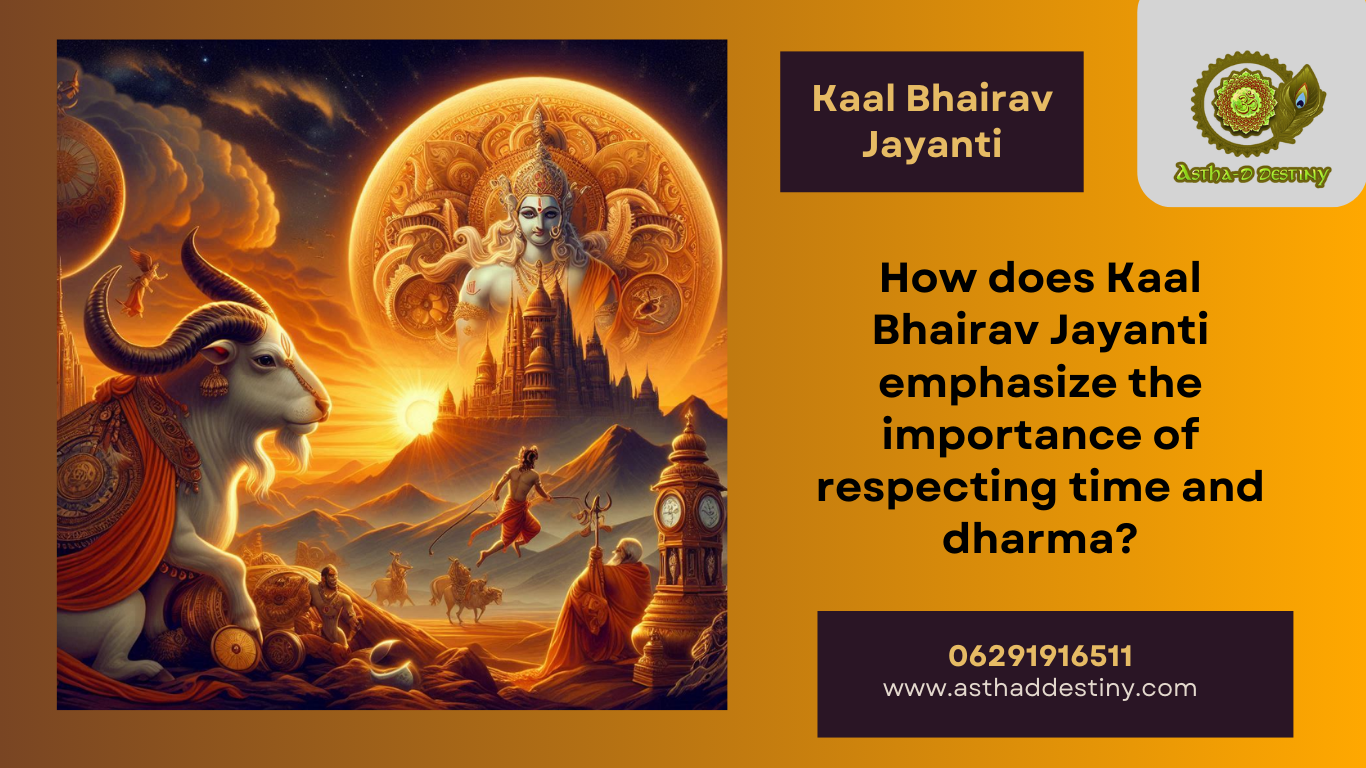
Kaal Bhairav Jayanti: The Night of Fearlessness and Divine Protection

Kaal Bhairav Jayanti, also known as Bhairav Ashtami, is a significant Hindu festival dedicated to Lord Kaal Bhairav, a fierce manifestation of Lord Shiva. Celebrated on the eighth day (Ashtami) of the Krishna Paksha (waning phase of the moon) in the month of Margashirsha (November-December), this sacred day marks the divine appearance of Kaal Bhairav. Lord Kaal Bhairav is revered as the protector, the destroyer of negativity, and the guardian of time and space.

This blog explores the history, spiritual significance, rituals, and relevance of Kaal Bhairav Jayanti, providing insights into the profound energy associated with this occasion.


The Origin of Kaal Bhairav

According to Hindu mythology, Lord Kaal Bhairav is a fearsome aspect of Shiva, embodying the ultimate power of destruction and protection. His name, “Kaal,” refers to time, and “Bhairav” translates to fearlessness, making him the guardian who transcends time and fear.

The Mythological Tale of Kaal Bhairav

One of the most popular legends about Kaal Bhairav’s origin comes from the Shiva Purana. Once, during a heated discussion among the Trimurti (Brahma, Vishnu, and Shiva), Brahma questioned the supremacy of Lord Shiva. In response, Shiva manifested Kaal Bhairav, who decapitated Brahma’s fifth head, symbolizing the eradication of ego and arrogance. This act established Lord Shiva’s unparalleled authority while showcasing Kaal Bhairav’s role as a divine enforcer of justice.


Significance of Kaal Bhairav Jayanti

Kaal Bhairav Jayanti holds deep spiritual and cultural significance, emphasizing themes of protection, justice, and transformation.

  1. Guardian of Time: Lord Kaal Bhairav oversees the passage of time, teaching devotees the importance of living in the present and respecting the cycles of life.
  2. Destroyer of Negativity: Worshipping Kaal Bhairav helps in eradicating negativity, fear, and ignorance, making way for spiritual growth.
  3. Protector of Dharma: Known as the guardian of dharma (righteousness), Kaal Bhairav ensures justice and cosmic order.
  4. Liberator from Fear: Kaal Bhairav instills courage and fearlessness in devotees, enabling them to face life’s challenges with strength and clarity.

Rituals and Observances on Kaal Bhairav Jayanti

Devotees observe Kaal Bhairav Jayanti with devotion and austerity, participating in rituals that invoke the divine blessings of Lord Bhairav.

1. Fasting (Vrat)

Fasting is a common practice on this day, observed from sunrise to sunset. Devotees consume simple foods or fruits to maintain spiritual focus and discipline.

  • Purpose of the Fast: Fasting symbolizes surrender to divine will and purification of the body and mind.

2. Kaal Bhairav Puja

Special pujas are performed in temples and homes, where devotees offer flowers, black sesame seeds, mustard oil, and coconuts to the deity.

  • Mantras to Chant: Reciting the Kaal Bhairav Ashtakam or chanting “Om Kaal Bhairavaya Namah” is believed to invoke divine protection and blessings.

3. Lighting Lamps

Lighting mustard oil lamps at Kaal Bhairav temples or near a Shiva lingam is a significant ritual, symbolizing the removal of darkness and ignorance.

4. Offerings to Dogs

Dogs are considered sacred to Lord Kaal Bhairav, as they are believed to be his divine vehicle (vahana). Feeding stray dogs is an act of kindness and devotion on this day.

5. Visiting Temples

Kaal Bhairav temples, such as the famous Kal Bhairav Temple in Ujjain and Kashi Vishwanath in Varanasi, witness grand celebrations. Devotees offer prayers and participate in special rituals.


Spiritual Benefits of Observing Kaal Bhairav Jayanti

Celebrating Kaal Bhairav Jayanti is believed to bring numerous spiritual and material benefits:

  1. Overcoming Fear: Worshipping Kaal Bhairav helps devotees confront and overcome deep-seated fears.
  2. Protection from Negativity: His blessings shield individuals from evil forces and negative energies.
  3. Strengthening Intuition: Lord Kaal Bhairav enhances awareness and spiritual insight, guiding devotees on their path.
  4. Resolution of Karmic Debts: Observing this day aids in resolving past karmic imbalances and embracing righteousness.

Astrological Relevance of Kaal Bhairav

In Vedic astrology, Kaal Bhairav is associated with the planet Saturn (Shani), representing discipline, justice, and the consequences of past actions. Worshipping Kaal Bhairav on this day is believed to reduce the malefic effects of Saturn and Rahu, ensuring peace and prosperity.


Celebrations Across India

Kaal Bhairav Jayanti is celebrated with grandeur and devotion in various parts of India:

  1. Ujjain (Madhya Pradesh): The Kal Bhairav Temple in Ujjain hosts elaborate ceremonies, attracting thousands of devotees. Offering liquor to the deity, a unique ritual at this temple, is a mark of devotion.
  2. Varanasi (Uttar Pradesh): The Kaal Bhairav Temple in Varanasi sees extensive celebrations, with devotees participating in night-long prayers and chanting.
  3. Tamil Nadu: In southern India, Kaal Bhairav is worshipped as Bhairavar, with temples performing special abhishekams and rituals.

Modern Relevance of Kaal Bhairav Jayanti

In today’s fast-paced and uncertain world, the teachings of Kaal Bhairav resonate deeply with individuals seeking stability, protection, and fearlessness. Observing this day reminds us to:

  1. Embrace Courage: Life is filled with uncertainties, but worshipping Kaal Bhairav instills the courage to face them head-on.
  2. Respect Time: Time is a finite resource, and Kaal Bhairav teaches us to use it wisely and purposefully.
  3. Seek Justice and Truth: Upholding dharma in daily life ensures personal growth and harmony in society.

Conclusion

Kaal Bhairav Jayanti is not merely a day of rituals; it is a celebration of courage, time, and justice. By honoring Lord Kaal Bhairav, devotees connect with the timeless principles of fearlessness and righteousness, finding solace and strength in his divine protection.

Whether through fasting, prayers, or acts of kindness, celebrating this auspicious occasion allows individuals to align themselves with Lord Shiva’s transformative energy and gain the confidence to overcome life’s challenges. On this sacred day, let us embrace the teachings of Kaal Bhairav and walk fearlessly on the path of dharma.

Om Kaal Bhairavaya Namah!

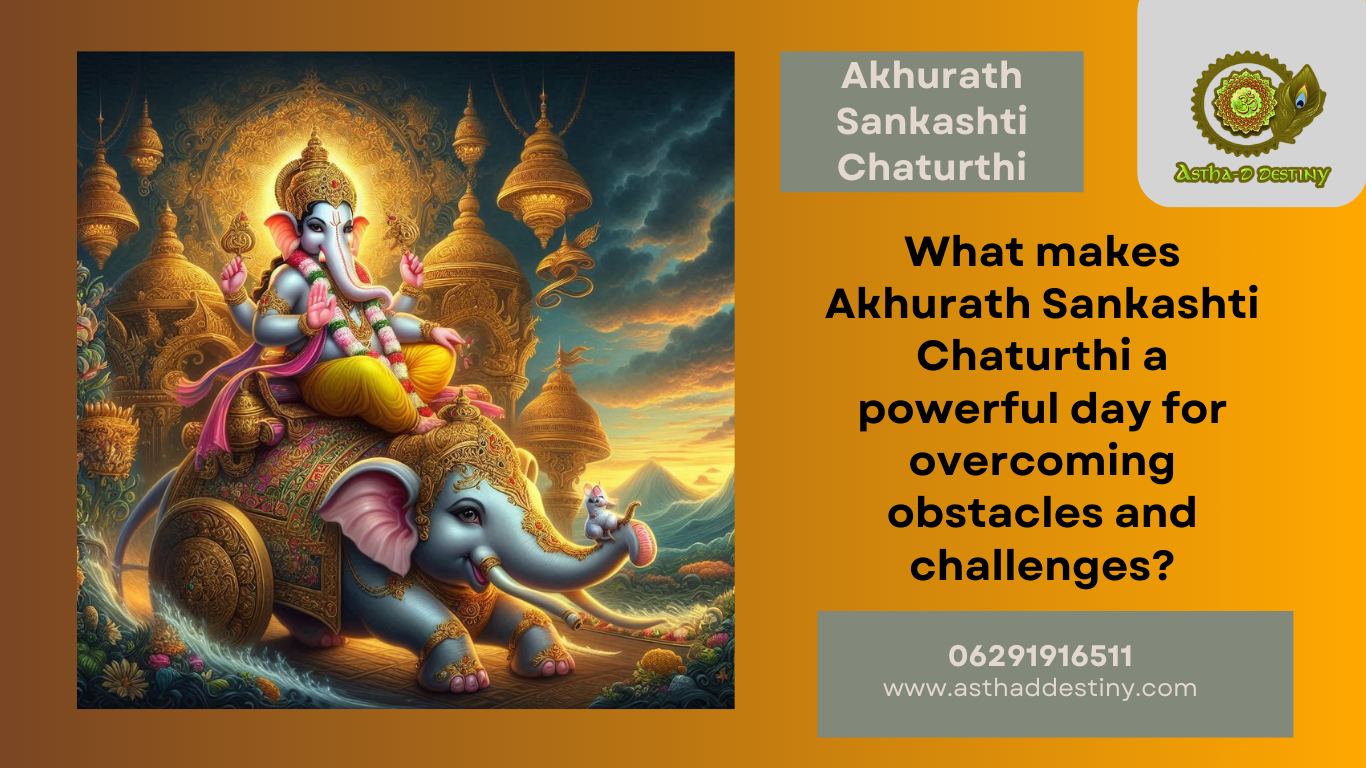
Akhurath Sankashti Chaturthi: A Sacred Day of Devotion and Blessings

Sankashti Chaturthi, dedicated to Lord Ganesha, holds immense significance in Hinduism. Among its many forms, Akhurath Sankashti Chaturthi, celebrated on the fourth day of the Krishna Paksha (waning phase of the moon), carries special spiritual and cultural importance. Lord Ganesha, revered as the remover of obstacles and the harbinger of wisdom, is worshipped on this day with deep devotion. “Akhurath” refers to Lord Ganesha as the one who rides a mouse (his divine vehicle), symbolizing his ability to control even the smallest forces in the universe.

This blog delves into the profound meaning, rituals, and significance of Akhurath Sankashti Chaturthi, illuminating the spiritual practices associated with this auspicious occasion.


The Significance of Akhurath Sankashti Chaturthi

Akhurath Sankashti Chaturthi is a powerful day for seeking divine blessings and removing obstacles from life. The name “Sankashti” itself means “deliverance during difficult times,” emphasizing the day’s role in overcoming challenges and gaining spiritual insights.

  1. Devotion to Lord Ganesha: Lord Ganesha is worshipped as the embodiment of wisdom, intellect, and prosperity. Observing Akhurath Sankashti Chaturthi is believed to invoke his blessings for removing obstacles and attaining success in endeavors.
  2. Spiritual Cleansing: The rituals performed on this day symbolize spiritual purification. By seeking Lord Ganesha’s grace, devotees strive to overcome inner conflicts and negative tendencies.
  3. Astrological Importance: Observing Sankashti Chaturthi on specific lunar alignments is believed to reduce the adverse effects of planetary transits, bringing harmony and positivity into life.

The Legend Behind Akhurath Sankashti Chaturthi

The tales associated with Sankashti Chaturthi reveal the profound impact of Lord Ganesha’s blessings. One popular story recounts a time when the Devas (celestial beings) were troubled by Asuras (demons). Seeking help, they approached Lord Ganesha, who, with his wisdom and intellect, resolved their problems, signifying the importance of faith and perseverance.

Another legend narrates how Ganesha blessed a devotee by riding on his tiny mouse, Akhurath. This story symbolizes how even the seemingly insignificant can accomplish great feats when guided by divine power.


Rituals and Observances on Akhurath Sankashti Chaturthi

Akhurath Sankashti Chaturthi is marked by specific rituals and customs, each carrying deep symbolic meaning:

1. Fasting (Vrat)

Fasting is a central aspect of Sankashti Chaturthi observances. Devotees fast from sunrise to moonrise, consuming only fruits, milk, or vrat-friendly food. The fast is broken after sighting the moon and performing the Ganesh Chaturthi Puja.

  • Purpose of Fasting: It symbolizes self-discipline and devotion, helping the devotee connect deeply with the divine.

2. Ganesh Puja

Performing puja with flowers, incense, and modaks (Lord Ganesha’s favorite sweet) is an integral part of the celebrations. Devotees chant the Ganesha Atharvasirsha or Sankashti Chaturthi Vrat Katha, recounting the deity’s glories.

  • Offerings: Modak, durva grass, and red hibiscus flowers are considered auspicious offerings.

3. Observing the Moonrise

The sighting of the moon is a significant moment on Akhurath Sankashti Chaturthi. Devotees offer water, rice, and flowers to the moon while reciting specific prayers to seek blessings.

4. Chanting and Meditation

Reciting Ganesha mantras, such as “Om Gan Ganapataye Namah”, helps devotees focus their energy and align with the divine vibrations of the day.


Spiritual Benefits of Akhurath Sankashti Chaturthi

Observing this sacred day is believed to bring immense spiritual and material benefits:

  1. Removal of Obstacles: Lord Ganesha’s blessings help in overcoming difficulties and achieving success.
  2. Enhanced Wisdom: By seeking Ganesha’s grace, devotees gain clarity and insight, improving their decision-making abilities.
  3. Inner Peace: The rituals and fasting encourage self-reflection, leading to inner harmony and spiritual growth.
  4. Strengthened Faith: Observing Akhurath Sankashti Chaturthi strengthens the bond between the devotee and the divine, fostering unwavering faith.

Astrological and Cosmic Significance

In astrology, Sankashti Chaturthi is a day to balance planetary influences. The moon plays a vital role in Hindu spirituality, representing the mind and emotions. Worshipping Lord Ganesha on this day aligns the mind, helping devotees achieve emotional stability and clarity.

  • Impact of the Waning Moon: The Krishna Paksha Chaturthi emphasizes letting go of negative energies and embracing spiritual growth.
  • Relief from Planetary Doshas: Devotees believe that observing this day reduces the ill effects of planetary doshas (imbalances) in their horoscopes.

Celebrations Across India

Akhurath Sankashti Chaturthi is celebrated with zeal across India. Each region adds its unique touch to the rituals:

  1. Maharashtra: The state is renowned for its grand Ganesh Puja celebrations. Temples like Shree Siddhivinayak Temple see thousands of devotees performing elaborate pujas.
  2. Tamil Nadu: Known as Sankatahara Chaturthi, this day is observed with fasting and special prayers in Ganesha temples.
  3. Karnataka: The day is marked by vibrant temple ceremonies, and devotees prepare special sweets like modaks and karanji.
  4. North India: Homes and temples echo with chants of Ganapati Bappa Morya, with devotees offering prasad and performing rituals.

Modern Relevance of Akhurath Sankashti Chaturthi

In today’s fast-paced world, Akhurath Sankashti Chaturthi serves as a reminder of the importance of faith, discipline, and spirituality. Observing this day can help individuals:

  1. Rekindle Spirituality: Amid the chaos of modern life, the rituals encourage mindfulness and a return to one’s spiritual roots.
  2. Strengthen Family Bonds: Performing puja and fasting together fosters unity and shared purpose within families.
  3. Cultivate Positivity: The day’s practices help in letting go of negativity and embracing optimism.

Conclusion

Akhurath Sankashti Chaturthi is more than just a religious observance—it is a journey of self-discovery and divine connection. By honoring Lord Ganesha and embracing the spiritual practices of this day, devotees align themselves with the higher energies of the universe, paving the way for success, wisdom, and inner peace.

Whether you are seeking solutions to life’s challenges, looking to enhance your spiritual growth, or simply wanting to immerse yourself in the beauty of devotion, Akhurath Sankashti Chaturthi offers a sacred opportunity to connect with the divine and invite blessings into your life.

So this Chaturthi, light a lamp, offer a modak, and chant the sacred mantras with faith—Lord Ganesha is always listening. Ganapati Bappa Morya!

Guru Nanak Jayanti: The Birth Anniversary of Guru Nanak Dev Ji

Introduction

Guru Nanak Jayanti, also known as Gurpurab, is one of the most significant religious festivals in Sikhism. It marks the birth anniversary of Guru Nanak Dev Ji, the founder of Sikhism, who is regarded as the first of the ten Sikh Gurus. Guru Nanak’s teachings, which emphasize equality, humility, and devotion to the one God, form the foundation of the Sikh faith. Celebrated with great enthusiasm and devotion, Guru Nanak Jayanti falls on the full moon day of the Kartika month in the lunar calendar, usually in November.

Guru Nanak’s life and teachings continue to inspire millions around the world, transcending geographical and cultural boundaries. This blog will explore the significance of Guru Nanak Jayanti, the life and philosophy of Guru Nanak Dev Ji, and the traditions and rituals associated with this holy occasion.

Life and Philosophy of Guru Nanak Dev Ji

Guru Nanak Dev Ji was born in 1469 in the village of Rai Bhoi Ki Talwandi (now Nankana Sahib, Pakistan) to parents Mehta Kalu and Mata Tripta. From a very young age, Guru Nanak displayed extraordinary wisdom and a profound understanding of spirituality. He was known for his deep questioning of the prevailing religious practices and social norms, which often led him to challenge established beliefs and systems of oppression.

One of Guru Nanak’s most defining qualities was his belief in the oneness of God. His message was simple yet powerful: there is only one God, and all human beings, regardless of their caste, creed, or religion, are equal in His eyes. Guru Nanak preached the importance of living an honest life, meditating on God’s name (Naam Simran), and serving humanity selflessly (Seva).

Guru Nanak’s spiritual journey took him to various parts of India and beyond, including Tibet, Arabia, and Sri Lanka, where he spread the message of universal love, equality, and the rejection of ritualistic practices. His teachings were recorded in the Guru Granth Sahib, the holy scripture of Sikhism, which serves as a guide for Sikhs in their spiritual and everyday lives.

The main tenets of Guru Nanak’s teachings include:

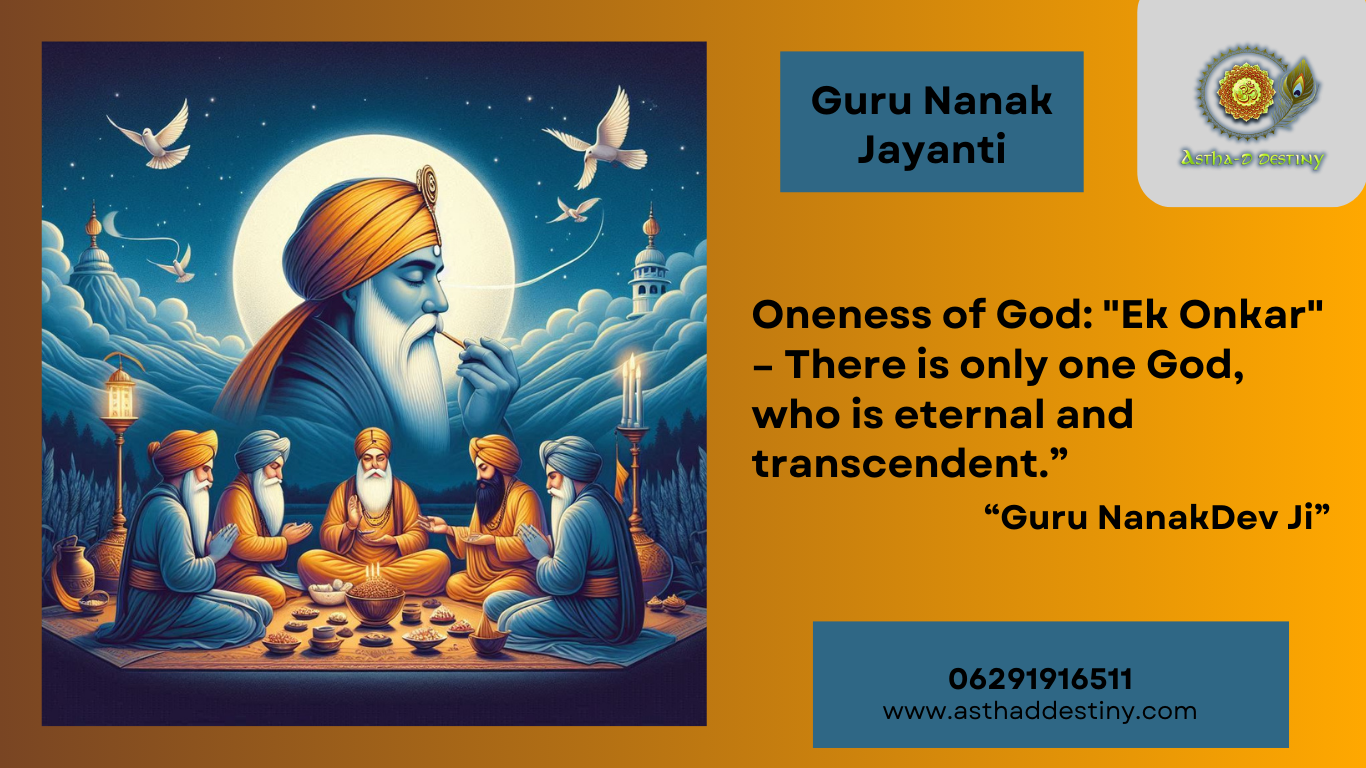
  1. Oneness of God: “Ek Onkar” – There is only one God, who is eternal and transcendent.
  2. Equality of All: Guru Nanak preached that all human beings are equal, regardless of their caste, color, or gender.
  3. Selfless Service (Seva): Engaging in acts of kindness and service to others, especially the needy, was central to Guru Nanak’s teachings.
  4. Honest Living (Kirat Karni): Guru Nanak emphasized the importance of earning a livelihood through honest means.
  5. Devotion to God’s Name (Naam Japna): Meditation on God’s name and living a life dedicated to spiritual growth.

Significance of Guru Nanak Jayanti

Guru Nanak Jayanti is not just a celebration of the birth of Guru Nanak Dev Ji, but also a time to reflect on his teachings and the values that he imparted. The day serves as a reminder to Sikhs and people of all faiths to lead a life of compassion, humility, and service to others. Guru Nanak’s vision of a just and harmonious society continues to inspire people to break barriers and work towards social justice, equality, and the welfare of all.

Guru Nanak Jayanti is an opportunity to revisit and embrace his teachings, which are more relevant than ever in today’s world, where issues of inequality, social injustice, and religious intolerance persist. The message of Guru Nanak transcends all boundaries of religion and culture, making it an inclusive celebration of humanity.

Rituals and Traditions of Guru Nanak Jayanti

Guru Nanak Jayanti is celebrated with great devotion and reverence by Sikhs across the world, particularly in Punjab, India, where the festival is observed with special zeal. The celebrations usually begin two days before the actual date of Guru Nanak’s birth anniversary, with a series of religious ceremonies and community activities.

1. Prabhat Pheri (Morning Procession)

The celebrations begin early in the morning with Prabhat Pheri, a religious procession that takes place in gurdwaras (Sikh temples). Devotees gather to sing hymns, known as Shabad Kirtan, and recite prayers in honor of Guru Nanak. These processions move through the streets, spreading spiritual vibrations and inviting the community to participate in the festivities. The singing of hymns is accompanied by the beating of the dhol (drums) and the playing of musical instruments like the tabla.

2. Akhand Path (Non-Stop Reading of the Guru Granth Sahib)

One of the major traditions of Guru Nanak Jayanti is the Akhand Path, which involves the continuous recitation of the Guru Granth Sahib, the holy scripture of Sikhism. The Akhand Path begins a day before the festival and continues until the morning of Guru Nanak’s birthday. Devotees gather in gurdwaras to listen to the recitation, and this practice helps to imbibe the teachings of Guru Nanak Dev Ji.

3. Langar (Community Kitchen)

On Guru Nanak Jayanti, gurdwaras serve free meals to all visitors, regardless of their background or social status. This practice, known as Langar, was initiated by Guru Nanak himself, as a means to promote equality and selfless service. Volunteers in gurdwaras cook and serve food as a way of honoring Guru Nanak’s teachings of sharing, equality, and generosity. The communal meal is a symbol of unity and brotherhood.

4. Gurdwara Decorations and Celebrations

On Guru Nanak Jayanti, gurdwaras are beautifully decorated with flowers, lights, and flags. Special prayers are held, and the Guru Granth Sahib is read aloud. Sikhs participate in Kirtan, which involves the singing of devotional hymns and music. The gurdwara’s atmosphere is filled with devotion, peace, and love, and it becomes a center for reflection and spiritual upliftment.

5. Processions and Nagar Kirtans

In many cities and towns, processions called Nagar Kirtans are held. These processions involve the singing of hymns and the carrying of the Guru Granth Sahib in a decorated palanquin. The entire community participates in these vibrant, joyful processions, which are accompanied by chanting and prayer.

6. Special Prayers and Shabad Kirtan

Devotees gather at gurdwaras to offer special prayers, recite the Japji Sahib (a morning prayer composed by Guru Nanak), and listen to Shabad Kirtan (devotional singing of hymns). These spiritual practices help to invoke the blessings of Guru Nanak and provide an opportunity for Sikhs to connect with the divine.

7. Charity and Acts of Kindness

Guru Nanak’s teachings emphasize selflessness, kindness, and helping others. Many people donate money, food, or clothes to those in need during the Guru Nanak Jayanti celebrations. Acts of charity and kindness reflect Guru Nanak’s message of compassion and service to humanity.

Celebrating Guru Nanak Jayanti Around the World

Guru Nanak Jayanti is celebrated by Sikhs across the globe, from India to countries such as Canada, the United Kingdom, the United States, and Australia. Sikhs from various parts of the world gather in gurdwaras to mark the occasion with prayers, community meals, and processions. In places with large Sikh communities, the celebrations often include cultural programs, performances, and gatherings that highlight Guru Nanak’s contributions to spirituality and society.

The Golden Temple in Amritsar, India, which is one of the most important religious sites for Sikhs, witnesses large-scale celebrations on this day. Pilgrims from all over the world visit the Golden Temple to pay homage to Guru Nanak Dev Ji and participate in the festivities.

Spiritual Significance of Guru Nanak Jayanti

Guru Nanak Jayanti is a time for Sikhs to reflect on the teachings of Guru Nanak and how they can incorporate his principles into their daily lives. The celebration is not just about rituals; it’s about embracing the core values of Sikhism—equality, devotion, service, and spirituality. Guru Nanak’s message of oneness, unity, and peace is more relevant than ever, especially in a world filled with divisions and conflicts.

The celebration of Guru Nanak Jayanti also serves as a reminder to strive for spiritual growth, to live a truthful and honest life, and to dedicate oneself to the service of humanity. It is a day to renew one’s commitment to Guru Nanak’s teachings and to work towards building a compassionate and harmonious world.

Conclusion

Guru Nanak Jayanti is a joyous and meaningful celebration for Sikhs and for all those who seek peace, unity, and equality. It is a day to honor the legacy of Guru Nanak Dev Ji and to reflect on the profound wisdom he imparted. Through prayers, hymns, community service, and acts of charity, Sikhs around the world celebrate Guru Nanak’s teachings and spread his message of love, equality, and devotion to God.

On this day, people of all backgrounds are reminded that we are all equal in the eyes of the divine, and that the true path to spiritual enlightenment lies in love, service, and devotion to the One. Guru Nanak’s teachings continue to guide us towards a better and more compassionate world, making Guru Nanak Jayanti a truly special and spiritually enriching occasion.

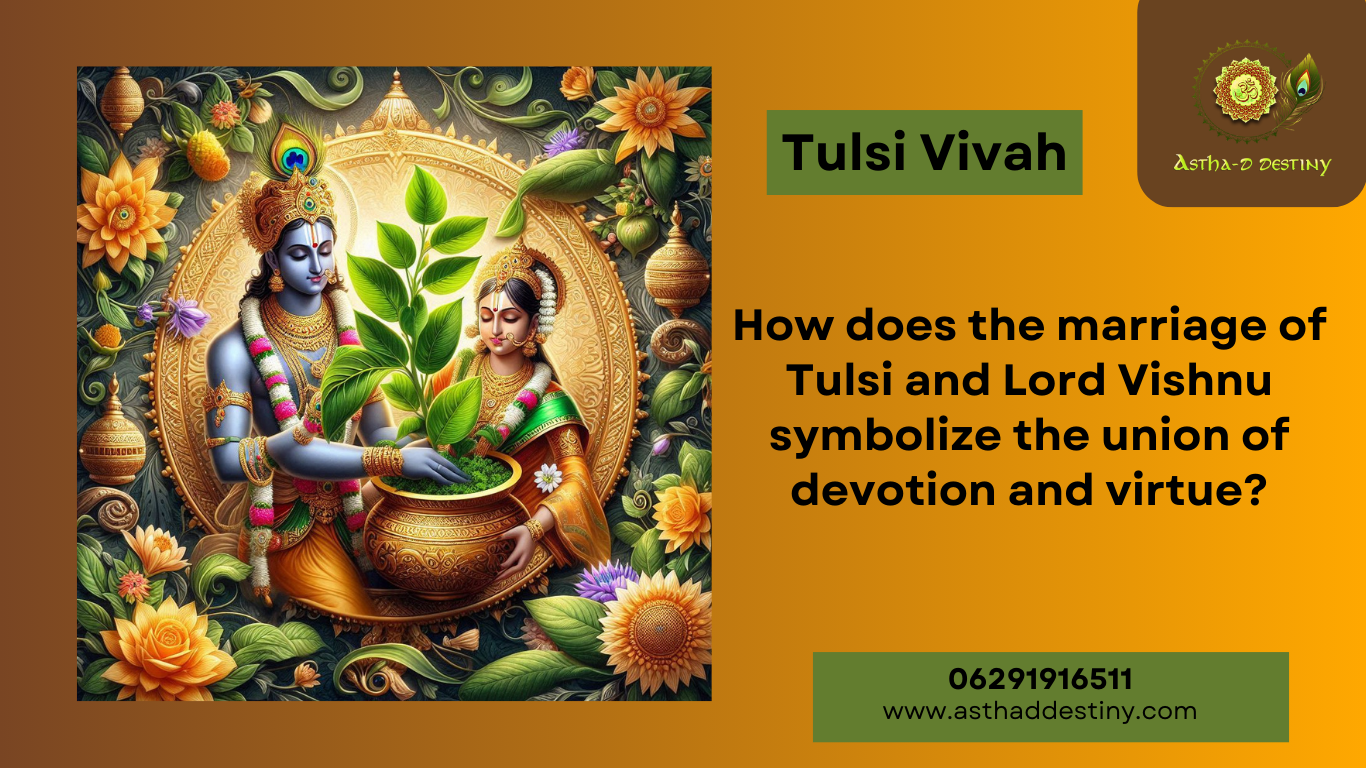
Tulsi Vivah: The Sacred Wedding of Tulsi and Lord Vishnu

Introduction

Tulsi Vivah is a significant Hindu festival that celebrates the marriage of the sacred Tulsi plant (Holy Basil) to Lord Vishnu, specifically to his incarnation, Lord Krishna. This festival typically takes place during the month of Kartika (October-November) and is one of the most revered occasions in Hindu households. Tulsi, known as the “queen of herbs,” is considered highly sacred in Hinduism and is believed to possess divine qualities. The festival of Tulsi Vivah holds not only spiritual importance but also carries cultural and ritualistic significance.

In this blog, we will explore the mythological background, the importance of Tulsi, the customs and rituals of Tulsi Vivah, its spiritual significance, and how it is celebrated across India.

Mythological Background of Tulsi Vivah

The story behind Tulsi Vivah is deeply rooted in Hindu mythology. Tulsi is said to be a celestial woman who was cursed to be transformed into a plant. According to one popular myth, Tulsi was originally a beautiful princess named Vrinda. Vrinda was a devout worshipper of Lord Vishnu and was deeply devoted to him. Lord Vishnu, enchanted by her devotion, wanted to test her faith. He disguised himself as her husband, Jalandhar, a demon king, and tricked her.

When Vrinda learned of Lord Vishnu’s deception, she became heartbroken and cursed him. As a result of her curse, Lord Vishnu was transformed into the stone idol of Shaligram and could no longer have any form of union with her. Vrinda, in turn, was cursed to become a plant on Earth. After her curse, she turned into the Tulsi plant, which is regarded as sacred and revered by Hindus.

It is believed that Lord Vishnu, in the form of Lord Krishna, then married Tulsi in an attempt to redeem himself from the curse and restore her honor. Thus, the Tulsi Vivah symbolizes the divine union of Tulsi and Lord Vishnu, restoring purity, devotion, and virtue.

Significance of Tulsi in Hinduism

The Tulsi plant holds immense significance in Hinduism. Revered as a goddess, Tulsi is considered an embodiment of purity and devotion. She is worshipped in most Hindu households and is often found in courtyards and temples. Tulsi is also a symbol of health and prosperity. It is believed that by worshipping Tulsi, a person can overcome difficulties, gain divine blessings, and lead a virtuous life.

The leaves of the Tulsi plant are also an essential part of many religious rituals. They are used in offerings to deities, particularly to Lord Vishnu and Lord Krishna. The plant is believed to purify the environment and bring positive energy, which is why it is often planted in the homes of devout Hindus.

Tulsi has medicinal properties as well and is often used in Ayurveda for its healing effects. Its leaves are said to have a calming and purifying effect on the body and mind, making it an important herb in both spiritual and health practices.

The Rituals and Customs of Tulsi Vivah

Tulsi Vivah is celebrated with great devotion and enthusiasm, particularly in northern and western parts of India. The festival marks the beginning of the wedding season, as it is considered the ideal time for marriages in Hindu tradition. Here’s a look at the various rituals associated with this sacred event.

Preparation for Tulsi Vivah

The preparation for Tulsi Vivah begins a day before the festival, on the day of Dwadashi, when devotees clean their homes and the area around the Tulsi plant. The plant is decorated with colorful garlands, and a small mandap (a wedding canopy) is set up around it. People also prepare offerings such as fruits, sweets, and flowers for the ceremony.

It is common to fast or observe a day of fasting on the day of the festival. Many people also perform a ritual of “Tulsi’s bridal bath,” where they bathe the plant in water and milk to purify it and prepare it for the wedding ceremony.

Tulsi Vivah Ceremony

The actual Tulsi Vivah ceremony typically takes place in the evening and is performed by priests or family members. The rituals are akin to a traditional Hindu wedding and include the following steps:

  1. Invocation of Lord Vishnu: The ceremony begins with the worship of Lord Vishnu. Mantras and hymns are chanted to invoke his blessings, and offerings of flowers, fruits, and Tulsi leaves are made to the deity.
  2. Marriage of Tulsi and Lord Vishnu: A symbolic wedding takes place between the Tulsi plant and an idol of Lord Vishnu, which is usually in the form of Lord Krishna. The priest or family members perform the rituals like those of a marriage ceremony—exchanging garlands, applying sindoor (vermilion), and tying a sacred knot. This is often done with great reverence and devotion, as the union of Tulsi and Vishnu represents the triumph of devotion over adversity.
  3. Prayers for Prosperity: After the marriage rituals, prayers are offered for the well-being and prosperity of the family. The couple’s blessings are sought for happiness, wealth, and peace in the household.
  4. Distribution of Prasad: At the end of the ceremony, the offerings made during the puja, known as prasad, are distributed to the devotees and family members. Tulsi leaves, flowers, and sweets are given as a token of blessings.
  5. Kanya Daan (Giving away the bride): This part of the ritual symbolizes the giving away of the bride. Tulsi, symbolizing Vrinda, is treated with great respect and reverence as she is “married” to Lord Vishnu. This act signifies the unity of devotion and purity.

Post-Ceremony Rituals

Following the wedding ceremony, some families also conduct a feast or celebration with friends and relatives. Special dishes are prepared, and the significance of Tulsi Vivah is shared with everyone in attendance. People continue to worship the Tulsi plant throughout the year, but the Tulsi Vivah is considered a particularly auspicious day for honoring it.

Spiritual Significance of Tulsi Vivah

Tulsi Vivah holds deep spiritual significance. It is believed that by observing the rituals of Tulsi Vivah, one can receive the divine blessings of Lord Vishnu and the sacred Tulsi plant. The festival symbolizes the triumph of virtue, devotion, and purity. Here’s a look at the spiritual significance of Tulsi Vivah:

Purification of Mind and Soul

Tulsi Vivah is an occasion to purify the mind and soul. The rituals associated with the festival help cleanse the devotees of their sins and negative energies. It is believed that by performing the ceremony, one can attain spiritual growth and gain divine blessings.

Blessings for Prosperity and Health

Worshipping Tulsi during Tulsi Vivah is said to bring prosperity and health to the household. Tulsi is believed to have the power to ward off evil energies and promote harmony in the home. It is also considered a powerful remedy for various physical and mental ailments. Tulsi leaves are often used in Ayurveda for their healing properties, and consuming them is said to provide numerous health benefits.

Significance of Devotion and Faith

The marriage of Tulsi and Lord Vishnu signifies the importance of devotion and faith in one’s life. Tulsi’s devotion to Lord Vishnu, despite the trials she faced, serves as an inspiration for believers to stay devoted and steadfast in their faith, even in difficult times. The festival encourages people to cultivate devotion, perseverance, and virtue in their daily lives.

Tulsi Vivah Across India

Tulsi Vivah is celebrated differently in various parts of India, but the central theme remains the same—honoring the sacred Tulsi plant and its union with Lord Vishnu. Let’s take a look at how this festival is celebrated in different regions:

  • Uttar Pradesh: In regions like Varanasi and Mathura, Tulsi Vivah is celebrated with much grandeur. Devotees decorate the Tulsi plant with colorful flowers, and the wedding ceremony is conducted with great pomp. Many families also visit temples dedicated to Lord Vishnu to participate in the celebrations.
  • Maharashtra and Gujarat: In Maharashtra and Gujarat, Tulsi Vivah marks the start of the wedding season. People prepare delicious sweets and dishes for the occasion, and Tulsi plants are decorated with garlands. The wedding ceremony is conducted with rituals similar to a traditional marriage.
  • Southern India: In Tamil Nadu and Karnataka, the ritual of Tulsi Vivah is observed with reverence. The Tulsi plant is worshipped, and the wedding ceremony is performed in temples dedicated to Lord Vishnu. Some families also organize cultural programs and processions to mark the occasion.
  • Rural India: In rural India, where access to temples may be limited, Tulsi Vivah is celebrated in homes with the same devotion. Villagers gather to celebrate the festival with prayers, offerings, and feasts.

Conclusion

Tulsi Vivah is a deeply spiritual and culturally significant festival that honors the sacred Tulsi plant and its divine union with Lord Vishnu. It serves as a reminder of the importance of devotion, faith, and purity in our lives. By observing the rituals of Tulsi Vivah, devotees seek blessings for prosperity, health, and spiritual growth. It is a celebration of love, devotion, and the eternal connection between the divine and the earthly realms. Whether celebrated with grand ceremonies or intimate family rituals, Tulsi Vivah continues to inspire and uplift the hearts of millions.

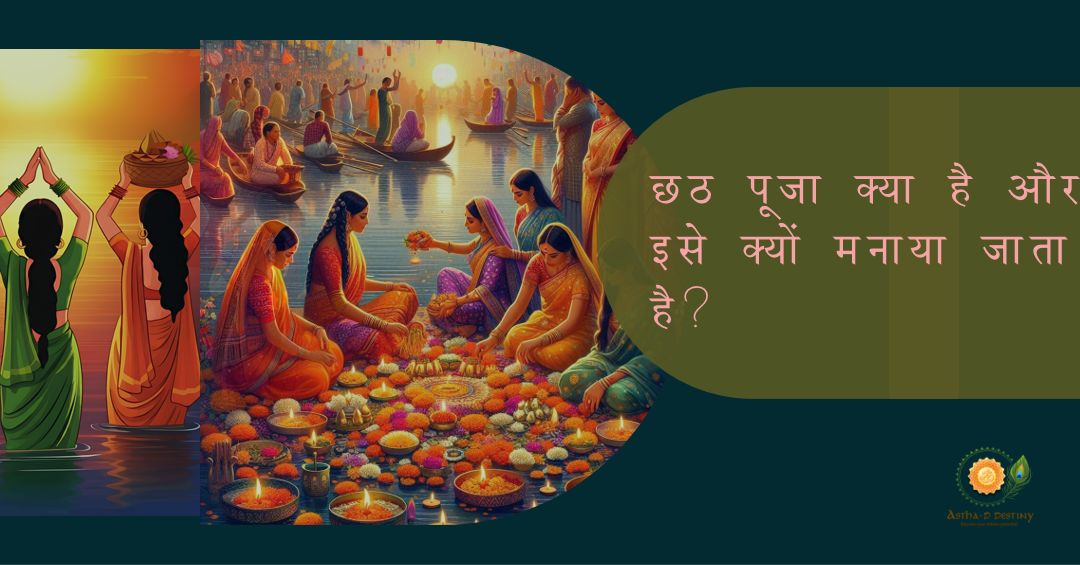
Chhath Puja: A Celebration of Nature and Gratitude

प्रस्तावना

छठ पूजा, जिसे छठ महापर्व के नाम से भी जाना जाता है, भारत में विशेष रूप से बिहार, झारखंड और उत्तर प्रदेश के कुछ हिस्सों में मनाया जाता है। यह पर्व सूर्य देवता और छठी मैया की आराधना का पर्व है, जो मुख्य रूप से चार दिन मनाया जाता है। इस ब्लॉग में हम छठ पूजा के महत्व, इसकी विधियों, पौराणिक कथाओं और वैज्ञानिक दृष्टिकोण को विस्तार से समझेंगे।

छठ पूजा का तिथि और समय

      2024 के लिए छठ पूजा की तिथियाँ:

  • नहाय खाय: 4 नवंबर 2024
  • खरना: 5 नवंबर 2024, दोपहर 12:25 बजे से 1:30 बजे तक
  • सूर्य अर्घ्य: 6 नवंबर 2024, सुबह 6:48 बजे

छठ पूजा का महत्व

छठ पूजा का मुख्य उद्देश्य सूर्य देवता और छठी मैया की कृपा प्राप्त करना है। इस दिन भक्त सूर्य की पहली किरण के साथ उन्हें अर्घ्य अर्पित करते हैं। इस पर्व का उद्देश्य न केवल भक्ति है, बल्कि यह हमारी प्रकृति और पर्यावरण के प्रति कृतज्ञता भी है।

प्रस्तावना

छठ पूजा भारतीय संस्कृति का एक महत्वपूर्ण पर्व है, जो मुख्य रूप से उत्तर भारत के राज्यों, विशेषकर बिहार और झारखंड में मनाया जाता है। यह पर्व सूर्य देवता और छठी मैया की आराधना का पर्व है। छठ पूजा का पौराणिक महत्व गहरा है, जिसमें भक्तों की भक्ति, समर्पण और प्राकृतिक तत्वों के प्रति कृतज्ञता की भावना निहित है। इस ब्लॉग में हम छठ पूजा की पौराणिक कथाओं, उनकी गहराई और आध्यात्मिक महत्व को विस्तार से समझेंगे।

पौराणिक कथा

छठ पूजा का संबंध अनेक पौराणिक कथाओं से है, जो सूर्य देवता के प्रति भक्तों की श्रद्धा और समर्पण को दर्शाती हैं। इन कथाओं में से एक प्रसिद्ध कथा है भगवान राम और माता सीता की।

भगवान राम और माता सीता की कथा

एक समय की बात है जब भगवान राम, माता सीता और उनके छोटे भाई लक्ष्मण को वनवास मिला। यह समय बहुत कठिनाइयों से भरा था, और इस दौरान माता सीता ने भगवान राम से कहा कि उन्हें अपनी संतान का कल्याण करना है।

माता सीता ने राम से कहा, “यदि हम अपने बच्चों के लिए सुख और समृद्धि की कामना करते हैं, तो हमें सूर्य देवता की आराधना करनी चाहिए।” भगवान राम ने माता सीता की बातों का सम्मान किया और एक योजना बनाई।

उन्होंने सूर्य देवता की आराधना करने का निर्णय लिया। उन्होंने एक विशेष पूजा का आयोजन किया, जिसमें उन्होंने न केवल सूर्य देवता की पूजा की बल्कि सभी भक्तों को भी आमंत्रित किया।

इस पूजा में विशेष रूप से खरना के दिन पकवानों का भोग अर्पित किया गया। इस दिन चावल, गुड़ और विभिन्न प्रकार के फलों का विशेष महत्व होता है। यह दिन विशेष रूप से उत्सव का प्रतीक है, जिसमें भक्त विशेष पकवानों को सूर्य देवता को अर्पित करते हैं, यह मानते हुए कि इससे उनकी संतान की रक्षा और समृद्धि होगी।

छठ पूजा के तत्व

छठ पूजा में कई महत्वपूर्ण तत्व हैं, जो इस पर्व को विशेष बनाते हैं। ये तत्व न केवल धार्मिक बल्कि सामाजिक और सांस्कृतिक भी हैं।

  1. सूर्य देवता की आराधना: सूर्य देवता को जीवन का स्रोत माना जाता है। इस पूजा के माध्यम से भक्त सूर्य की पहली किरण के साथ उन्हें अर्घ्य अर्पित करते हैं, जिससे उनकी कृपा प्राप्त होती है।
  2. छठी मैया का महत्व: छठी मैया को समर्पित इस पर्व में विशेष रूप से उनके प्रति श्रद्धा और प्रेम प्रकट किया जाता है। कहा जाता है कि छठी मैया कठिनाइयों का सामना करने की शक्ति देती हैं।
  3. पारिवारिक एकता: छठ पूजा का पर्व परिवार के सभी सदस्यों को एकत्रित करने का अवसर प्रदान करता है। इस दिन सभी सदस्य एक साथ मिलकर पूजा करते हैं और एक-दूसरे के साथ अपने अनुभव साझा करते हैं।
  4. प्राकृतिक तत्वों का सम्मान: इस पर्व के माध्यम से भक्त प्राकृतिक तत्वों, विशेषकर सूर्य और जल का सम्मान करते हैं। यह हमारी प्राकृतिक संसाधनों के प्रति जागरूकता को बढ़ावा देता है।

खरना का महत्व

खरना छठ पूजा का दूसरा दिन होता है, जो इस पर्व का एक महत्वपूर्ण हिस्सा है। इस दिन भक्त उपवास रखते हैं और विशेष पकवानों का भोग अर्पित करते हैं।

  1. उपवास: इस दिन भक्त सूर्योदय से पहले स्नान करके उपवास का संकल्प लेते हैं। यह उपवास केवल भक्ति का प्रतीक नहीं है, बल्कि आत्म अनुशासन और संयम का भी प्रतीक है।
  2. पकवानों का भोग: खरना के दिन विशेष पकवान तैयार किए जाते हैं, जिसमें खीर, गुड़ और चावल का विशेष महत्व होता है। यह पकवान सूर्य देवता को अर्पित किए जाते हैं, और भक्त उन्हें प्रसाद के रूप में ग्रहण करते हैं।
  3. सामाजिक एकता: इस दिन महिलाएं एक साथ मिलकर पूजा करती हैं और एक-दूसरे के साथ अपने व्रत के अनुभव साझा करती हैं। यह एकता और सहानुभूति का प्रतीक है।

भौतिक समृद्धि का प्रतीक

छठ पूजा केवल आध्यात्मिक नहीं है, बल्कि यह भौतिक समृद्धि का भी प्रतीक है।

  1. धन और समृद्धि: इस पूजा को करने से भक्तों को धन और समृद्धि की प्राप्ति होती है। खासकर महिलाएं इस दिन अपने पति और परिवार के कल्याण की कामना करती हैं।
  2. स्वास्थ्य और कल्याण: छठ पूजा के माध्यम से भक्त सूर्य देवता से अपने परिवार के स्वास्थ्य और कल्याण की कामना करते हैं।
  3. पर्यावरण संरक्षण: इस पर्व का एक उद्देश्य हमारे पर्यावरण के प्रति जागरूकता बढ़ाना भी है। यह हमें सूर्य, जल, और पृथ्वी के महत्व को समझाता है।

छठ पूजा के चार दिन

छठ पूजा के चार दिन होते हैं, जिनमें विभिन्न विधियाँ और रीति-रिवाज होते हैं:

1. नहाय खाय

पहला दिन नहाय खाय के नाम से जाना जाता है। इस दिन भक्त स्नान करके शुद्ध होते हैं और विशेष आहार ग्रहण करते हैं। इस दिन का मुख्य भोजन दाल, चावल, और कद्दू की सब्जी होती है। इसे प्राकृतिक रूप से तैयार किया जाता है और इसमें किसी भी प्रकार का मसाला नहीं डाला जाता।

2. खरना

दूसरा दिन खरना होता है। इस दिन भक्त उपवास करते हैं और शाम को विशेष पूजा करते हैं। इस दिन मीठा भोजन जैसे खीर, गुड़ और चावल तैयार किए जाते हैं। सूर्य देवता को अर्घ्य देने से पहले इन पकवानों का भोग अर्पित किया जाता है।

3. सूर्य अर्घ्य

तीसरे दिन सूर्य अर्घ्य दिया जाता है। भक्त सुबह जल्दी उठकर स्नान करते हैं और फिर सूर्य की पहली किरण के साथ अर्घ्य अर्पित करते हैं। इस दिन भक्त सूर्योदय से पूर्व नदी या जलाशय के किनारे जाते हैं। यहां वे विशेष थालियों में अन्न, फल, और फूलों के साथ सूर्य को अर्घ्य देते हैं।

4. पारण

छठ पूजा का अंतिम दिन पारण होता है। इस दिन भक्त उपवास तोड़ते हैं और परिवार के सभी सदस्य एक साथ बैठकर भोजन करते हैं।

छठ पूजा की विधि

छठ पूजा की विधियाँ सरल हैं, लेकिन इसके पीछे गहरी भावना और श्रद्धा होती है।

  1. स्नान: पूजा से पहले भक्तों को पवित्र नदी या जलाशय में स्नान करना होता है।
  2. आराधना: सूर्य देवता और छठी मैया की पूजा की जाती है।
  3. अर्घ्य: सुबह और शाम, दोनों समय सूर्य देवता को अर्घ्य अर्पित किया जाता है।
  4. भोजन: पारण के दिन सभी परिवार के सदस्य एक साथ भोजन करते हैं।

वैज्ञानिक दृष्टिकोण

छठ पूजा केवल धार्मिक ही नहीं, बल्कि वैज्ञानिक दृष्टिकोण से भी महत्वपूर्ण है। यह पूजा हमें प्रकृति के प्रति जागरूक करती है। सूर्य की किरणें हमारे लिए आवश्यक विटामिन D का एक प्रमुख स्रोत हैं। इसके अलावा, सूर्य की पूजा करने से हम अपनी जीवनशैली में संतुलन बनाने के लिए प्रेरित होते हैं।

छठ पूजा का सामाजिक पहलू

छठ पूजा का एक महत्वपूर्ण पहलू यह है कि यह सामाजिक एकता को बढ़ावा देती है। इस दिन लोग एकत्र होते हैं, एक-दूसरे के साथ समय बिताते हैं और पारिवारिक बंधनों को मजबूत करते हैं।

निष्कर्ष

छठ पूजा एक महत्वपूर्ण पर्व है, जो न केवल भक्ति का प्रतीक है, बल्कि यह हमारी संस्कृति, परंपरा और पर्यावरण के प्रति हमारी जिम्मेदारियों को भी दर्शाता है। इस दिन की आराधना हमें सूर्य देवता की कृपा प्राप्त करने और अपने जीवन में सकारात्मकता लाने का अवसर देती है।

छठ पूजा के इस महापर्व पर सभी को शुभकामनाएँ!

Dev Uthani Ekadashi: भगवान विष्णु के जागरण का पर्व

परिचय

Dev Uthani Ekadashi का पर्व हिन्दू धर्म में अत्यंत महत्वपूर्ण माना जाता है। इसे “Dev Uthani Ekadashi” या “Prabodhini Ekadashi” भी कहा जाता है। इस दिन भगवान विष्णु का जागरण होता है, जो चार महीने तक शयन करते हैं, जिसे “चातुर्मास” कहा जाता है। इस दिन से धार्मिक क्रियाकलापों और विवाहों की शुरूआत होती है।

तिथि और समय

2024 में Dev Uthani Ekadashi की तिथि:

  • तिथि: 12 नवंबर 2024 (मंगलवार)
  • एकादशी तिथि प्रारंभ: 11 नवंबर 2024 को रात 10:29 बजे
  • एकादशी तिथि समाप्त: 12 नवंबर 2024 को रात 8:26 बजे

Dev Uthani Ekadashi का महत्व

Dev Uthani Ekadashi का पर्व भगवान विष्णु के प्रति भक्तों की श्रद्धा और भक्ति को प्रदर्शित करता है। इस दिन भगवान विष्णु के जागरण का उत्सव मनाया जाता है, जो भक्तों के लिए शुभ और फलदायी माना जाता है। यह दिन विशेष रूप से ध्यान और साधना के लिए उपयुक्त माना जाता है।

पौराणिक कथा: देव उत्थान एकादशी का महत्व

Dev Uthani Ekadashi का पर्व भारतीय संस्कृति और धार्मिक मान्यताओं में एक महत्वपूर्ण स्थान रखता है। यह पर्व न केवल भगवान विष्णु के प्रति श्रद्धा और भक्ति का प्रतीक है, बल्कि इसमें गहरी पौराणिक कथाएँ भी समाई हुई हैं। इस लेख में, हम Dev Uthani Ekadashi की पौराणिक कथा को विस्तार से समझेंगे, जिससे हमें इस पर्व का सही महत्व समझ में आ सके।

कथा का आरंभ

एक समय की बात है, जब देवताओं और असुरों के बीच एक बड़ा युद्ध चल रहा था। इस युद्ध में देवता असुरों पर भारी पड़े, लेकिन उनके पास निरंतर शक्ति और ऊर्जा की कमी थी। इस स्थिति में, उन्होंने भगवान विष्णु से सहायता मांगी। भगवान विष्णु, जो ब्रह्माण्ड के पालनकर्ता हैं, ने अपने भक्तों की भलाई के लिए एक अनोखा निर्णय लिया। उन्होंने यह तय किया कि वे चार महीने तक योगनिद्रा में प्रवेश करेंगे।

चातुर्मास का अवधारणा

भगवान विष्णु का यह योगनिद्रा में प्रवेश “चातुर्मास” के रूप में जाना जाता है। चातुर्मास का अर्थ है चार महीने का समय, जिसमें भगवान विष्णु ने पृथ्वी पर सभी जीवों को अपने स्नेह और संरक्षण से बचाने के लिए विश्राम करने का निर्णय लिया। यह समय विशेष रूप से वर्षा ऋतु के साथ मेल खाता है, जब प्राकृतिक संतुलन को बनाए रखना आवश्यक होता है।

भक्तों के लिए उपवास

इस अवधि के दौरान, भक्तों को उपवास रखने और विशेष पूजा-अर्चना करने की सलाह दी गई। उपवास का यह अभ्यास न केवल आध्यात्मिक विकास के लिए महत्वपूर्ण था, बल्कि यह स्वास्थ्य और स्वच्छता के लिए भी फायदेमंद था। भक्तों ने भगवान विष्णु के प्रति अपनी भक्ति और समर्पण को प्रदर्शित करने के लिए अपने जीवन से भौतिक सुख-सुविधाओं को अलग रखा।

जागरण का पर्व

चातुर्मास की समाप्ति के साथ ही, Dev Uthani Ekadashi का पर्व आता है। यह वह दिन है जब भगवान विष्णु अपनी योगनिद्रा से जागते हैं। इस दिन, भक्त विशेष रूप से पूजा करते हैं और उनकी आराधना करते हैं। भगवान के जागने के साथ, भक्तों की इच्छाएँ पूरी होती हैं और उन्हें मोक्ष की प्राप्ति का आश्वासन मिलता है।

इच्छाओं की पूर्ति

यह माना जाता है कि जब भगवान विष्णु जागते हैं, तो वे अपने भक्तों की सभी इच्छाओं को सुनते हैं। भक्त अपनी समर्पण भावना के साथ भगवान से प्रार्थना करते हैं और अपनी इच्छाओं को प्रकट करते हैं। इस दिन की पूजा से भक्तों के जीवन में सुख, शांति और समृद्धि का संचार होता है।

पूजा का विधि-विधान

Dev Uthani Ekadashi के दिन विशेष पूजा की जाती है। भक्त प्रातः काल उठकर स्नान करते हैं और उपवास का संकल्प लेते हैं। इसके बाद, वे भगवान विष्णु के लिए विशेष पूजा सामग्री तैयार करते हैं। पूजा में तुलसी, दीपक, चंदन, फल, मिठाई और अन्य सामग्रियों का उपयोग किया जाता है।

पूजा के समय, भक्त भगवान विष्णु के मंत्रों का जाप करते हैं और उनके प्रति अपनी भक्ति व्यक्त करते हैं। विशेष रूप से “ॐ नमो भगवते वासुदेवाय” और “ॐ विष्णवे नमः” जैसे मंत्रों का जाप किया जाता है।

साधना का महत्व

Dev Uthani Ekadashi केवल एक धार्मिक पर्व नहीं है, बल्कि यह साधना और ध्यान का भी समय है। भक्त इस दिन ध्यान और साधना के माध्यम से अपनी आत्मा को जागरूक करते हैं। इस दिन की साधना से व्यक्ति का मानसिक और आध्यात्मिक विकास होता है।

परिवारिक और सामाजिक एकता

Dev Uthani Ekadashi का पर्व न केवल व्यक्तिगत बल्कि सामूहिक एकता का भी प्रतीक है। इस दिन परिवार के सदस्य एक साथ मिलकर पूजा करते हैं, जिससे परिवार में प्रेम और सौहार्द बढ़ता है। समाज में भी यह पर्व एकजुटता की भावना को बढ़ावा देता है, जहाँ लोग एक-दूसरे के साथ मिलकर पूजा करते हैं और एक-दूसरे को शुभकामनाएँ देते हैं।

वैज्ञानिक दृष्टिकोण

Dev Uthani Ekadashi का पर्व केवल धार्मिक महत्व नहीं रखता, बल्कि इसमें वैज्ञानिक दृष्टिकोण भी है। उपवास का अभ्यास शारीरिक और मानसिक स्वास्थ्य के लिए लाभकारी होता है। यह शरीर को detoxify करने में मदद करता है और मानसिक स्पष्टता को बढ़ावा देता है।

Dev Uthani Ekadashi की पूजा विधि

Dev Uthani Ekadashi की पूजा विधि में कुछ विशेष बातें होती हैं:

  1. स्नान और उपवास: इस दिन भक्त प्रातः स्नान कर उपवास रखते हैं। यह उपवास भगवान विष्णु के प्रति अपनी भक्ति और श्रद्धा को प्रदर्शित करने का एक तरीका है।
  2. पूजा सामग्री: पूजा के लिए तुलसी, दीपक, चंदन, फूल, फल, मिठाई आदि का प्रयोग किया जाता है।
  3. मंत्रों का जाप: इस दिन भगवान विष्णु के विशेष मंत्रों का जाप किया जाता है। इन मंत्रों में “ॐ नमो भगवते वासुदेवाय” और “ॐ विष्णवे नमः” शामिल होते हैं।
  4. आरती और भोग: पूजा के बाद भगवान की आरती उतारी जाती है और उन्हें भोग अर्पित किया जाता है।
  5. कथा सुनना: इस दिन भक्तों को भगवान विष्णु की कथा सुनने का भी महत्व है।
  6. प्रसाद वितरण: पूजा के अंत में प्रसाद का वितरण किया जाता है, जिसे सभी भक्त खुशी-खुशी ग्रहण करते हैं।

समाज में Dev Uthani Ekadashi का स्थान

Dev Uthani Ekadashi न केवल धार्मिक पर्व है, बल्कि यह समाज में एकजुटता और सहयोग की भावना को भी बढ़ावा देता है। इस दिन कई लोग एकत्र होते हैं और एक-दूसरे के साथ पूजा करते हैं। यह पर्व परिवार और समाज के बीच संबंधों को मजबूत करने में मदद करता है।

संवेदनशीलता और साधना का महत्व

Dev Uthani Ekadashi का पर्व हमें ध्यान और साधना की ओर अग्रसर करता है। यह समय है आत्म-निरीक्षण करने का, अपनी इच्छाओं और उद्देश्यों पर ध्यान केंद्रित करने का। इस दिन की साधना से व्यक्ति का मानसिक और आध्यात्मिक विकास होता है।

विवाह का महत्व

Dev Uthani Ekadashi के दिन से विवाह समारोह का आरंभ होता है। इसे शुभ माना जाता है क्योंकि इस दिन भगवान विष्णु का जागरण होता है। कई परिवार इस दिन विवाह के लिए विशेष रूप से तिथि निर्धारित करते हैं, जिससे दांपत्य जीवन में सुख और समृद्धि का संचार होता है।

Dev Uthani Ekadashi की विशेषताएँ

  • भगवान विष्णु का जागरण: यह दिन भगवान विष्णु के जागरण का प्रतीक है, जो भक्तों के लिए विशेष महत्व रखता है।
  • साधना का अवसर: इस दिन साधकों के लिए ध्यान और साधना का विशेष महत्व है।
  • पारिवारिक संबंधों का सुदृढ़ीकरण: यह पर्व परिवार के सदस्यों के बीच संबंधों को मजबूत करने में मदद करता है।
  • धार्मिक उत्सव: यह पर्व समाज में एकजुटता और सहयोग की भावना को बढ़ावा देता है।

वैज्ञानिक दृष्टिकोण

Dev Uthani Ekadashi का पर्व केवल धार्मिक या पौराणिक महत्व नहीं रखता, बल्कि इसमें वैज्ञानिक दृष्टिकोण भी है। उपवास का अभ्यास शारीरिक और मानसिक स्वास्थ्य के लिए लाभकारी होता है। यह शरीर को detoxify करने में मदद करता है और मानसिक स्पष्टता को बढ़ावा देता है।

निष्कर्ष

Dev Uthani Ekadashi न केवल भगवान विष्णु के प्रति भक्ति का प्रतीक है, बल्कि यह हमें आत्म-निरीक्षण, साधना और समाज में सहयोग की भावना को बढ़ावा देने की प्रेरणा देता है। इस दिन की पूजा और व्रत करने से व्यक्ति के जीवन में सकारात्मकता, समृद्धि और आनंद का संचार होता है।

2024 में Dev Uthani Ekadashi का पर्व अपने साथ अनंत संभावनाएँ और नई शुरुआत का संदेश लाए। इसे मनाते हुए हमें अपनी आस्थाओं और परंपराओं को जीवित रखने का प्रयास करना चाहिए।

X
Book an appointment @ ₹199
Book an Appointment @ ₹199