What is Pradosh Vrat and Why is it So Powerful?
Pradosh Vrat is one of the most powerful and spiritually important Shiva vrats in Sanatan Dharma. Devotees observe it on Trayodashi Tithi, the thirteenth lunar day, in both Krishna Paksha and Shukla Paksha. This means it usually comes twice every month. But Pradosh Vrat is not important only because of the date.
This vrat becomes spiritually powerful when Trayodashi overlaps the evening Pradosh Kaal after sunset. That is why Pradosh Vrat is not just a tithi-based fast. It is a sacred twilight observance connected with Lord Shiva.
The word Pradosh refers to the twilight period after sunset, when day slowly changes into night. During this time, the outer world becomes quieter, daily activity slows down, and the mind naturally turns inward. In this peaceful state, Shiva upasana becomes especially powerful.
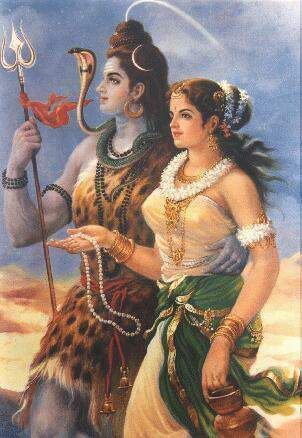
Pradosh Vrat is dedicated to Lord Shiva and Maa Parvati. Devotees observe it for peace, health, marriage harmony, karmic relief, obstacle removal, mental calm, and Shiva’s grace. It is one of the rare vrats that supports both spiritual growth and household stability.
The Mythological Importance of Pradosh Vrat
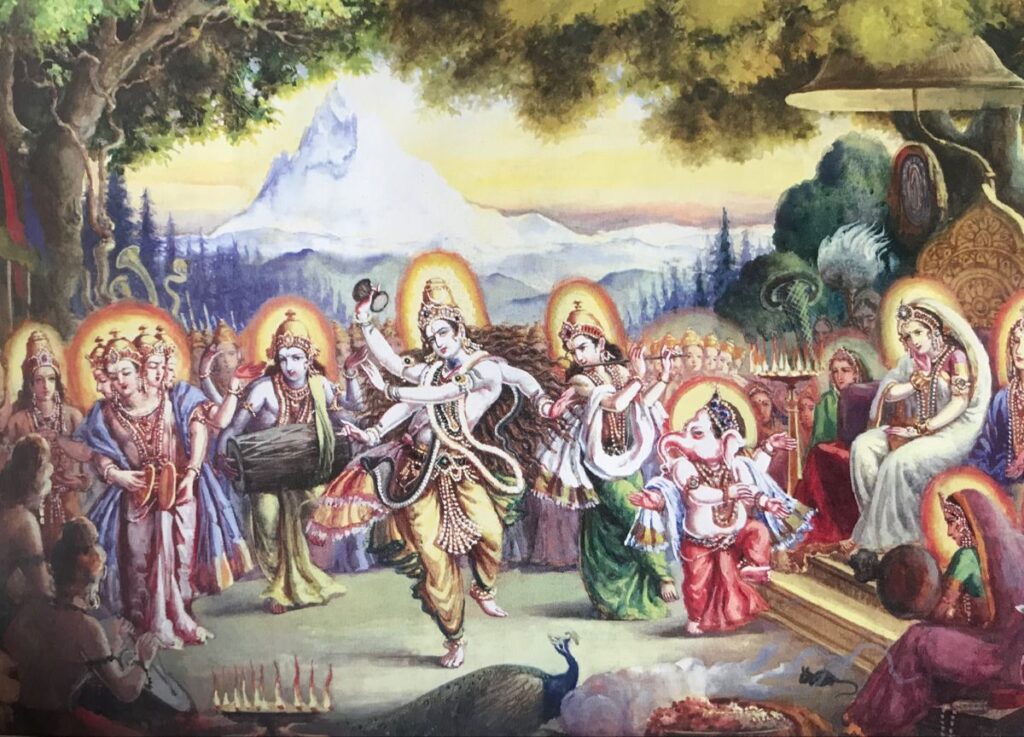
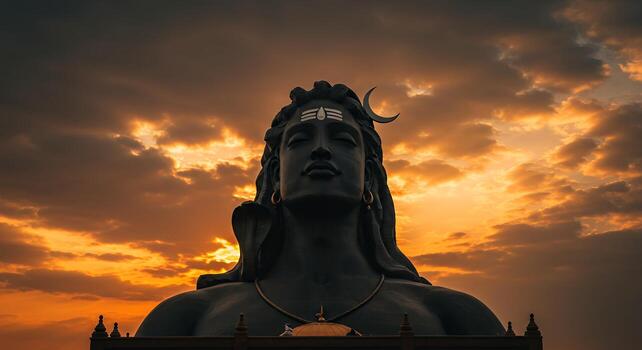
Pradosh Vrat becomes even more meaningful when we understand its mythological depth. One beloved belief says that during Pradosh Kaal, Lord Shiva performs His divine cosmic dance on Mount Kailash while the devas gather around Him in devotion.
This image is deeply symbolic. Shiva’s dance represents cosmic balance, while twilight represents transition. The gathering of the devas shows that even divine beings seek this sacred moment.
Another traditional story says that the devas once suffered from fear, karmic burden, and negative forces. During Pradosh Kaal, they approached Lord Shiva with devotion and prayers. Pleased with their surrender, Shiva removed their suffering and granted relief.
This is the emotional heart of Pradosh Vrat. When life feels heavy, blocked, or emotionally exhausting, Pradosh teaches one simple truth: approach Shiva during the sacred twilight hour.
The Deeper Spiritual Meaning of Pradosh Vrat
Pradosh Vrat is much deeper than simply fasting on Trayodashi. Its inner symbolism is powerful and transformative. Pradosh represents transition. Twilight represents the in-between state. Shiva represents the removal of ego, karmic heaviness, and inner noise.
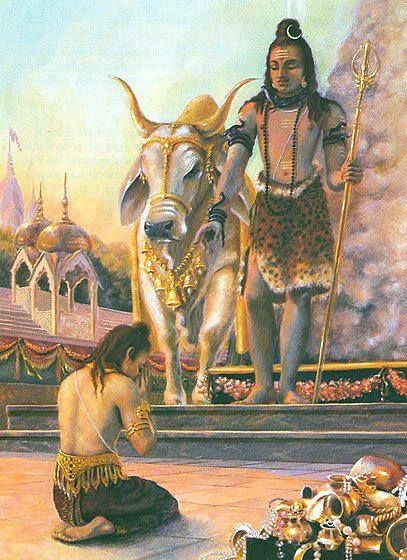
Fasting reduces the dominance of the body and sharpens spiritual awareness. Evening worship reflects turning inward after worldly exhaustion. Shiva and Parvati together symbolize balance, grace, compassion, stillness, and household blessing.
The deepest teaching of Pradosh Vrat can be understood in one simple line: real transformation happens in the in-between moments of life, not only at beginnings or endings.
That is why devotees believe this vrat helps remove doshas, karmic pressure, fear, negativity, debt stress, emotional heaviness, and blocked energy. Shiva is the force that breaks stagnation and clears what has become toxic or rigid in life.
When is Pradosh Vrat Observed?
The most important rule of Pradosh Vrat is simple. The vrat is observed on the day when Trayodashi Tithi remains active during Pradosh Kaal after sunset.
Many people become confused because they only check when Trayodashi begins. But the correct observance depends on whether Trayodashi is present during the evening twilight period.
Because of this rule, people sometimes see two possible dates. But the safest principle remains clear: if Trayodashi exists during Pradosh Kaal, that is the correct vrat day.
Since Pradosh appears in both lunar fortnights, devotees usually observe around 24 Pradosh Vrats every year. This makes Pradosh a repeated spiritual opportunity instead of a once-a-year festival.
How to Observe Pradosh Vrat
Pradosh Vrat does not require complicated rituals. It responds best to discipline, Shiva bhakti, evening worship, and sincerity. The day can begin with an early bath and a simple sankalp for peace, purification, and Shiva-Parvati’s grace.
Many devotees keep a fast through the day. Some observe Nirjala vrat, while others take fruits, milk, or one light sattvic meal depending on health and family tradition.
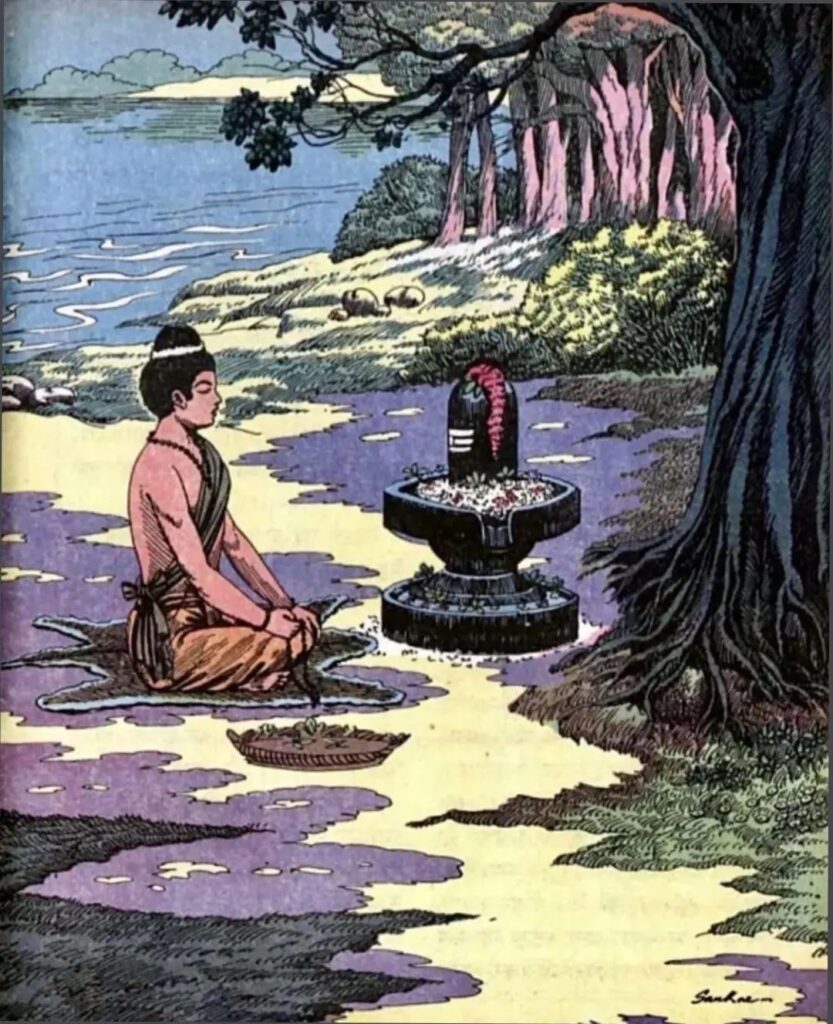
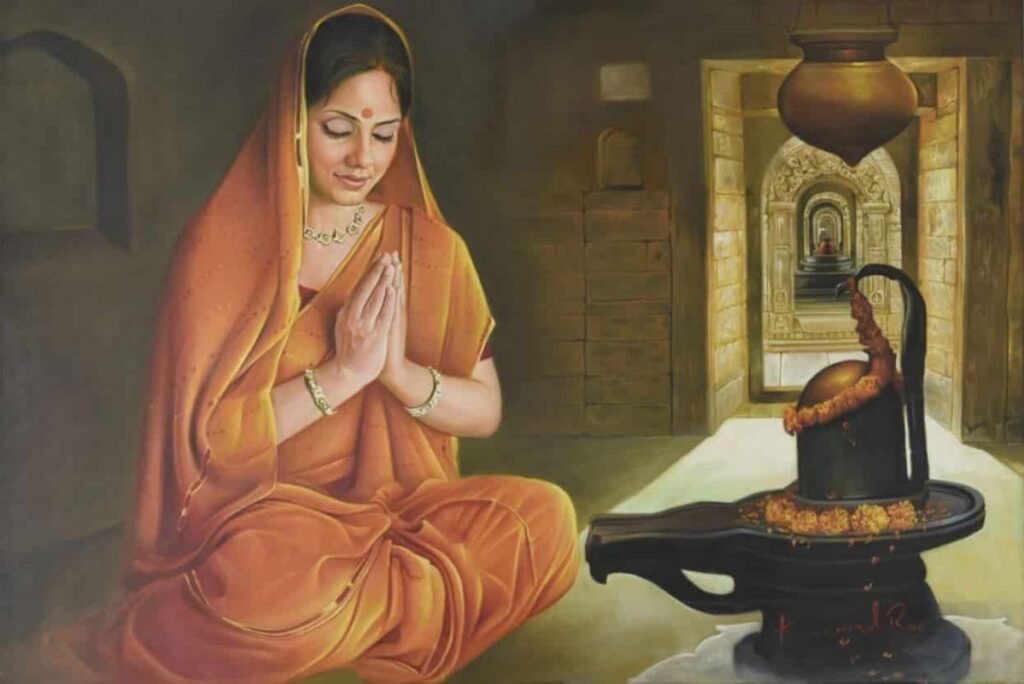
The most important part of the vrat is the evening puja during Pradosh Kaal. This is the heart of the observance. Devotees worship Lord Shiva and Maa Parvati, often with a Shivling and Nandi nearby.
Common offerings include water, milk, Gangajal, bel patra, white flowers, sandal paste, diya, incense, and fruits. Many devotees also perform abhishek with water, milk, Gangajal, or Panchamrit.
The most powerful and simple mantra for Pradosh Vrat is “Om Namah Shivaya,” ideally chanted 108 times.
Other popular prayers include Maha Mrityunjaya Mantra, Shiv Chalisa, Rudrashtakam, Shiva Tandava Stotram, Lingashtakam, and Pradosh Vrat Katha.
After the puja, many devotees sit silently for a few minutes. This quiet time feels especially powerful because Pradosh is a transition vrat, and silence helps the mind absorb its spiritual energy.
The fast may then be broken after the evening worship or later at night with sattvic food, depending on family tradition.
What Not to Do on Pradosh Vrat
On Pradosh Vrat, devotees should avoid anger, lying, harsh speech, arguments, tamasic food, intoxicants, laziness, and ego-based ritualism.
One of the biggest mistakes is fasting through the day but skipping the evening puja. The true heart of Pradosh is not only the fast. It is the twilight worship after sunset.
Pradosh Vrat is deeply loved in household life because Shiva and Parvati together bless peace, stability, marriage harmony, patience, forgiveness, and emotional grounding.
At its deepest level, Pradosh Vrat teaches one emotional truth: the most powerful prayer often comes after life has exhausted you. That is why Pradosh feels so personal and comforting for many devotees.
