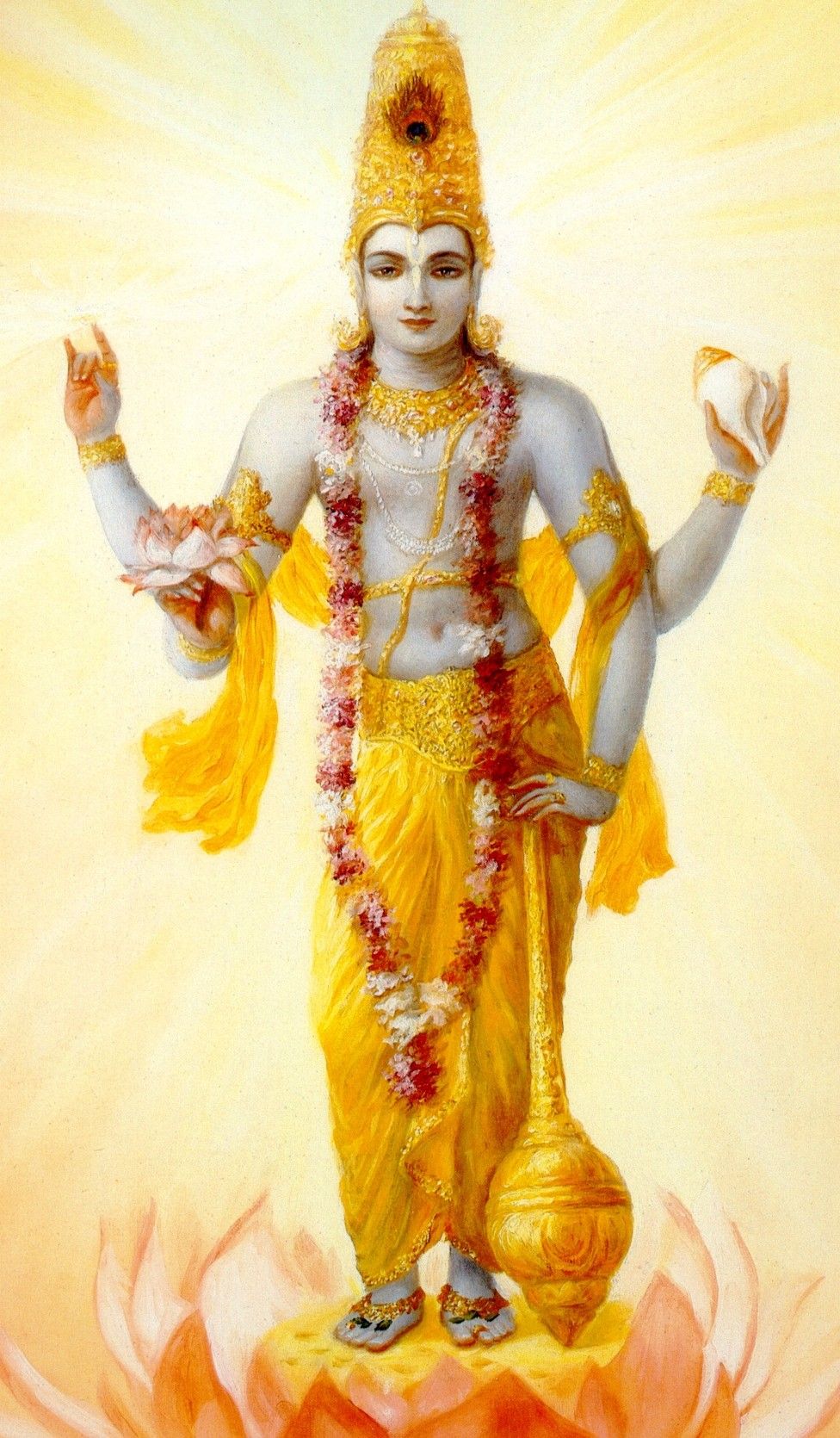
What is Satyanarayan Vrat?
Satyanarayan Vrat is one of the most loved Vishnu vrats in Hindu tradition. Devotees perform this vrat for peace, prosperity, family harmony, and divine blessings. It is dedicated to Lord Satyanarayan, a sacred form of Lord Vishnu.
The word “Satya” means truth, and “Narayan” means Lord Vishnu. Together, the name means “The Lord who is Truth.” That is why this vrat is deeply connected with honesty, gratitude, promises, and faith.
Many families perform Satyanarayan Vrat after wishes come true. People also do this vrat during housewarming ceremonies, marriages, birthdays, new jobs, business beginnings, and Purnima. This vrat is not based on fear. It is a beautiful prayer of devotion, trust, and gratitude.
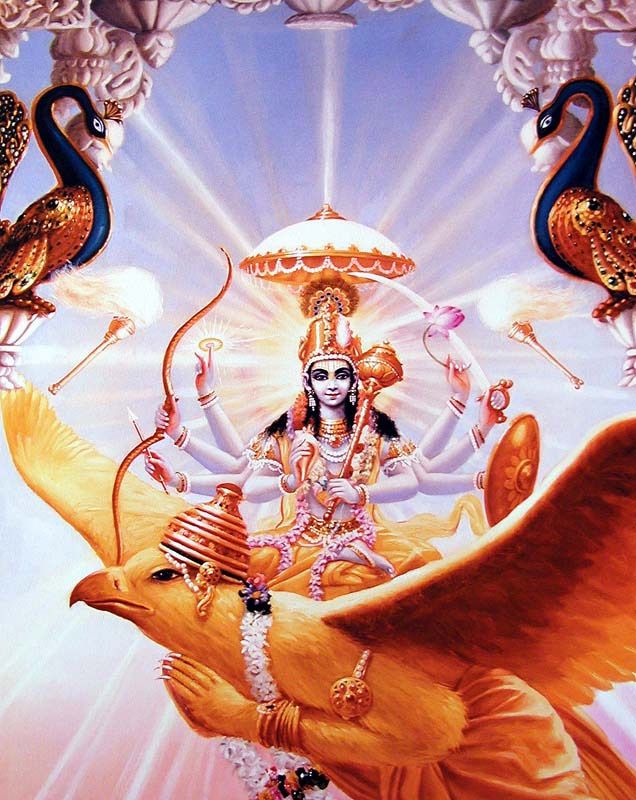
The Story Behind Satyanarayan Vrat
The story of Satyanarayan Vrat begins with Narada Muni. He saw people suffering from pain, poverty, stress, and hardship in Kali Yuga. Moved by compassion, he went to Lord Vishnu and asked for a simple vrat that could help people find peace and blessings.
Lord Vishnu then explained the greatness of Satyanarayan Vrat. He said devotees who perform this vrat with truth, devotion, katha, and sincerity receive peace, prosperity, and spiritual merit.
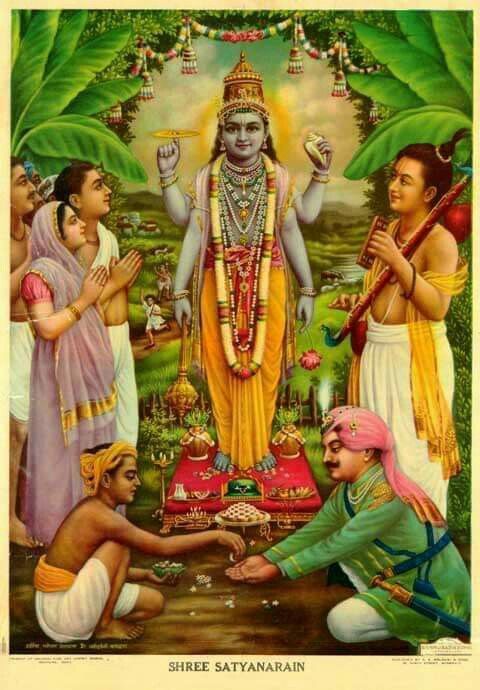
The vrat katha includes many stories. One famous story is about a poor Brahmin who performs the vrat sincerely and receives relief from hardship. Another story tells of a woodcutter whose life changes after worshipping Lord Satyanarayan with faith.
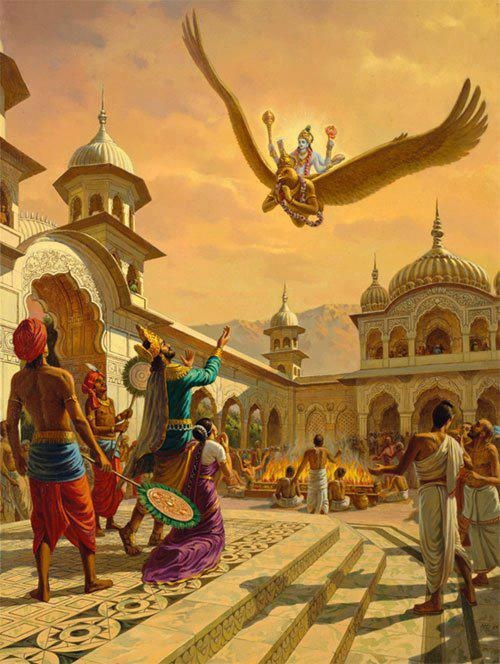
The most famous story is about a merchant named Sadhu Vaishya. He prayed for blessings and promised to perform the vrat after his wish came true. But after receiving success, he forgot his promise. Soon, he faced loss, pain, and trouble. Only after remembering the vrat and completing it sincerely did his peace and prosperity return.
Why is Satyanarayan Vrat So Powerful?
Satyanarayan Vrat is deeply powerful because it teaches spiritual truth through simple household life. The vrat reminds devotees that blessings should never create ego or forgetfulness. It teaches that gratitude is just as important as prayer.
This is why the Satyanarayan Katha matters so much. The stories teach honesty, humility, faith, and respect for promises made before God. The vrat also teaches that prosperity without truth cannot stay blessed for long.
That is why Satyanarayan Vrat feels emotional and deeply personal for many families.
When is Satyanarayan Vrat Performed?
Satyanarayan Vrat can be performed on many auspicious days. Many devotees prefer Purnima, but families also perform it after major life events and fulfilled wishes.
People commonly perform this vrat during Griha Pravesh, marriage, anniversaries, birthdays, new jobs, business openings, and after difficult phases in life. The simplest rule is to follow your family tradition with sincerity and devotion.

How to Perform Satyanarayan Vrat
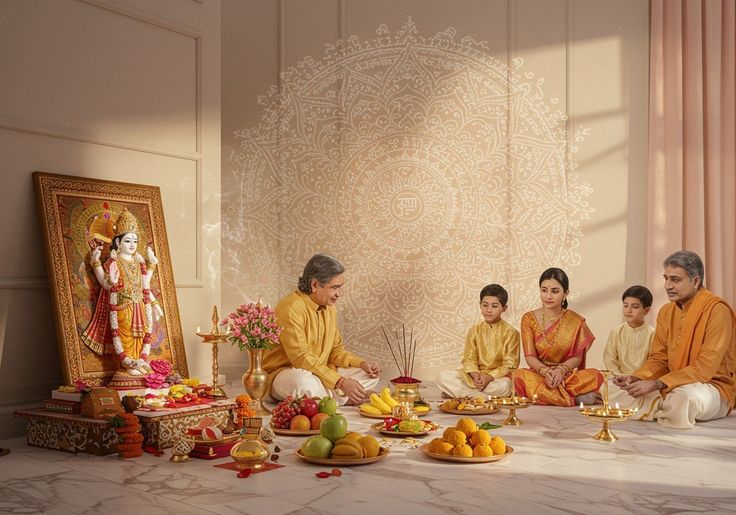
The vrat begins with cleanliness, prayer, and a simple sankalp for peace, truth, and Lord Vishnu’s blessings. Devotees prepare a clean puja space with an image or murti of Lord Satyanarayan.
Common puja items include flowers, diya, incense, fruits, Tulsi leaves, kalash, sweets, and panchamrit. Many families also prepare the traditional Satyanarayan prasad using suji or wheat flour, milk, ghee, banana, sugar, or jaggery.
Devotees may chant “Om Namo Bhagavate Vasudevaya,” “Om Namo Narayanaya,” or “Shri Satyanarayanaya Namah.” The most important part of the vrat is the Satyanarayan Katha. Devotees listen to or read the katha before aarti and prasad distribution.
Prasad should always be shared with love and respect because it represents divine grace.
What Should You Avoid?
During Satyanarayan Vrat, devotees should avoid anger, lies, ego, harsh speech, and disrespect toward prasad or the katha.
People should also avoid making promises before God and forgetting them later. This vrat is not only about asking for blessings. It is about remembering truth, gratitude, and devotion even after success comes.
That is the deepest beauty of Satyanarayan Vrat. It teaches that true prosperity stays only where truth and gratitude remain alive.
