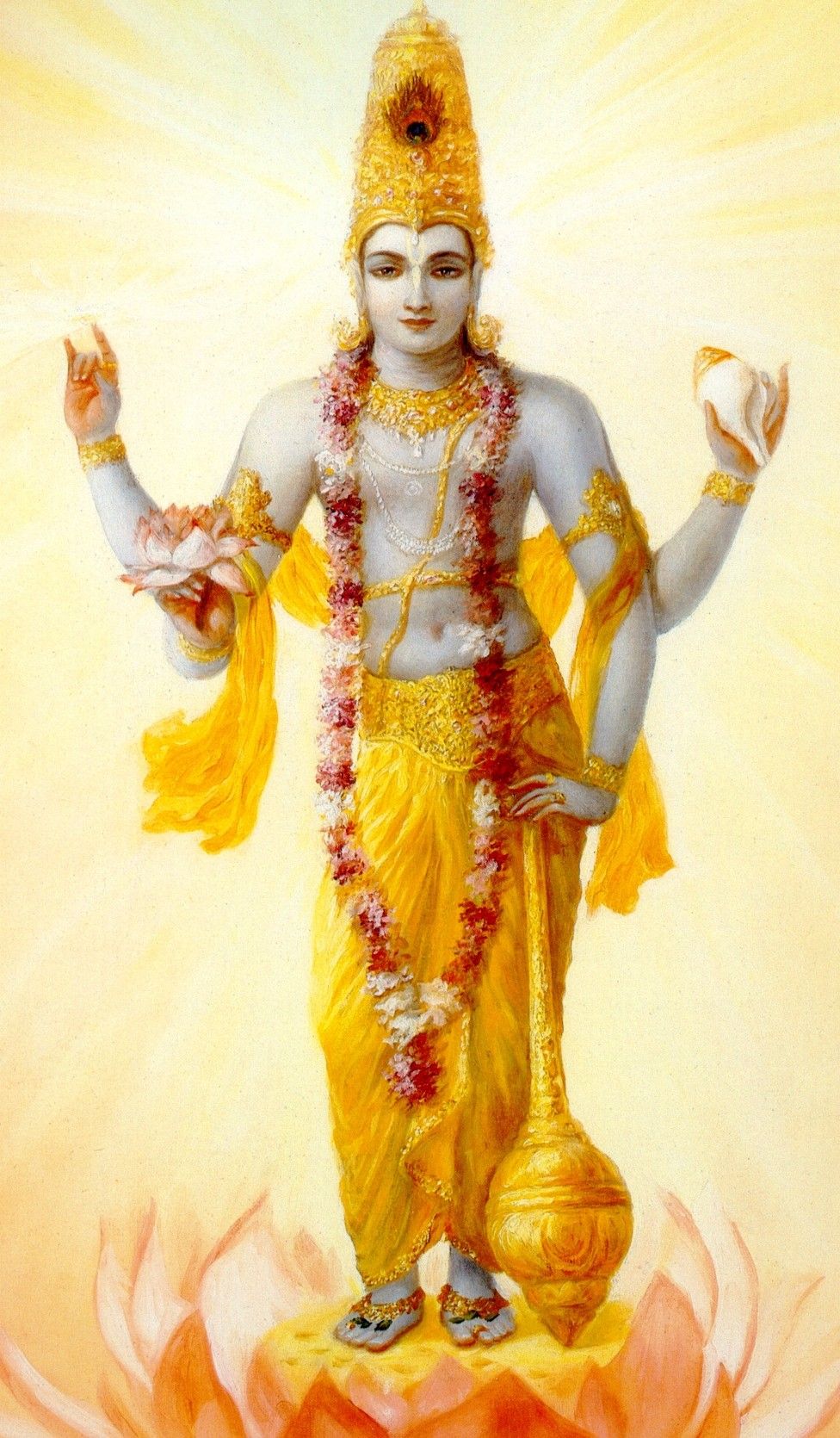
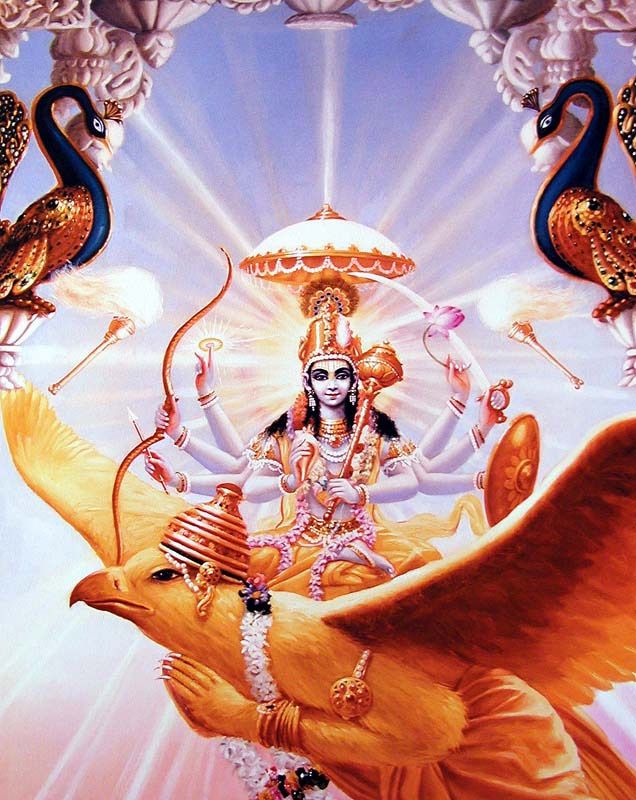
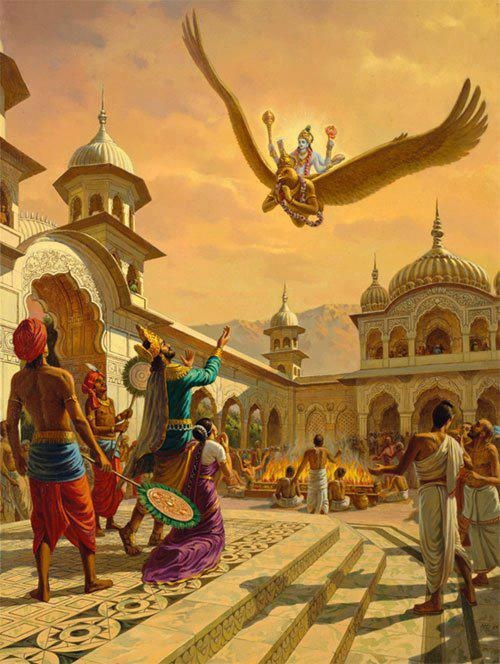
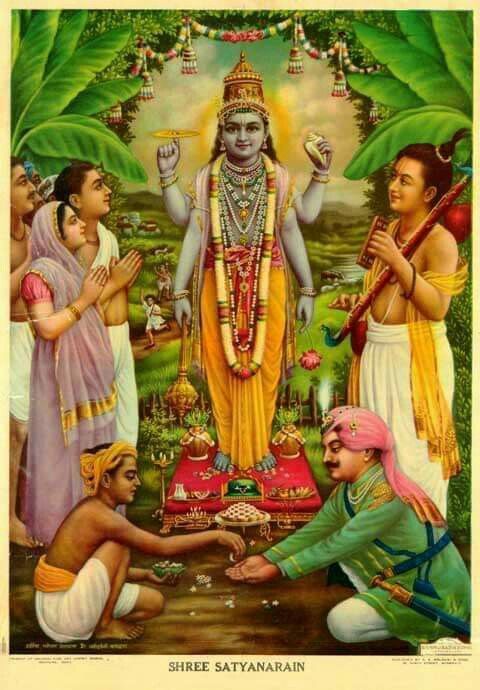
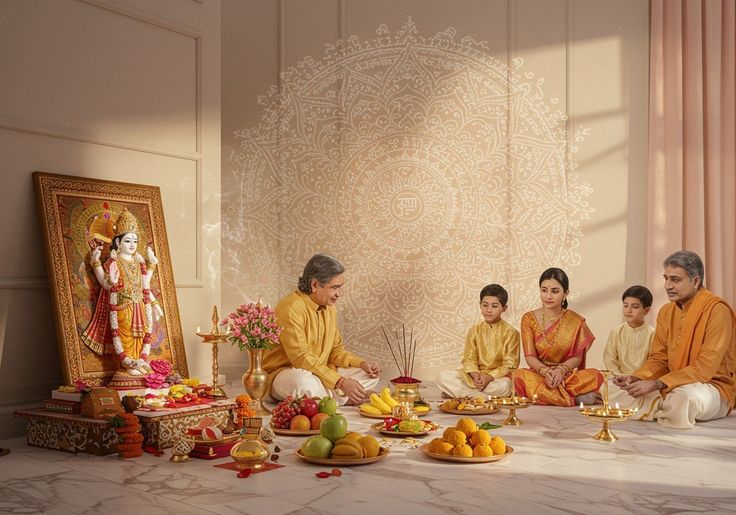
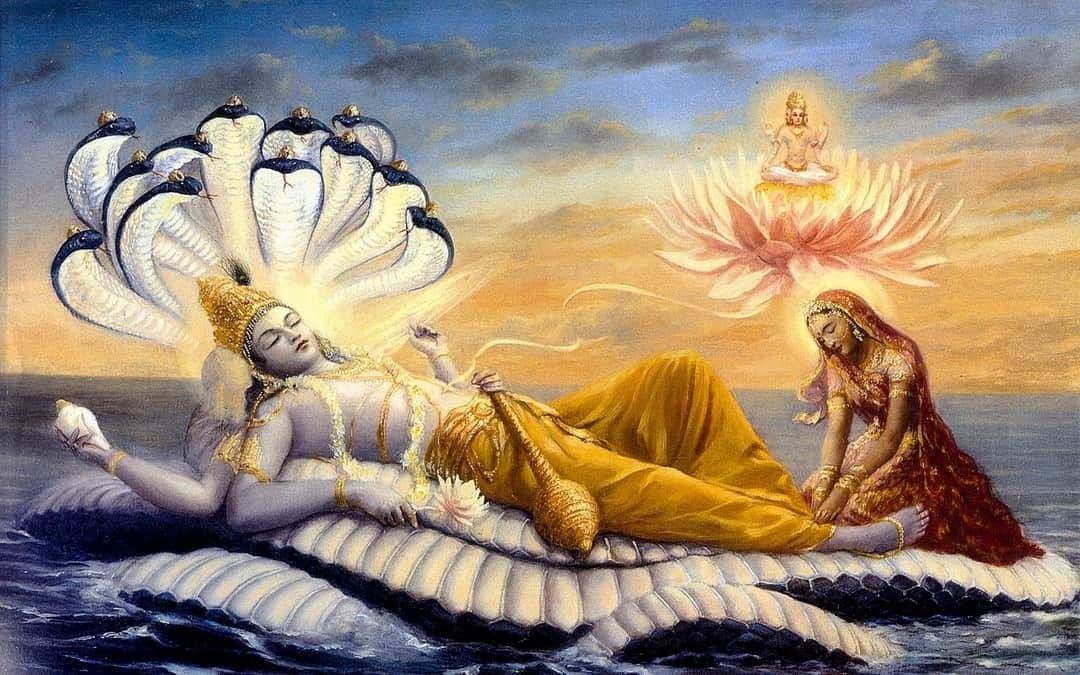
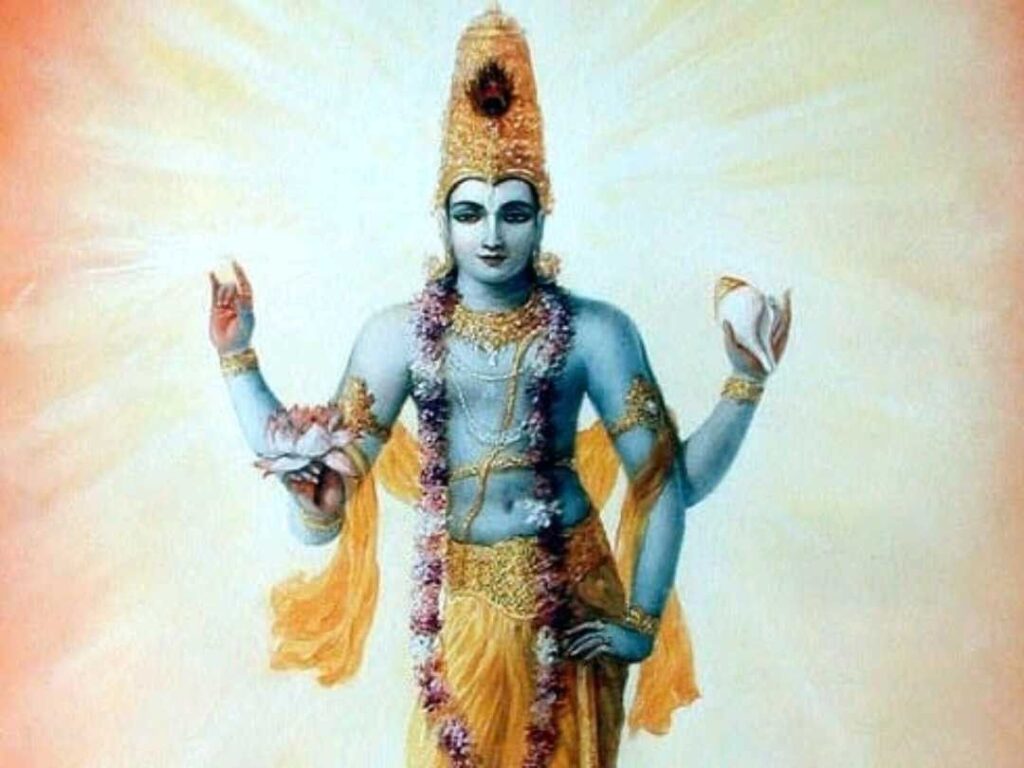
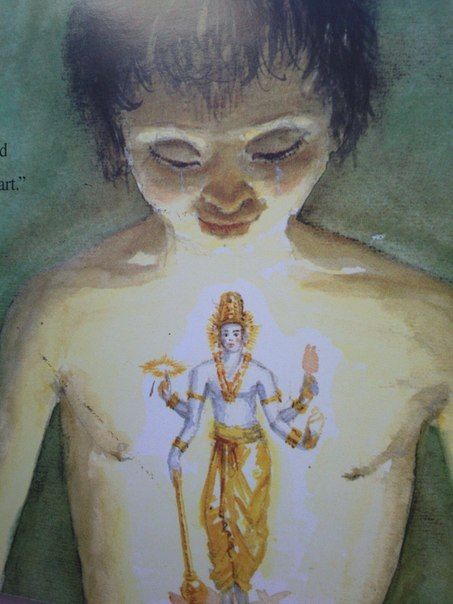
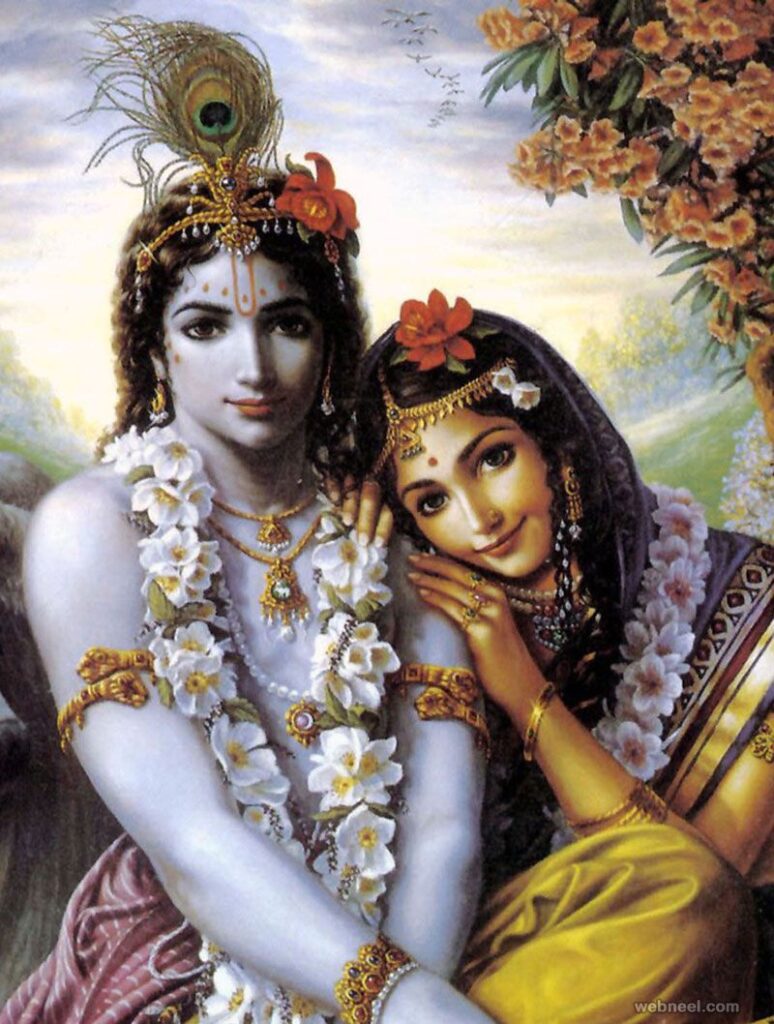
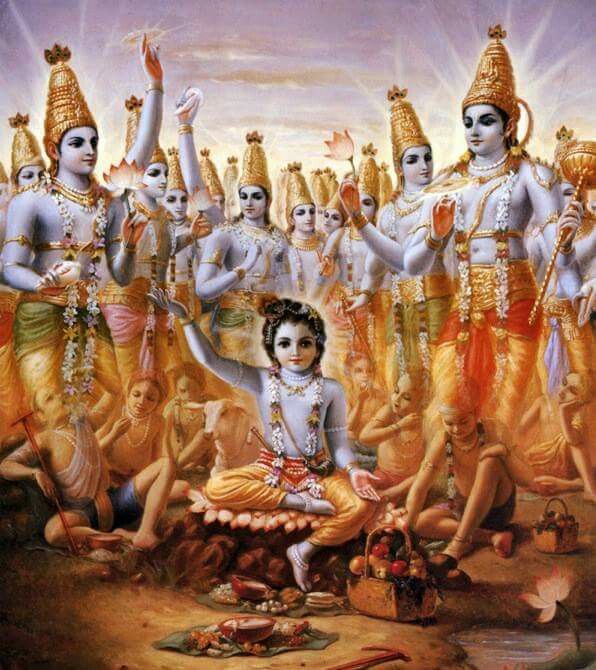
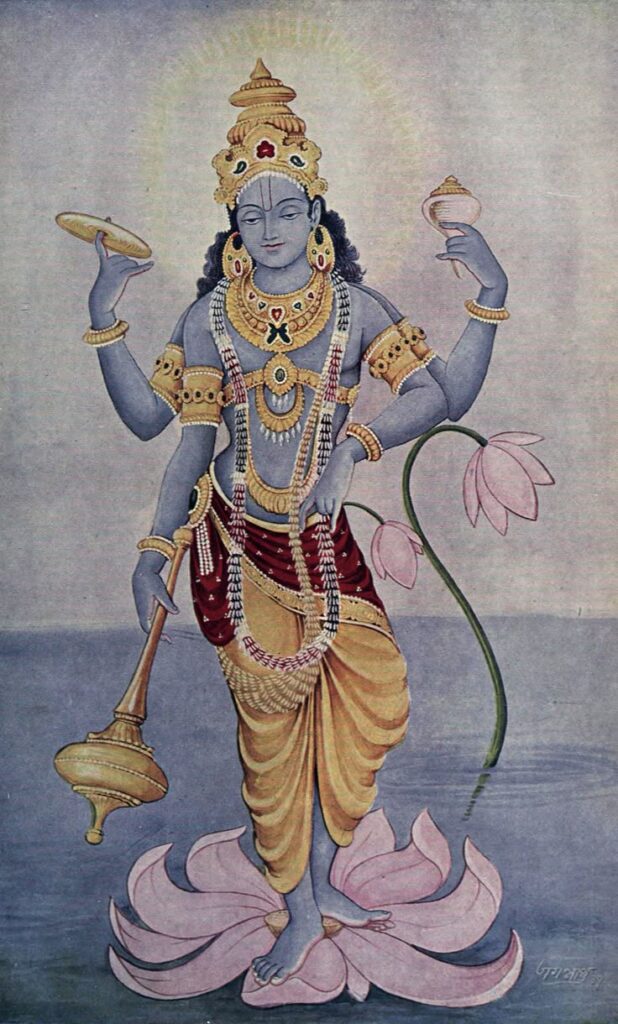
Satyanarayan Vrat is one of the most loved Vishnu vrats in Hindu tradition. Devotees perform this vrat for peace, prosperity, family harmony, and divine blessings. It is dedicated to Lord Satyanarayan, a sacred form of Lord Vishnu.
The word “Satya” means truth, and “Narayan” means Lord Vishnu. Together, the name means “The Lord who is Truth.” That is why this vrat is deeply connected with honesty, gratitude, promises, and faith.
Many families perform Satyanarayan Vrat after wishes come true. People also do this vrat during housewarming ceremonies, marriages, birthdays, new jobs, business beginnings, and Purnima. This vrat is not based on fear. It is a beautiful prayer of devotion, trust, and gratitude.
The Story Behind Satyanarayan Vrat
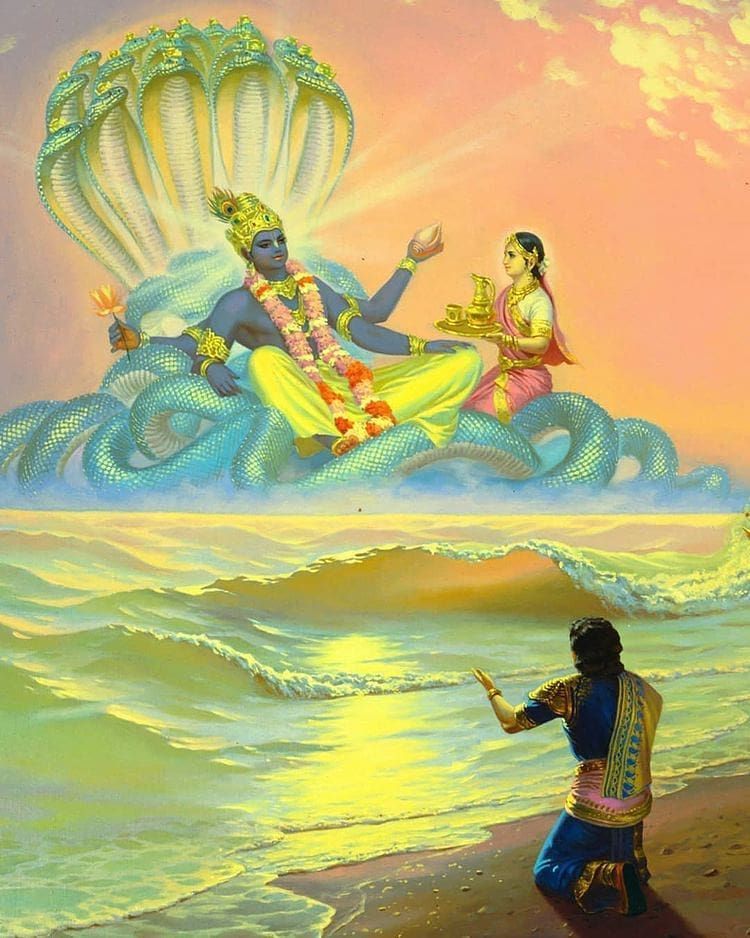
The story of Satyanarayan Vrat begins with Narada Muni. He saw people suffering from pain, poverty, stress, and hardship in Kali Yuga. Moved by compassion, he went to Lord Vishnu and asked for a simple vrat that could help people find peace and blessings.
Lord Vishnu then explained the greatness of Satyanarayan Vrat. He said devotees who perform this vrat with truth, devotion, katha, and sincerity receive peace, prosperity, and spiritual merit.
The vrat katha includes many stories. One famous story is about a poor Brahmin who performs the vrat sincerely and receives relief from hardship. Another story tells of a woodcutter whose life changes after worshipping Lord Satyanarayan with faith.
The most famous story is about a merchant named Sadhu Vaishya. He prayed for blessings and promised to perform the vrat after his wish came true. But after receiving success, he forgot his promise. Soon, he faced loss, pain, and trouble. Only after remembering the vrat and completing it sincerely did his peace and prosperity return.
Why is Satyanarayan Vrat So Powerful?
Satyanarayan Vrat is deeply powerful because it teaches spiritual truth through simple household life. The vrat reminds devotees that blessings should never create ego or forgetfulness. It teaches that gratitude is just as important as prayer.
This is why the Satyanarayan Katha matters so much. The stories teach honesty, humility, faith, and respect for promises made before God. The vrat also teaches that prosperity without truth cannot stay blessed for long.
That is why Satyanarayan Vrat feels emotional and deeply personal for many families.
When is Satyanarayan Vrat Performed?
Satyanarayan Vrat can be performed on many auspicious days. Many devotees prefer Purnima, but families also perform it after major life events and fulfilled wishes.
People commonly perform this vrat during Griha Pravesh, marriage, anniversaries, birthdays, new jobs, business openings, and after difficult phases in life. The simplest rule is to follow your family tradition with sincerity and devotion.
How to Perform Satyanarayan Vrat
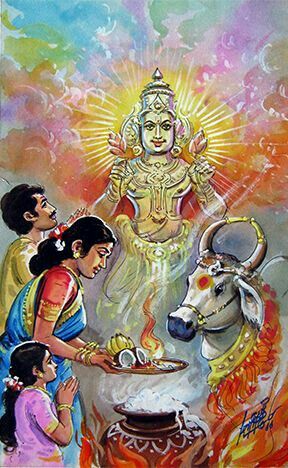
The vrat begins with cleanliness, prayer, and a simple sankalp for peace, truth, and Lord Vishnu’s blessings. Devotees prepare a clean puja space with an image or murti of Lord Satyanarayan.
Common puja items include flowers, diya, incense, fruits, Tulsi leaves, kalash, sweets, and panchamrit. Many families also prepare the traditional Satyanarayan prasad using suji or wheat flour, milk, ghee, banana, sugar, or jaggery.
Devotees may chant “Om Namo Bhagavate Vasudevaya,” “Om Namo Narayanaya,” or “Shri Satyanarayanaya Namah.” The most important part of the vrat is the Satyanarayan Katha. Devotees listen to or read the katha before aarti and prasad distribution.
Prasad should always be shared with love and respect because it represents divine grace.
What Should You Avoid?
During Satyanarayan Vrat, devotees should avoid anger, lies, ego, harsh speech, and disrespect toward prasad or the katha.
People should also avoid making promises before God and forgetting them later. This vrat is not only about asking for blessings. It is about remembering truth, gratitude, and devotion even after success comes.
That is the deepest beauty of Satyanarayan Vrat. It teaches that true prosperity stays only where truth and gratitude remain alive.
Pradosh Vrat is one of the most powerful and spiritually important Shiva vrats in Sanatan Dharma. Devotees observe it on Trayodashi Tithi, the thirteenth lunar day, in both Krishna Paksha and Shukla Paksha. This means it usually comes twice every month. But Pradosh Vrat is not important only because of the date.
This vrat becomes spiritually powerful when Trayodashi overlaps the evening Pradosh Kaal after sunset. That is why Pradosh Vrat is not just a tithi-based fast. It is a sacred twilight observance connected with Lord Shiva.
The word Pradosh refers to the twilight period after sunset, when day slowly changes into night. During this time, the outer world becomes quieter, daily activity slows down, and the mind naturally turns inward. In this peaceful state, Shiva upasana becomes especially powerful.
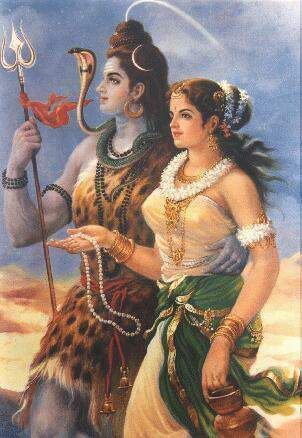
Pradosh Vrat is dedicated to Lord Shiva and Maa Parvati. Devotees observe it for peace, health, marriage harmony, karmic relief, obstacle removal, mental calm, and Shiva’s grace. It is one of the rare vrats that supports both spiritual growth and household stability.
The Mythological Importance of Pradosh Vrat
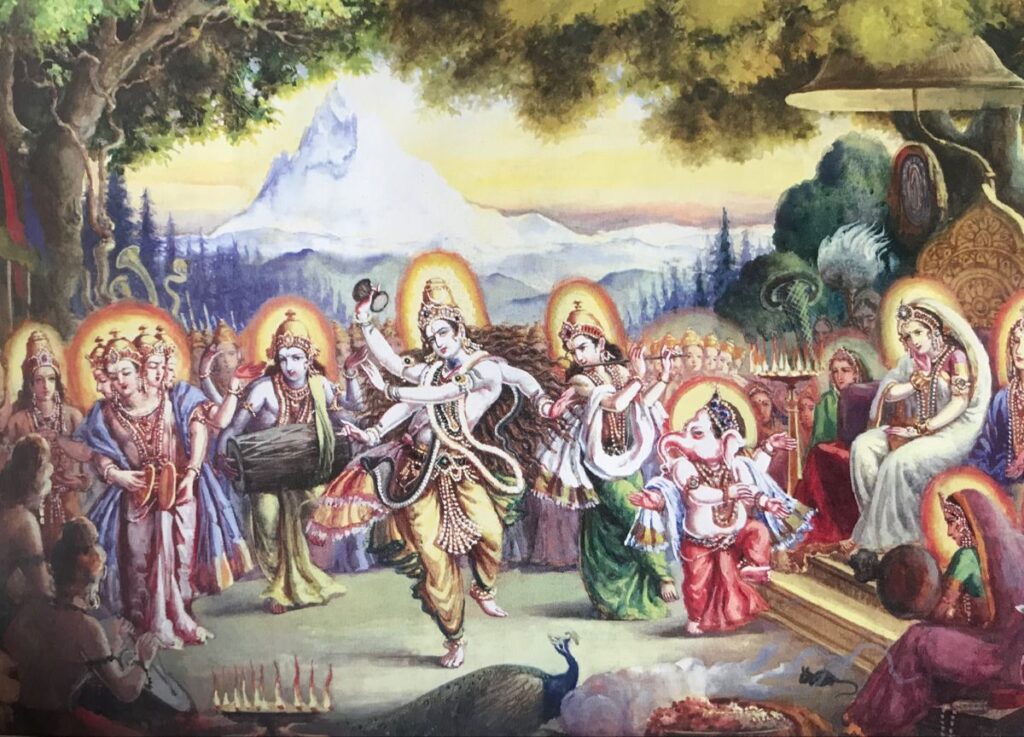
Pradosh Vrat becomes even more meaningful when we understand its mythological depth. One beloved belief says that during Pradosh Kaal, Lord Shiva performs His divine cosmic dance on Mount Kailash while the devas gather around Him in devotion.
This image is deeply symbolic. Shiva’s dance represents cosmic balance, while twilight represents transition. The gathering of the devas shows that even divine beings seek this sacred moment.
Another traditional story says that the devas once suffered from fear, karmic burden, and negative forces. During Pradosh Kaal, they approached Lord Shiva with devotion and prayers. Pleased with their surrender, Shiva removed their suffering and granted relief.
This is the emotional heart of Pradosh Vrat. When life feels heavy, blocked, or emotionally exhausting, Pradosh teaches one simple truth: approach Shiva during the sacred twilight hour.
The Deeper Spiritual Meaning of Pradosh Vrat
Pradosh Vrat is much deeper than simply fasting on Trayodashi. Its inner symbolism is powerful and transformative. Pradosh represents transition. Twilight represents the in-between state. Shiva represents the removal of ego, karmic heaviness, and inner noise.
Fasting reduces the dominance of the body and sharpens spiritual awareness. Evening worship reflects turning inward after worldly exhaustion. Shiva and Parvati together symbolize balance, grace, compassion, stillness, and household blessing.
The deepest teaching of Pradosh Vrat can be understood in one simple line: real transformation happens in the in-between moments of life, not only at beginnings or endings.
That is why devotees believe this vrat helps remove doshas, karmic pressure, fear, negativity, debt stress, emotional heaviness, and blocked energy. Shiva is the force that breaks stagnation and clears what has become toxic or rigid in life.
When is Pradosh Vrat Observed?
The most important rule of Pradosh Vrat is simple. The vrat is observed on the day when Trayodashi Tithi remains active during Pradosh Kaal after sunset.
Many people become confused because they only check when Trayodashi begins. But the correct observance depends on whether Trayodashi is present during the evening twilight period.
Because of this rule, people sometimes see two possible dates. But the safest principle remains clear: if Trayodashi exists during Pradosh Kaal, that is the correct vrat day.
Since Pradosh appears in both lunar fortnights, devotees usually observe around 24 Pradosh Vrats every year. This makes Pradosh a repeated spiritual opportunity instead of a once-a-year festival.
How to Observe Pradosh Vrat
Pradosh Vrat does not require complicated rituals. It responds best to discipline, Shiva bhakti, evening worship, and sincerity. The day can begin with an early bath and a simple sankalp for peace, purification, and Shiva-Parvati’s grace.
Many devotees keep a fast through the day. Some observe Nirjala vrat, while others take fruits, milk, or one light sattvic meal depending on health and family tradition.
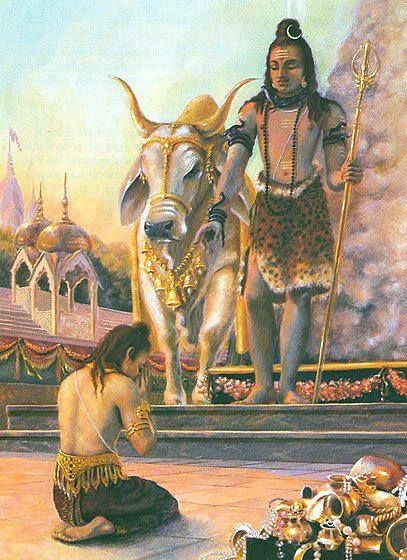
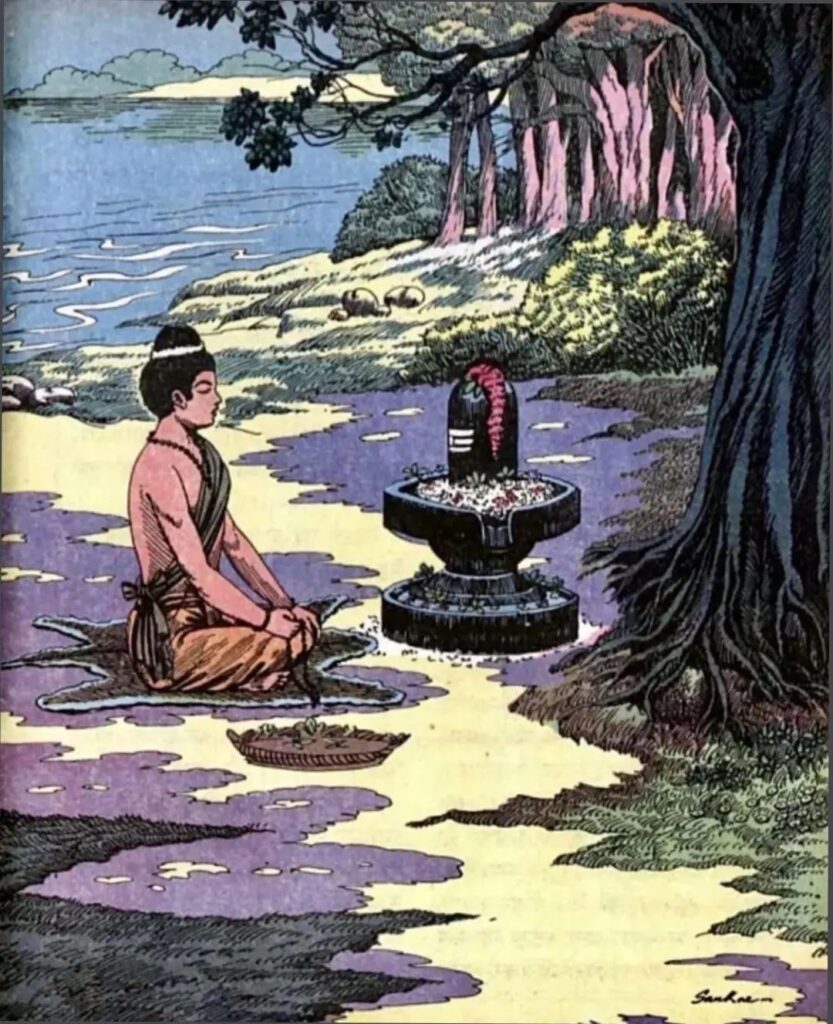
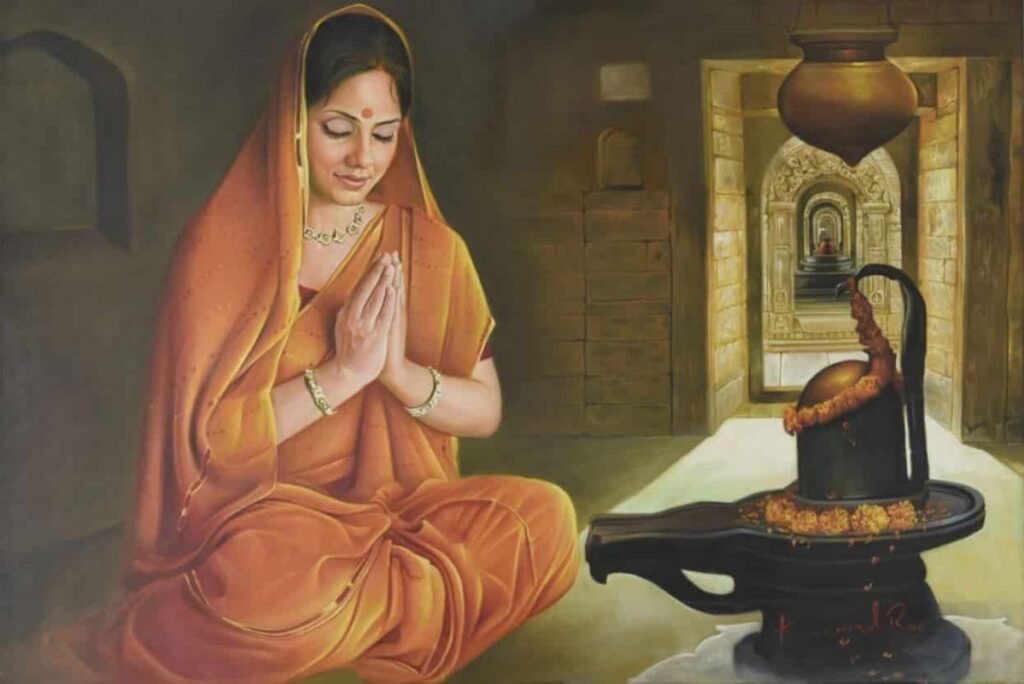
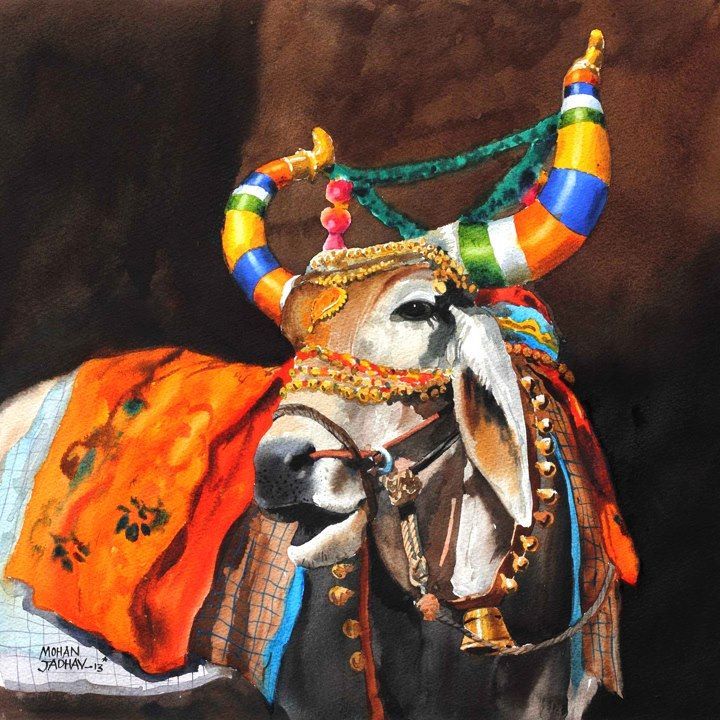
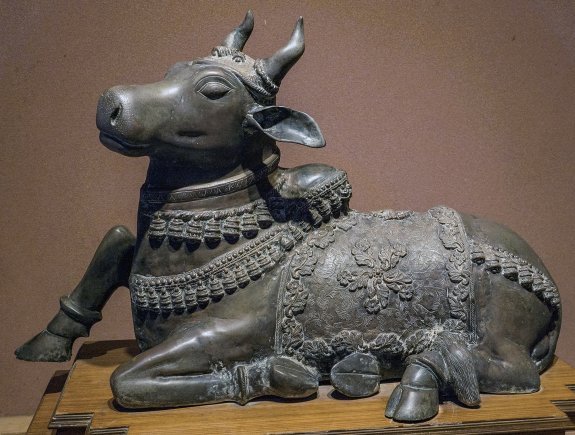
The most important part of the vrat is the evening puja during Pradosh Kaal. This is the heart of the observance. Devotees worship Lord Shiva and Maa Parvati, often with a Shivling and Nandi nearby.
Common offerings include water, milk, Gangajal, bel patra, white flowers, sandal paste, diya, incense, and fruits. Many devotees also perform abhishek with water, milk, Gangajal, or Panchamrit.
The most powerful and simple mantra for Pradosh Vrat is “Om Namah Shivaya,” ideally chanted 108 times.
Other popular prayers include Maha Mrityunjaya Mantra, Shiv Chalisa, Rudrashtakam, Shiva Tandava Stotram, Lingashtakam, and Pradosh Vrat Katha.
After the puja, many devotees sit silently for a few minutes. This quiet time feels especially powerful because Pradosh is a transition vrat, and silence helps the mind absorb its spiritual energy.
The fast may then be broken after the evening worship or later at night with sattvic food, depending on family tradition.
What Not to Do on Pradosh Vrat
On Pradosh Vrat, devotees should avoid anger, lying, harsh speech, arguments, tamasic food, intoxicants, laziness, and ego-based ritualism.
One of the biggest mistakes is fasting through the day but skipping the evening puja. The true heart of Pradosh is not only the fast. It is the twilight worship after sunset.
Pradosh Vrat is deeply loved in household life because Shiva and Parvati together bless peace, stability, marriage harmony, patience, forgiveness, and emotional grounding.
At its deepest level, Pradosh Vrat teaches one emotional truth: the most powerful prayer often comes after life has exhausted you. That is why Pradosh feels so personal and comforting for many devotees.
Padmini Ekadashi is one of the rarest Ekadashis in the Hindu calendar. It comes only during Purushottam Maas, also called Adhik Maas, the sacred extra month dedicated to Lord Vishnu. Because this month does not appear every year, devotees consider this Ekadashi highly special and spiritually powerful.
Padmini Ekadashi falls on the Shukla Paksha Ekadashi of Purushottam Maas. In 2026, devotees observe it on Wednesday, 27 May 2026. Many Panchang calendars also list Parana on Thursday, 28 May 2026.
This Ekadashi is dedicated to Lord Vishnu in His Purushottam form. Devotees observe it for purification, spiritual growth, peace, prosperity, and relief from karmic burdens.
What makes this Ekadashi special is its rarity. It feels like a sacred spiritual opening that comes only once in many years.
The Story of Padmini Ekadashi
The traditional story of Padmini Ekadashi comes through a sacred dialogue between Lord Krishna and Arjuna. Arjuna asks Lord Krishna about the special Ekadashis that appear during Purushottam Maas. In response, Lord Krishna explains the greatness of Padmini Ekadashi.
The main story is linked with King Kartavirya and his queen Padmini. The king was powerful and righteous, but he and his queen remained childless. Even with wealth and status, they felt deep sorrow.
The king and queen went to the forest and performed severe tapasya for many years. Still, they did not receive the blessing they desired. Queen Padmini then approached Anasuya, the wise wife of Sage Atri, for guidance.
Anasuya advised her to observe Padmini Ekadashi with full devotion and purity. Queen Padmini followed the vrat sincerely and worshipped Lord Vishnu with deep faith. Pleased by her devotion, Lord Vishnu blessed the couple with a glorious son.
The story teaches an important truth. Sometimes effort alone is not enough. Grace enters when devotion, purity, and sacred timing come together.
Spiritual Importance of Padmini Ekadashi
Padmini Ekadashi combines two sacred energies together — Ekadashi and Purushottam Maas. That is why devotees consider it extremely powerful in Vishnu bhakti.
People observe this Ekadashi for purification, peace, prosperity, mental clarity, spiritual progress, and the fulfillment of righteous wishes. Many devotees also pray for relief from long-standing struggles and karmic burdens.
The deeper lesson of Padmini Ekadashi is very beautiful. Not every blessing comes only through hard work. Some blessings arrive through surrender, devotion, and divine grace.
That is why this Ekadashi feels rare and spiritually intense.
Padmini Ekadashi Date in 2026
In 2026, Padmini Ekadashi falls on Wednesday, 27 May 2026. According to many Panchang calendars, the Parana takes place on Thursday, 28 May 2026.
As always, devotees should follow their local Panchang for exact fasting and Parana timings because timings may change slightly by location.
What to Do on Padmini Ekadashi
Devotees should observe this Ekadashi with cleanliness, simplicity, and Vishnu bhakti. Begin the day with an early bath and take a sankalp for purification and spiritual upliftment.
The fast may be observed as Nirjala, Phalahar, or a simple Ekadashi vrat without grains and beans, depending on health and family tradition.
Devotees may worship Lord Vishnu with Tulsi leaves, diya, flowers, incense, and fruits. Powerful mantras for the day include: “Om Namo Bhagavate Vasudevaya” and “Om Namo Narayanaya.”
Many devotees also read Bhagavad Gita, Vishnu Sahasranama, or the Padmini Ekadashi katha. Keeping the mind calm and spending more time in prayer is considered highly beneficial.
What Not to Do on Padmini Ekadashi
On this day, devotees should avoid grains, beans, tamasic food, anger, arguments, harsh speech, laziness, and dishonesty.
Padmini Ekadashi should not be treated as only a wish-fulfillment fast. Its true purpose is purification, devotion, and surrender to Lord Vishnu.
Devotees should also avoid missing Parana because proper completion is an important part of Ekadashi discipline.
Conclusion
Padmini Ekadashi is one of the most sacred and rare Ekadashis in the Hindu calendar because it appears only during Purushottam Maas.
Its story reminds devotees that even difficult struggles can change when effort joins with devotion and divine grace.
In essence, Padmini Ekadashi is a sacred Vishnu vrata observed for purification, spiritual merit, peace, and the fulfillment of dharmic blessings through sincere fasting and devotion.
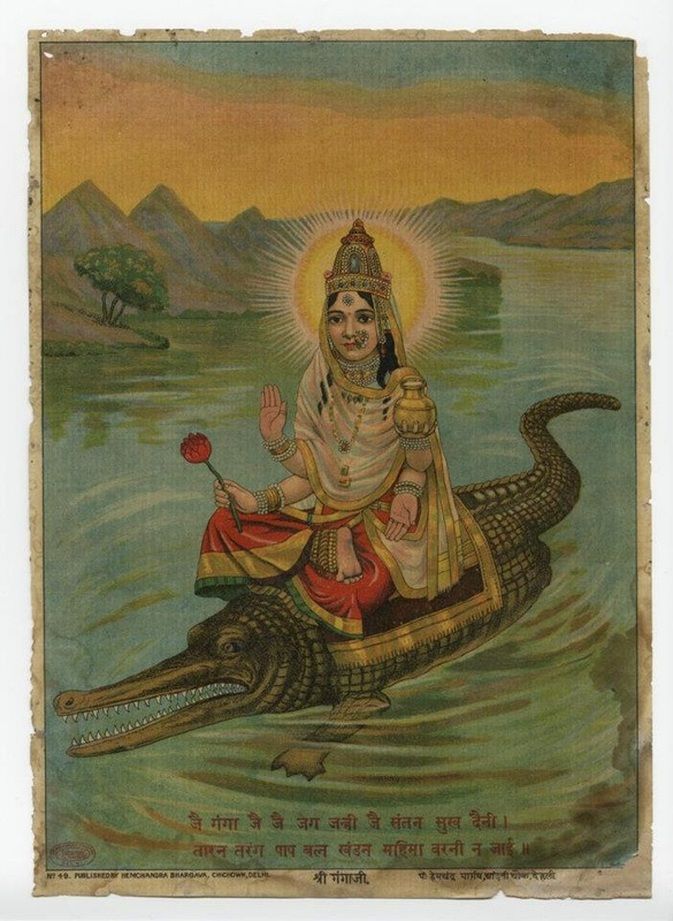
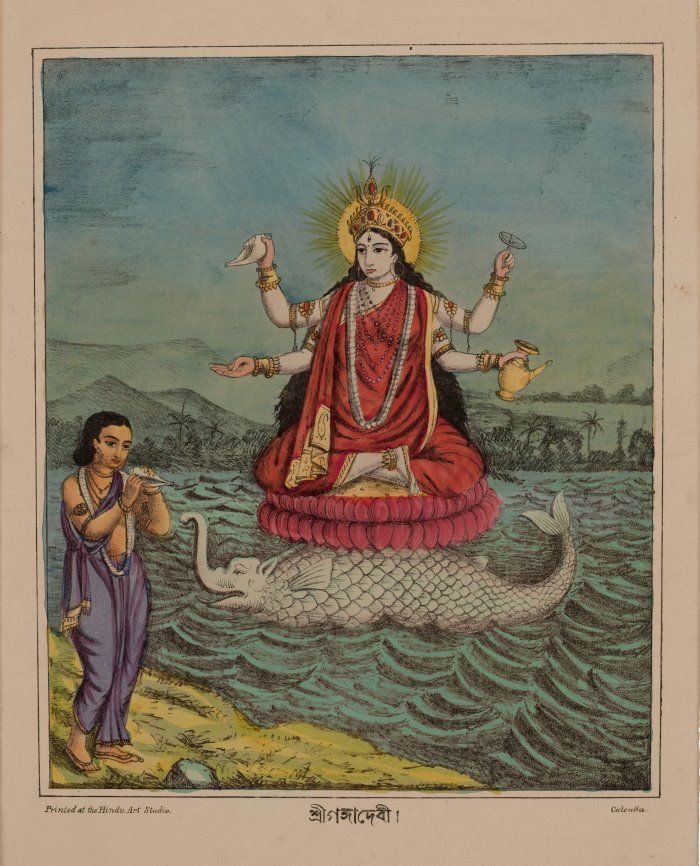
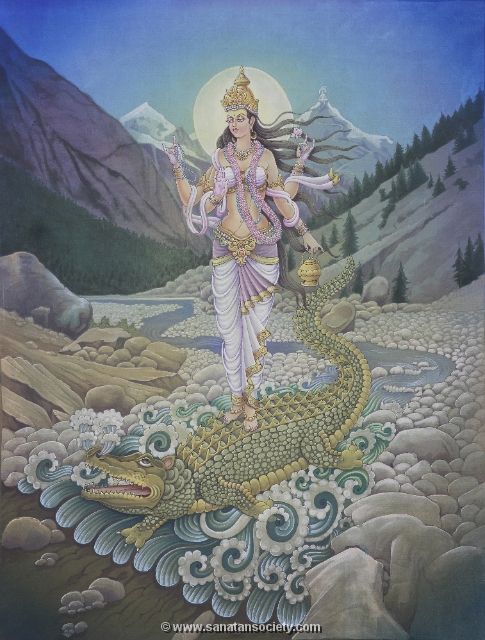
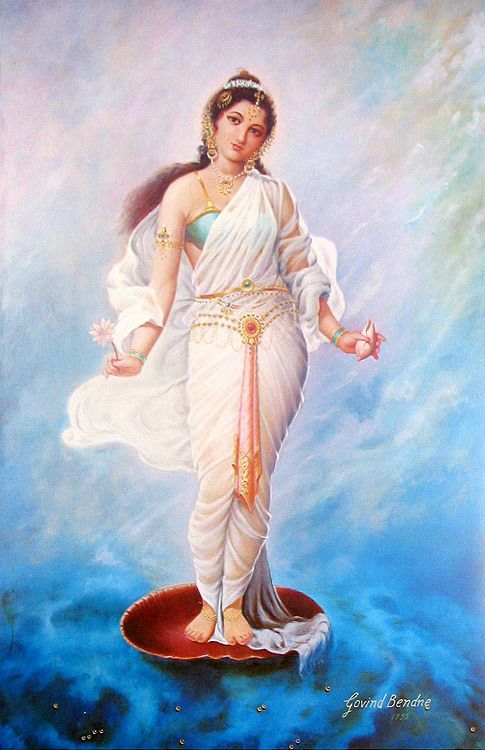
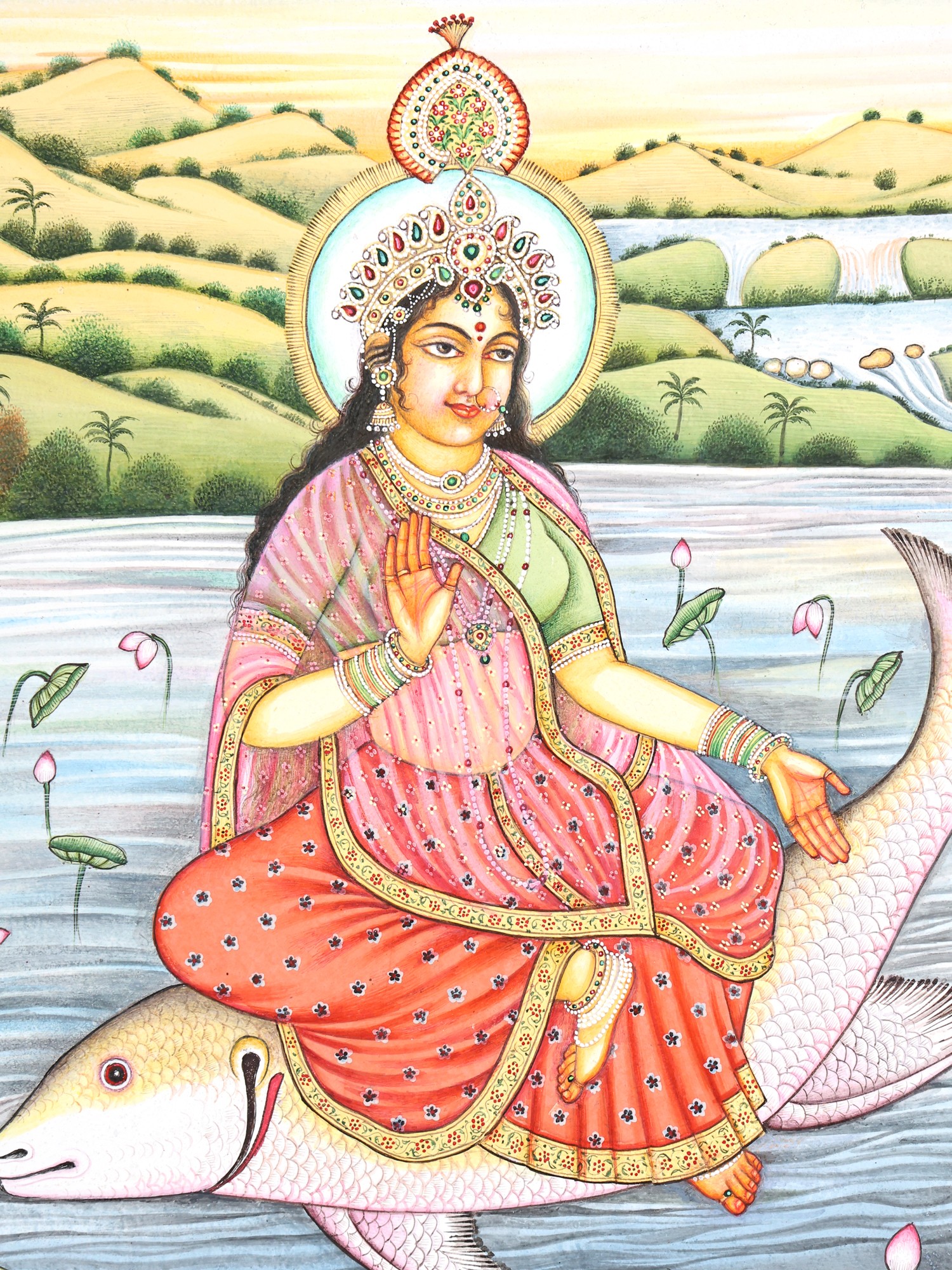
Ganga Dussehra is a holy Hindu festival. People celebrate the day when Maa Ganga came from heaven to earth. Devotees also call it Ganga Dashahara and Gangavataran. The festival falls on Jyeshtha Shukla Dashami. Many people take a holy bath, chant mantras, and pray for peace and forgiveness on this day.
The word “Dussehra” means the removal of ten sins. Devotees believe Maa Ganga washes away pain, bad karma, and inner darkness. This is why people do not see Maa Ganga as only a river. They worship her as a divine mother.
The Story of Maa Ganga
The story begins with King Sagara and his 60,000 sons. One day, the sons disturbed Maharishi Kapila during his tapasya. In anger, the sage turned them into ashes. Their souls could not find peace. Only Maa Ganga could free them.
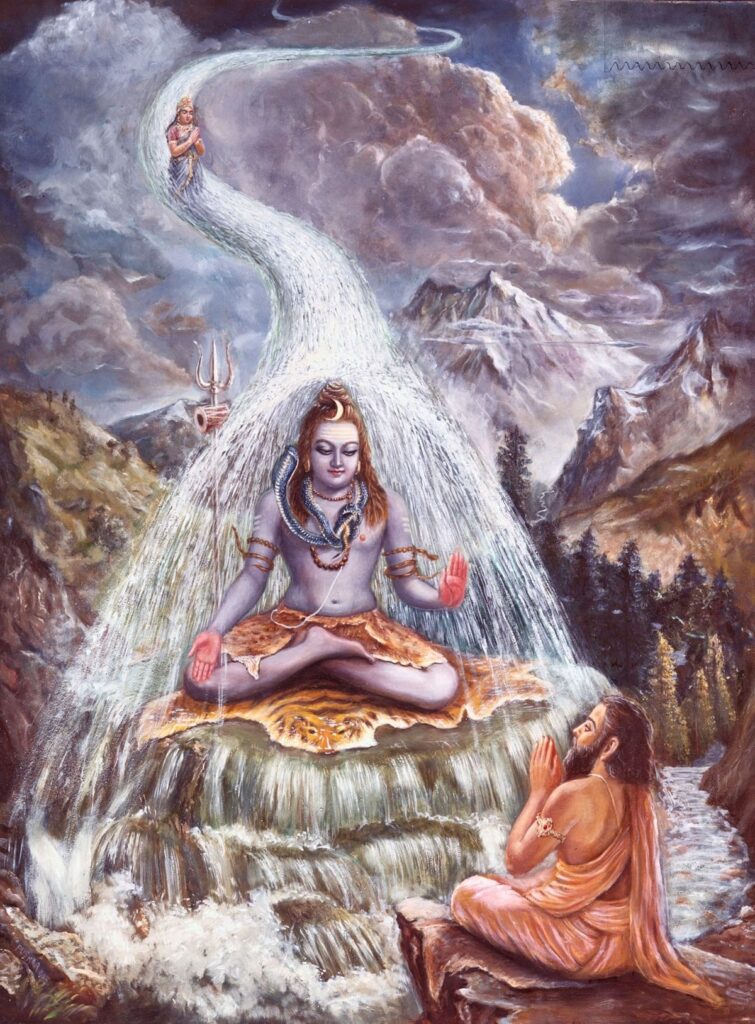
Years later, King Bhagiratha decided to bring Maa Ganga to earth. He prayed for many years and pleased Lord Brahma. Brahma allowed Ganga to descend, but her power was too strong for the earth. Bhagiratha then prayed to Lord Shiva. When Maa Ganga came down, Shiva caught her in His jata and slowly released her onto earth.
Maa Ganga then touched the ashes of Bhagiratha’s ancestors and gave peace to their souls.
Why is Ganga Dussehra Important?
Ganga Dussehra is a festival of purification and grace. Devotees believe Maa Ganga cleans the body, mind, and soul. The story also carries a deep lesson. Bhagiratha never gave up. His devotion brought divine grace to earth.
Maa Ganga represents peace, healing, and compassion. Shiva’s jata represents spiritual strength and control. The festival teaches that sincere effort and divine grace can change life.
When is Ganga Dussehra in 2026?
In 2026, many Panchang calendars list Ganga Dussehra on Monday, 25 May 2026. Some calendars may show small date changes because of tithi timings and local sunrise rules.
How to Celebrate Ganga Dussehra
Many devotees wake up early and take a bath. If possible, they bathe in Ganga ji or another river. If not, they mix a few drops of Ganga jal in bath water at home.
People offer flowers, diya, fruits, and incense to Maa Ganga. Many also chant simple mantras like “Om Shri Gangayai Namah” and “Har Har Gange.” Some devotees read Ganga Stotram or listen to the story of Bhagiratha and Maa Ganga.
Daan and Good Deeds
Daan is very important on this day. Many people donate water, food, clothes, or cooling drinks during the summer heat. Devotees also try to protect rivers and nature. True devotion means keeping Maa Ganga clean.
That is why many people say: serving nature is also a form of bhakti.
What Should You Avoid?
On Ganga Dussehra, people should avoid anger, lies, harsh words, and waste. Devotees should also avoid polluting rivers and nature.
The festival is not only about washing away sins. It is about becoming calm, pure, and kind from within. That is the true beauty of Ganga Dussehra.
Rohini Vrat is a sacred recurring vrat observed whenever Rohini Nakshatra is present after sunrise. Unlike many popular vrats that come once a year on a fixed tithi, Rohini Vrat follows the nakshatra cycle, which means it can appear multiple times in a year. In 2026, traditional Panchang-based calendars list it as a monthly observance, generally appearing around 12 times, and the key rule remains the same: the vrat is observed on the day when Rohini Nakshatra prevails after local sunrise. This rule is consistently noted in modern Panchang and vrat references.
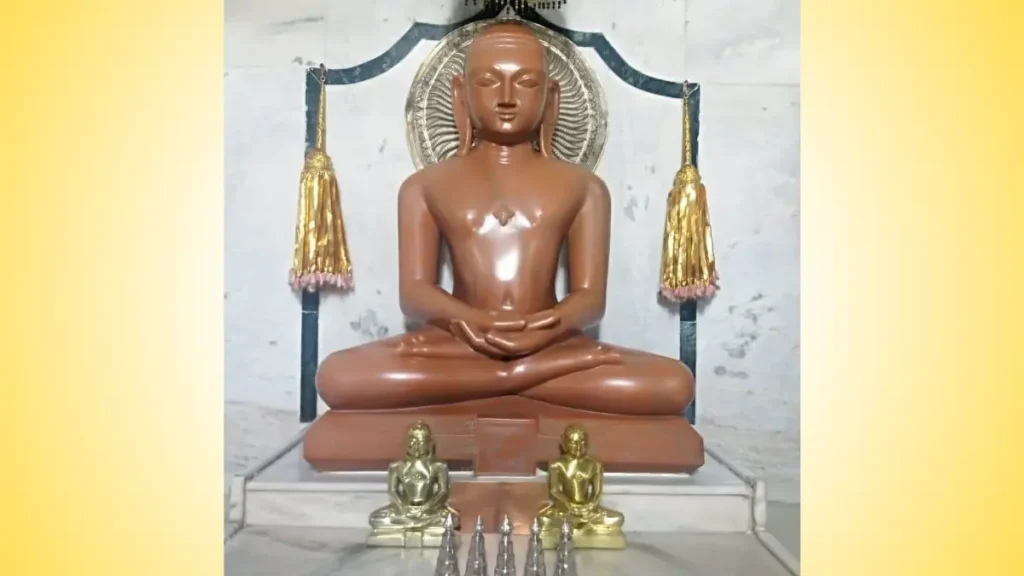
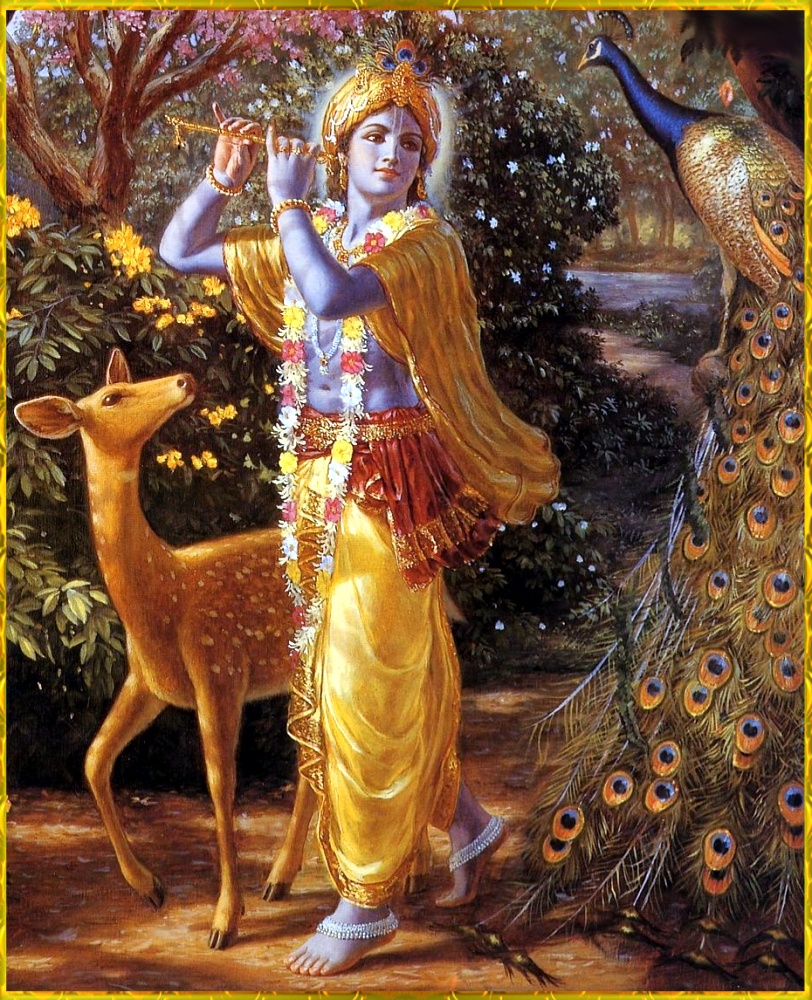
Rohini Vrat is especially respected in Jain tradition, where it is strongly associated with Lord Vasupujya, the 12th Tirthankara, but it is also very much alive in Hindu devotional practice, where many devotees connect it with the auspiciousness of Rohini Nakshatra, the soothing grace of Chandra, and in modern popular observance, the devotional energy of Lord Krishna, whose birth star is traditionally linked with Rohini. In household life, this vrat is often observed for peace in the home, emotional balance, prosperity, relationship harmony, and family welfare.
What makes Rohini Vrat unique is its energy. It is not usually seen as a harsh or fear-based fast. It is a gentle, discipline-based, nourishing vrat. Its power comes less from dramatic ritual intensity and more from repeated sincerity, restraint, and alignment with a soft but powerful cosmic rhythm.
The Story and Traditional Connection of Rohini Vrat
Rohini Vrat is different from many major vrats because it does not have one universally fixed pan-Indian Purana-style katha that all traditions follow. This is important and should be understood properly. Its spiritual identity comes more from living observance, household continuity, Jain vrata discipline, and nakshatra sanctity than from one single famous scriptural episode. That is why different communities preserve different traditional narratives around it.
In Jain tradition, a widely circulated devotional narration connects Rohini Vrat with a queen—often referred to in modern retellings as Queen Rohini or in some versions as Queen Durgandha—who was burdened by suffering linked to past karmas. In the story, despite status and comfort, she lived with inner sorrow and recurring obstacles. A spiritually wise guide or sage explained that the root of her suffering was not merely outer circumstance, but subtle karmic residue that required discipline, purity, and recurring devotion to be softened. She was advised to observe the fast on the day of Rohini Nakshatra, with sincerity, restraint, prayer, and charity. Over time, through repeated observance, her karmic burden lightened, peace returned to her life, and prosperity became stable rather than troubled. Modern 2026 devotional explainers continue to preserve this broad narrative form, even though details may vary by retelling.
That is why the story of Rohini Vrat should be understood less as a single rigid “mythological episode” and more as a traditional moral-spiritual narrative. Its message is very clear: gentle, repeated discipline can purify what sudden effort cannot.
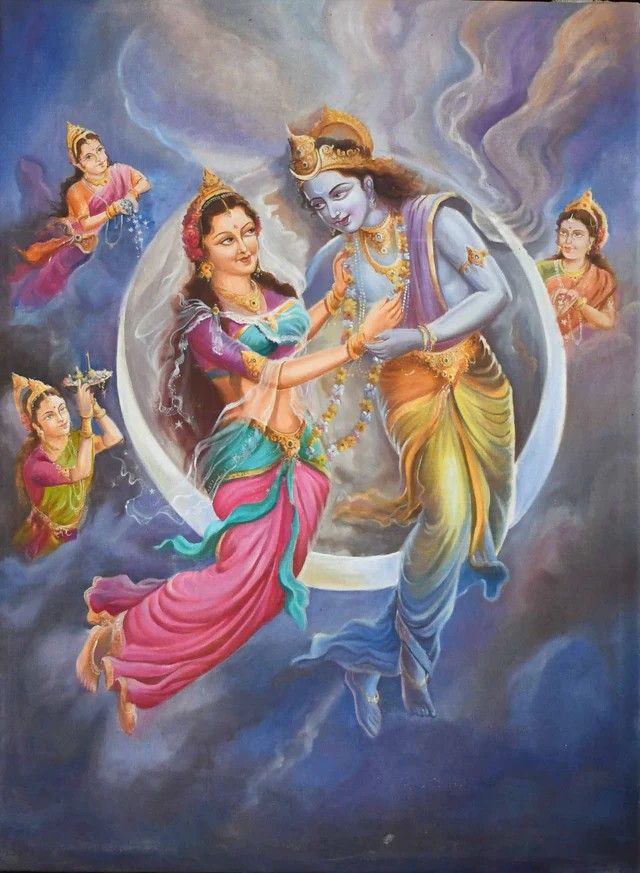
In Hindu devotional understanding, Rohini Vrat is also enriched by the symbolism of Rohini Devi, the beloved consort of Chandra and one of Daksha’s daughters. Traditional lore remembers Rohini as especially dear to the Moon, which is why Rohini Nakshatra carries strong associations with beauty, attraction, emotional depth, fertility, and nourishment. Over time, this made Rohini a naturally auspicious nakshatra for observances related to family well-being, emotional sweetness, prosperity, and devotional softness.
Significance of Rohini Vrat
Rohini Vrat is observed for peace, prosperity, family harmony, emotional healing, marital well-being, and karmic lightness. In Jain practice, it is strongly linked with self-restraint, purification, and karmic cleansing, while in Hindu devotional life, it is often embraced as a vrat for gentle blessings, relationship sweetness, household stability, and emotional balance. Modern guides consistently note that it is especially popular among women for family welfare, though it is open to all sincere devotees.
The deeper beauty of Rohini Vrat lies in its rhythm. Because it returns again and again through the year, it teaches that not all blessings come through one dramatic ritual. Some blessings arrive through repetition, consistency, and calm devotion. That is why Rohini Vrat is spiritually powerful. It slowly trains the mind, softens emotional restlessness, and builds a more stable inner atmosphere. In that sense, it is one of the most psychologically beautiful vrats—especially for those seeking peace without intensity.
Rohini Vrat Dates in 2026
In 2026, Rohini Vrat is observed multiple times across the year. Widely used Panchang-based lists commonly show dates such as January 1, January 29, February 25, March 24, April 20, May 18, June 14, July 12, August 8, September 4, October 1, October 29, and November 25, with some calendars also reflecting the overlap into late December depending on the Nakshatra cycle and sunrise rule. The most important point is that the vrat should be observed on the day when Rohini Nakshatra is active after sunrise in your location. Because some calendars display the nakshatra start date and others display the main sunrise-observance date, a one-day difference can appear in some sources.
So the safest and most accurate dharmic rule is simple: always follow your local Panchang and observe Rohini Vrat on the day Rohini Nakshatra prevails after sunrise.
What to Do on Rohini Vrat
Rohini Vrat responds best to purity, simplicity, restraint, and sincerity. Begin the day with an early bath and a calm sankalp for peace, prosperity, emotional balance, family harmony, and spiritual purity. If you follow the Jain tradition, the day is often centered around Lord Vasupujya, along with prayer, introspection, ahimsa, silence, and self-restraint. Many devotees observe the vrat for 3, 5, or 7 years, and traditional sources often mention 5 years and 5 months as an especially recommended duration before udyapana.
If you follow Hindu devotional practice, you may worship Lord Krishna, Lord Vishnu, Tulsi, or symbolically honor Rohini’s auspicious nourishing energy. Common offerings include Tulsi leaves, white or yellow flowers, ghee diya, fruits, and makhan-mishri. A simple and powerful mantra is “Om Namo Bhagavate Vasudevaya” chanted 108 times. In Jain practice, Namokar Mantra remains the safest and most authentic spiritual anchor.
The fast itself may be observed as Nirjala, Phalahar, milk and fruits, one light sattvic meal, or a stricter Jain-style restraint-based fast, depending on health and family tradition. Many traditional guides note that parana is often done after Rohini Nakshatra ends, typically when the nakshatra transitions onward, sometimes into Mrigashira/Margashirsha depending on how the source names the next star phase.
What Not to Do on Rohini Vrat
On Rohini Vrat, avoid anger, harsh speech, arguments, emotional impulsiveness, tamasic food, greed, showy ritualism, and disrespect toward your family’s traditional method. Because Rohini is deeply linked with Moon energy, mental calm matters a lot. This vrat is not strengthened by force; it is strengthened by gentleness, emotional cleanliness, and consistency. It should not be treated as a one-day shortcut for instant blessings. Its real grace unfolds gradually.
Conclusion
Rohini Vrat is one of the most quietly beautiful vrats in the spiritual calendar. It may not always be as dramatic or publicly celebrated as major annual festivals, but that is exactly what makes it special. It is a vrat of soft strength. It teaches that peace, prosperity, and emotional balance are not always built through intensity—they are often built through repeated devotion, self-restraint, and inner gentleness.
In essence, Rohini Vrat is a sacred monthly nakshatra-based observance that honors the nourishing and calming grace of Rohini through fasting, prayer, and discipline, helping devotees invite peace, prosperity, emotional steadiness, and family harmony into life.
Adhik Maas is the extra lunar month added to the Hindu calendar to balance the difference between the lunar year and the solar year. People also call it Purushottam Maas, Adhika Masa, and in some traditions, Mala Maas. This extra month keeps festivals, seasons, and sacred timings properly aligned.
The Hindu calendar follows a lunisolar system. Twelve lunar months make about 354 days, while the solar year has around 365 days. This creates a gap of nearly 11 days every year. Over time, the difference increases, so the calendar adds one extra month roughly every 32 to 33 months.
In the traditional system, Adhik Maas appears when a lunar month passes without a solar Sankranti, meaning the Sun does not enter a new zodiac sign during that period. Spiritually, this makes Adhik Maas a month of correction, balance, and cosmic realignment.
That is why Adhik Maas carries such deep meaning. It reminds us that even time needs adjustment. And when life goes out of rhythm, correction is not failure — it is grace.
Why is Adhik Maas Called Purushottam Maas?
One of the most beautiful parts of Adhik Maas comes from its devotional story. In older traditions, people often treated this extra month as neglected because many worldly auspicious events were avoided during this period. That is why some traditions called it Mala Maas.
According to the Purushottam Maas Mahatmya tradition, this rejected month approached Lord Vishnu in sorrow. It complained that every other month received honor, purpose, and worship, while it remained ignored and unwanted.
Then Lord Vishnu accepted the month as His own and blessed it with His name, Purushottam. From that moment, Adhik Maas became Purushottam Maas — the sacred month of Lord Vishnu.
This transformed the month completely. What people once avoided for worldly ceremonies became one of the most powerful periods for bhakti, japa, vrat, daan, and spiritual purification.
That is why Adhik Maas carries such emotional and devotional depth. It teaches a powerful truth: what the world rejects, God can make sacred.
The Spiritual Importance of Adhik Maas
Adhik Maas is not a month for material expansion. It is a month for spiritual correction and inner reset. While other periods focus on growth, celebration, and achievement, Adhik Maas encourages people to slow down, simplify life, and turn inward.
This month especially supports bhakti, repentance, japa, scriptural reading, Vishnu worship, self-discipline, and karma cleansing. A simple way to understand it is: other months help you run life, but Adhik Maas helps you reset life.
Traditional practices often avoid major worldly ceremonies during this time. Families may postpone marriages, griha pravesh, mundan, or large material celebrations. But this does not make the month spiritually negative. In fact, it makes the month spiritually stronger.
That is the beauty of Adhik Maas. It may not favor outer celebration, but it strongly supports inner transformation.
Which Deity is Worshipped During Adhik Maas?
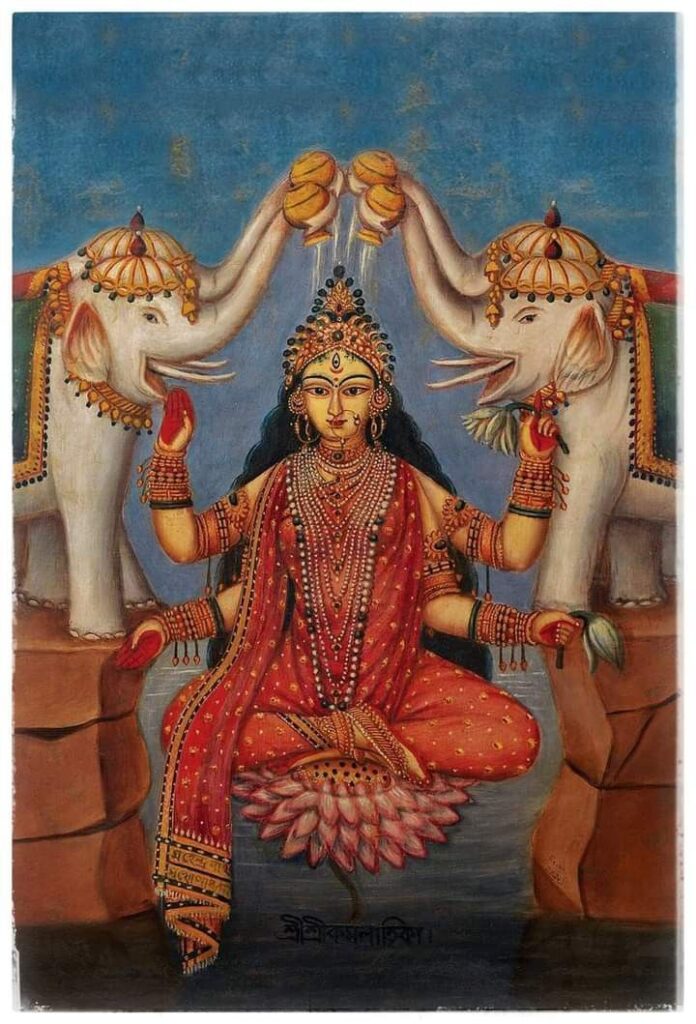
Lord Vishnu, especially in His form as Purushottam, becomes the main deity worshipped during Adhik Maas. Devotees worship Shri Krishna, Lakshmi Narayan, Purushottam Narayan, and in many traditions, Radha-Krishna as well.
Because Lord Vishnu personally sanctified this month, devotees consider it highly powerful for surrender, purification, and bhakti. Many people increase mala chanting, Bhagavad Gita reading, Vishnu Sahasranama, Bhagavatam parayan, Tulsi puja, and Ekadashi observance during this period.
That is why many devotees call Adhik Maas “an extra month of divine grace.” It is not only an extra month in the calendar. It is an extra opportunity for the soul.
The deeper spiritual meaning of Adhik Maas is also very powerful. The month that once had “no place” became the month closest to Lord Vishnu. This reminds us that the delayed, ignored, or difficult phases of life may actually carry the deepest grace.
When Does Adhik Maas Come and How Should It Be Observed?
Adhik Maas usually appears every 32 to 33 months. In 2026, many Panchang sources list Adhik Jyeshtha or Adhik Maas from around 17 May to 15 June 2026, although regional calendars may differ slightly.
This month does not demand complicated rituals. It responds best to simplicity, devotion, consistency, and humility. Devotees usually worship Vishnu, Krishna, or Lakshmi Narayan with Tulsi leaves, flowers, diya, incense, and simple bhog.
Some of the most powerful mantras for this month include: “Om Namo Bhagavate Vasudevaya” “Om Namo Narayanaya” and the Hare Krishna Mahamantra.
Many devotees also read the Bhagavad Gita, Vishnu Sahasranama, Srimad Bhagavatam, Purushottam Maas Mahatmya, or Ramcharitmanas during this time. Daan also becomes highly important. Food donation, gau seva, helping the poor, temple support, and gifting spiritual texts are all considered very auspicious.
What Should You Avoid During Adhik Maas?
Traditionally, many families avoid major mangal karya during Adhik Maas. This often includes marriage, engagement, griha pravesh, and luxury-focused celebrations. The month encourages withdrawal, purification, and spiritual focus rather than outward expansion.
But Adhik Maas is not a cursed or negative month. It is simply a spiritually focused month. Necessary life duties can still continue normally. The purpose is not fear — the purpose is inner refinement.
The deepest message of Adhik Maas is simple and powerful: when life gives you an extra phase, do not fill it with noise. Fill it with God.
That is the true essence of Purushottam Maas. It teaches that the phases we call delayed, inconvenient, or unwanted may actually bring us closest to divine grace.
That is why Adhik Maas is not just an extra month. It is a sacred invitation to pause, purify, simplify, and return to bhakti.
Vat Savitri Vrat is one of the most sacred and spiritually powerful Hindu vrats. Married women mainly observe this vrat for the long life, protection, and well-being of their husbands. But this vrat means much more than marital longevity. It celebrates sankalp, pativrata shakti, devotion, feminine strength, and faith powerful enough to transform destiny itself.
The vrat comes from the immortal story of Savitri and Satyavan, one of the most emotionally powerful narratives in Hindu tradition. Savitri’s devotion, wisdom, tapasya, and unwavering dharmic strength became so extraordinary that she compelled Yamraj to return her husband’s life. That is why people remember Vat Savitri Vrat as the day when devotion stood before death and refused to bow.
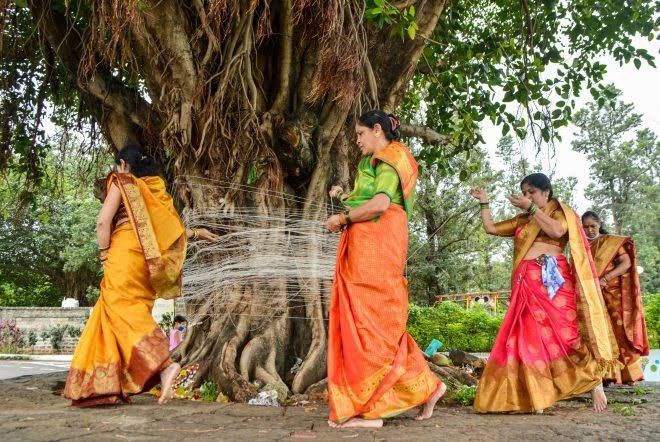
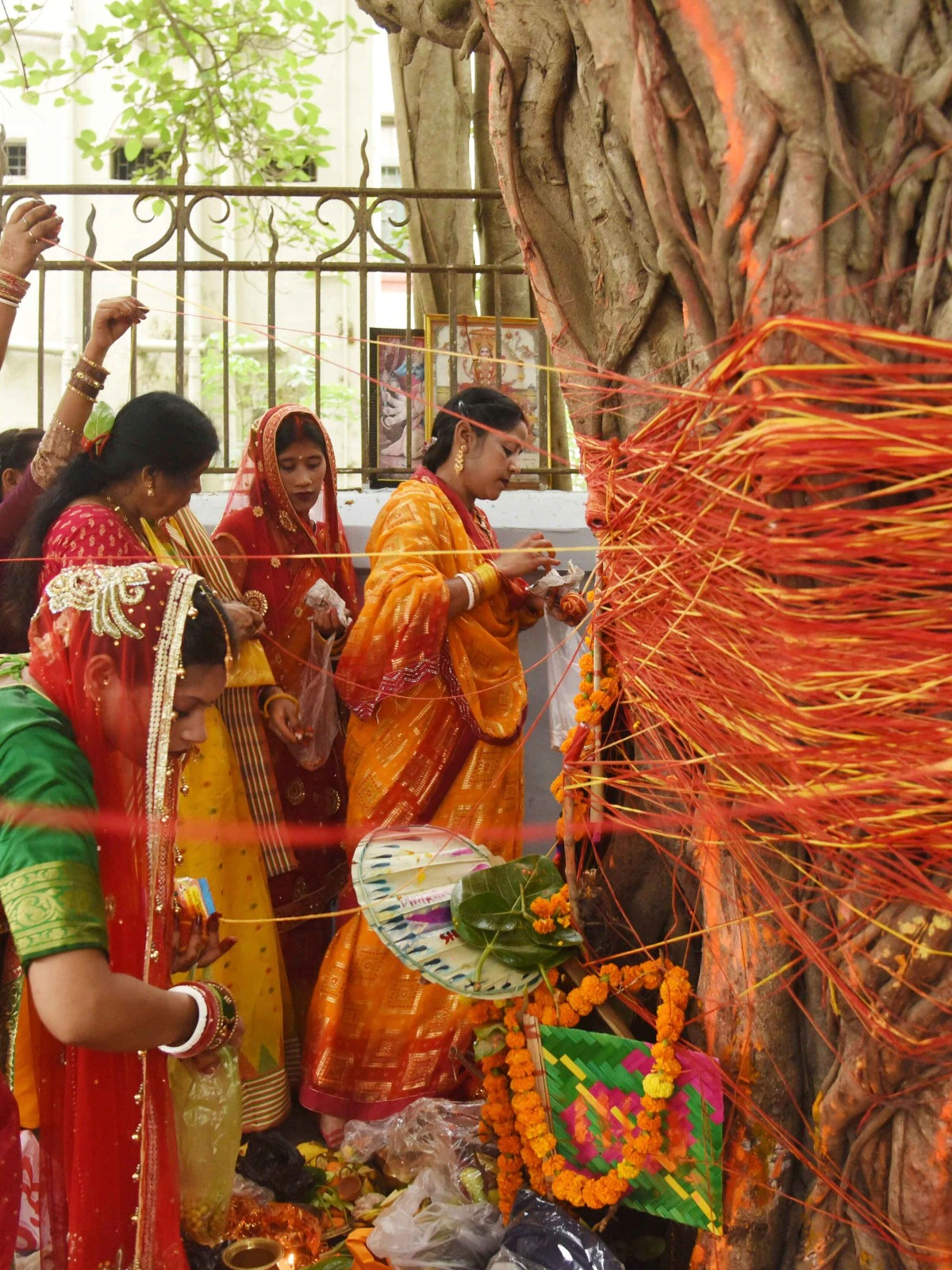
The word “Vat” refers to the banyan tree (वट वृक्ष), which holds deep importance in this vrat. Hindu tradition sees the banyan tree as a symbol of long life, stability, endurance, and spiritual continuity. Women worship the Vat tree, tie sacred thread around it, perform parikrama, and pray for akhand saubhagya.
This vrat does not only honor marriage. It also honors the spiritual strength, discipline, and devotion of a woman within grihastha dharma. That is why Sanatan tradition considers it one of the strongest and most graceful symbols of stri shakti.
The Story of Savitri and Satyavan
The story of Savitri and Satyavan forms the heart of Vat Savitri Vrat. According to the Mahabharata tradition, Savitri knowingly chose Satyavan even after learning that he was destined to die exactly one year after marriage.
King Ashwapati, who remained childless for many years, performed intense tapasya and prayers for a child. Pleased with his devotion, Devi Savitri blessed him with a daughter named Savitri. She became known for her beauty, wisdom, purity, and spiritual radiance.
When the time for marriage arrived, Savitri chose Satyavan, a noble prince living in the forest with his blind and exiled father Dyumatsena. Then Devarshi Narada revealed that Satyavan would die exactly one year after marriage. Even after hearing this, Savitri did not change her decision. She accepted her fate consciously and stood firm in her choice.
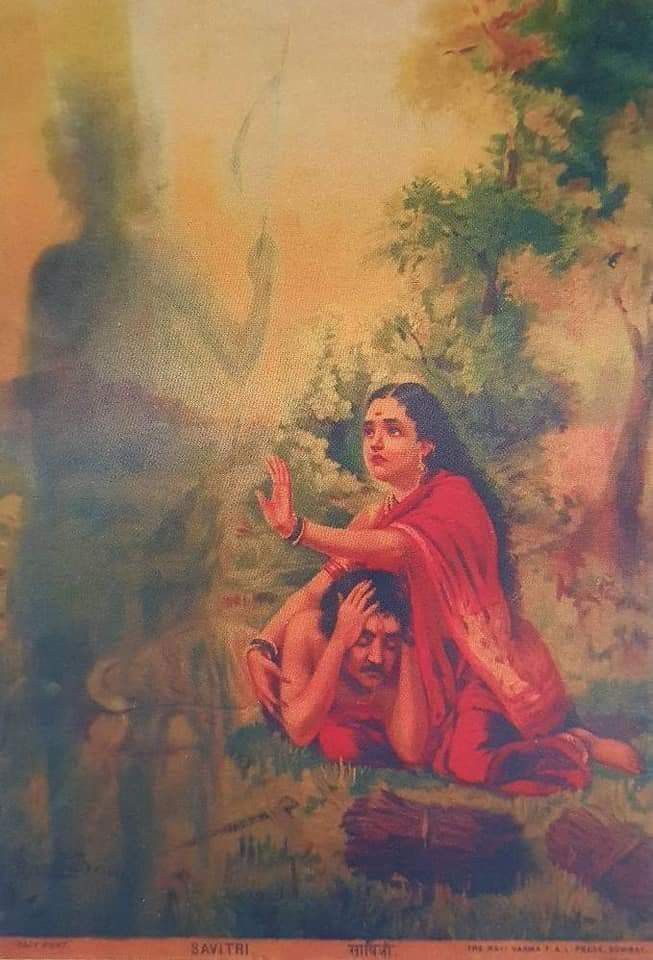
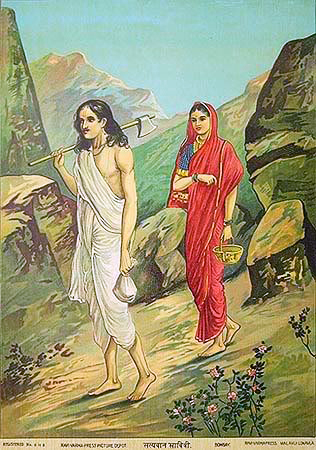
As the destined day approached, Savitri prepared herself spiritually. She observed a strict vrat, fast, and prayerful vigil. On the final day, Satyavan went into the forest to cut wood, and Savitri went with him. While working, Satyavan suddenly became weak and rested his head in Savitri’s lap. Soon after, he died. Many traditions believe this happened near a banyan tree, which is why the Vat tree became sacred in this vrat.
This is why Vat Savitri Vrat feels so emotionally powerful. It is not symbolic romance. It is love standing before death.
Savitri and Yamraj
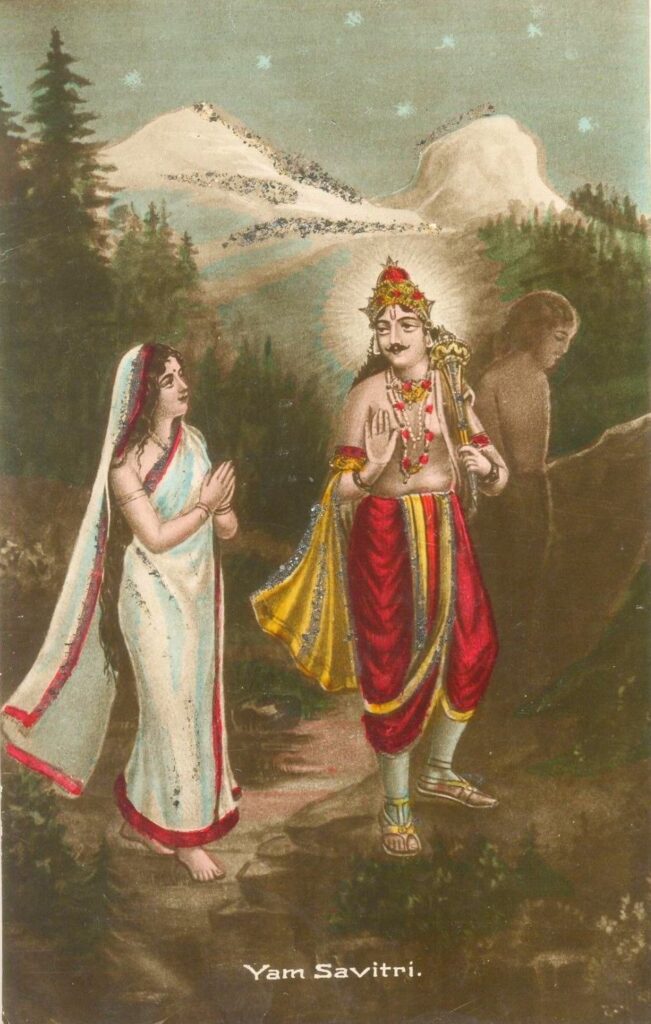
After Satyavan’s death, Yamraj appeared to take his soul. Instead of collapsing in grief, Savitri followed him fearlessly. Again and again, Yamraj asked her to return, but Savitri continued walking behind him with humility, wisdom, dignity, and dharma.
Savitri did not fight with anger or desperation. She won through truth, restraint, intelligence, and spiritual strength. Deeply impressed by her purity and noble speech, Yamraj offered her boons — anything except Satyavan’s life.
Savitri first asked for the eyesight and kingdom of her blind father-in-law Dyumatsena. Then she asked blessings for her father Ashwapati. Finally, she asked for children for herself and Satyavan. That final boon created a divine paradox. How could Savitri have children with Satyavan if he remained dead?
Bound by his own words and dharma, Yamraj restored Satyavan’s life. This moment became the spiritual heart of Vat Savitri Vrat. Savitri did not reject destiny emotionally. She faced destiny with intelligence, devotion, and dharma.
That is why devotees worship Savitri so deeply. They remember her not only as an ideal wife, but also as a woman of sankalp, courage, wisdom, and spiritual authority.
When is Vat Savitri Vrat Observed and How is it Celebrated?
Different regions observe Vat Savitri Vrat on different dates. In North India and the Purnimanta tradition, devotees usually observe it on Jyeshtha Krishna Amavasya. In Maharashtra, Gujarat, Goa, and some Western and Southern traditions, devotees observe it as Vat Purnima on Jyeshtha Purnima.
In 2026, many calendars list Vat Savitri Amavasya on 16 May 2026, while many regional traditions observe Vat Purnima or regional Vat Savitri on 29 June 2026.
Women usually wake up early, take a sacred bath, and wear clean traditional clothes. Many wear red or yellow along with symbols of saubhagya such as sindoor, bangles, bindi, and mangalsutra. Devotees then take a heartfelt sankalp for the long life, protection, and prosperity of their husbands and for dharmic strength in married life.
The worship of the banyan tree forms the central ritual of this vrat. Devotees offer water, kumkum, akshat, flowers, diya, incense, sweets, and fruits. They tie a sacred thread around the tree and perform 7 or 108 parikramas depending on tradition. Many devotees also listen to or recite the Vat Savitri Vrat Katha, which remains an essential part of the vrat.
People may observe the fast as Nirjala, Phalahar, one-meal vrat, or a strict day-long fast depending on health and family customs.
The Deeper Spiritual Meaning of Vat Savitri Vrat
Most people miss the deeper meaning of this vrat. Vat Savitri Vrat does not only focus on marriage. It celebrates female spiritual strength, devotion with intelligence, steadiness during crisis, and love that does not lose dignity.
Savitri did not win because she cried, begged, or collapsed emotionally. She won because she stayed pure, disciplined, truthful, fearless, and spiritually awake. That is why Sanatan Dharma remembers her eternally.
This vrat teaches that real feminine strength is not loud or aggressive. It is calm, conscious, resilient, and deeply rooted in dharma. Savitri faced death itself, yet she never lost her dignity, clarity, or inner balance.
The deepest prayer of this vrat is not only, “May my husband live long.” It is also: “May my marriage remain protected, may dharma stay strong in my home, and may I receive Savitri-like strength, wisdom, and grace.”
Vat Savitri Vrat teaches one powerful truth: destiny may already exist, but tapasya, purity, devotion, and dharma can still transform it. That is the real miracle of Savitri.
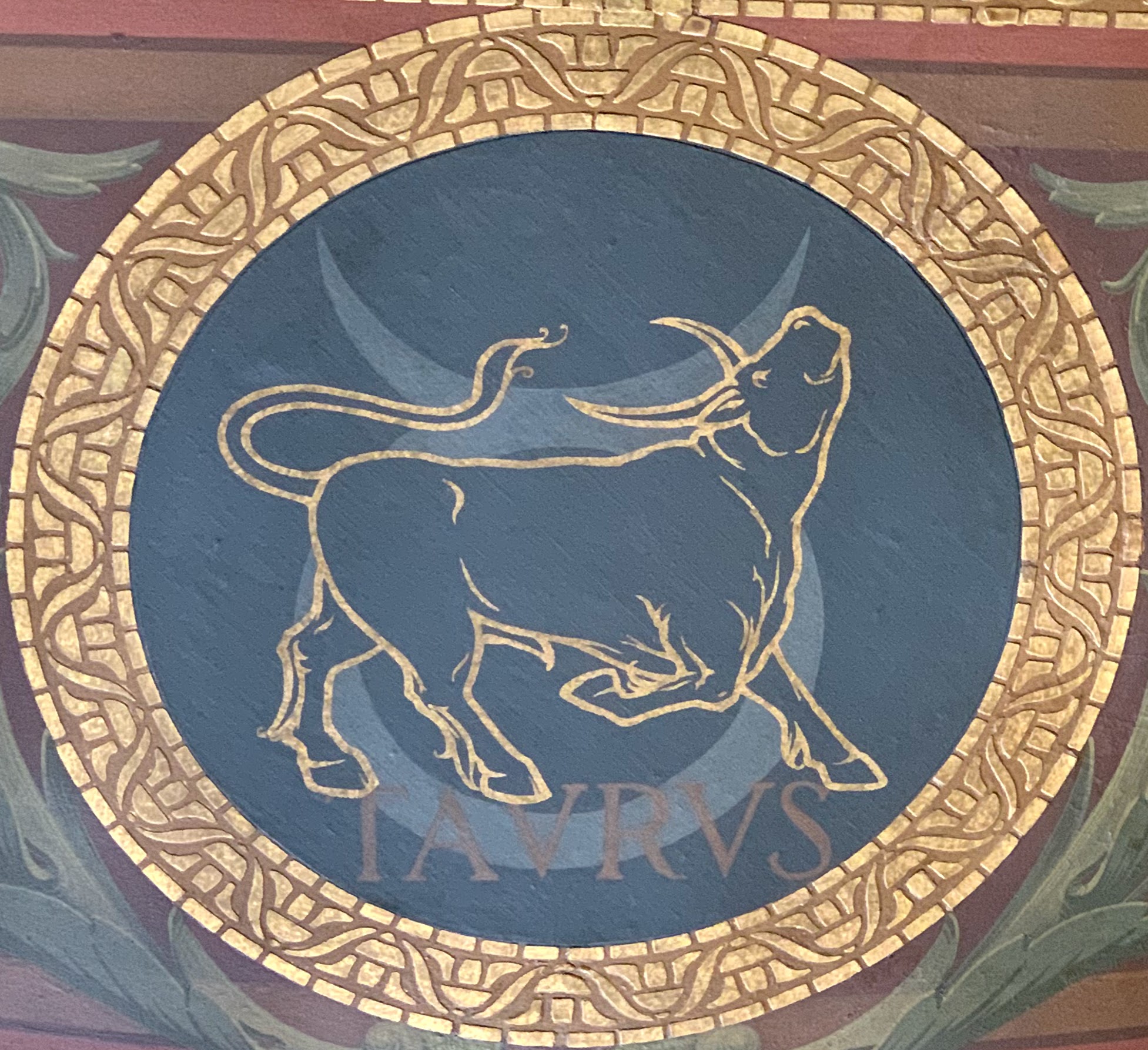
Vrishabha Sankranti is the sacred solar transition when Surya Dev moves from Mesha (Aries) into Vrishabha (Taurus) in the Vedic sidereal zodiac. It marks the beginning of the Vrishabha solar month and is one of the twelve monthly Sankrantis observed in the Hindu calendar. In 2026, Vrishabha Sankranti is widely observed on Friday, 15 May, and many Panchang references place this transition around 6:28 AM IST, although exact timings may vary slightly depending on location.
At one level, it is an astronomical and astrological transition. But in Sanatan Dharma, a Sankranti is never seen as merely a technical movement of the Sun. It is a sacred reset point, a subtle shift in time, energy, rhythm, and dharmic focus. Each Sankranti carries its own inner lesson, and Vrishabha Sankranti brings one of the most important lessons of all: what you begin must now be sustained.
This is what makes Vrishabha Sankranti so meaningful. It is the movement from the fiery momentum of Mesha into the grounded stability of Vrishabha. If Mesha represents initiation, boldness, speed, and action, Vrishabha represents patience, nourishment, value, steadiness, resources, and preservation. So spiritually and symbolically, this Sankranti is the shift from intensity into stability, from acceleration into grounding, and from restless ambition into practical, disciplined growth.
In very simple words, if Mesha Sankranti says, “Start the fire,” then Vrishabha Sankranti says, “Now protect the fire and make it useful.” That is the quiet beauty of this day. It is not a loud or dramatic transition. It is a stabilizing one. It teaches that real strength is not only in fast beginnings, but in what can be held, nourished, protected, and built over time.
The Deeper Spiritual Meaning of Vrishabha Sankranti
Vrishabha Sankranti is not just about Surya Dev entering a new sign. It is a deeply symbolic spiritual moment. In Vedic thought, Surya represents the soul, vitality, purpose, authority, discipline, and inner light. The Sun is not only the giver of physical life, but also the symbol of consciousness, direction, and divine order. That is why every Sankranti is spiritually important. When the Sun changes signs, the subtle emphasis of time itself changes.
The transition from Mesha to Vrishabha is especially powerful because of the contrast between the two rashis. Mesha is fiery, bold, initiating, and forward-moving. It carries the energy of beginning something with force. Vrishabha, on the other hand, is earthy, stable, patient, and value-oriented. It is connected with food, body, land, wealth, comfort, security, and preservation. So when Surya moves into Vrishabha, the lesson becomes very clear: channel your energy into something stable, valuable, and sustainable.
This is why Vrishabha Sankranti often feels spiritually different from more fiery solar transitions. After the high heat and strong thrust of Mesha, this movement softens and grounds the energy. The Sun leaves a sign where it is considered extremely powerful and enters Vrishabha, ruled by Shukra (Venus). This creates a more inward and practical shift. It is not about raw force anymore. It is about value-led patience. It is not about proving power through speed. It is about expressing power through steadiness.
That is the deeper teaching of this Sankranti: power is not only in starting—power is in sustaining with patience.
This is why Vrishabha Sankranti can feel especially meaningful for people who are trying to rebuild after emotional chaos, bring discipline after overspending, restore consistency after scattered effort, recover the body after stress, or create peace after burnout. It is a quiet but deeply healing solar moment. It does not push. It stabilizes.
And that is its hidden blessing.
Why Vrishabha Sankranti is Spiritually Important in Dharma
All Sankrantis are spiritually significant in Hindu tradition because they mark the Sun’s entry into a new sign and begin a fresh solar phase. These transitions are considered especially suitable for punya snan, Surya aradhana, daan, japa, and sattvic conduct. But Vrishabha Sankranti has a distinct flavor. It is especially connected with stability, nourishment, financial grounding, food consciousness, family security, and disciplined preservation.
This makes it more than a calendar date. It becomes a dharmic reminder.
Vrishabha Sankranti is primarily a Surya-centered observance. The core devotional focus remains on Surya Dev, and the traditional practices of the day usually include early morning bathing, offering jal arghya to the Sun, simple Surya puja, mantra japa, and charity during punya kaal. In some traditions, devotees may also include remembrance of Lord Vishnu, but the main spiritual center of the day remains Surya Dev.
The religious beauty of this Sankranti lies in what it naturally emphasizes. It is especially associated with earth-element stability, annam (food), dhana (wealth and resources), land and property awareness, and preservation over expansion. That makes it especially meaningful for prayers related to family stability, food abundance, righteous prosperity, business grounding, long-term planning, and protecting what sustains life.
In many ways, this Sankranti gently reminds us that spirituality is not separate from practical life. Respecting food is spiritual. Managing money with discipline is spiritual. Caring for the body is spiritual. Honoring family responsibilities is spiritual. Preserving what supports life is spiritual. This is why Vrishabha Sankranti has such a mature and grounded devotional energy.
It is not the energy of dramatic breakthrough. It is the energy of sacred maintenance.
And in real life, that is often what matters more.
Astrological Importance of Surya in Vrishabha
From a Vedic astrology perspective, when Surya enters Vrishabha, a more grounded, practical, materially aware, and steady energy begins to influence the collective for roughly a month—approximately from 15 May to 15 June 2026. This is generally seen as a time when people become more aware of money, values, possessions, comfort, food, body needs, land, and long-term security.
While Mesha energy pushes quick movement and decisive action, Vrishabha energy slows things down in a useful way. It does not weaken willpower—it changes its style. The will becomes more patient, more durable, and more persistent. Instead of rushing, it builds. Instead of chasing constant movement, it seeks solidity.
This is why the period of Sun in Taurus often supports things like financial planning, a savings mindset, practical business decisions, disciplined routines, body nourishment, home-related responsibilities, and long-term commitments. It is an excellent time to think in terms of sustainability instead of speed.
The themes of this period often include a stronger focus on: security over excitement, consistency over impulse, value over appearance, and preservation over reckless expansion.
That is why one of the strongest content lines for this Sankranti is:
Vrishabha Sankranti is not about instant miracles. It is about building what lasts.
This makes it highly relevant in modern life as well. In a world where people are constantly pushed toward urgency, performance, and fast results, Vrishabha Sankranti brings a very needed correction. It says: slow down, strengthen your base, respect your resources, protect your peace, and build something real.
That is not passive energy. That is grounded power.
How to Celebrate Vrishabha Sankranti in a Simple and Powerful Way
The most beautiful way to observe Vrishabha Sankranti is through a clean, Surya-centered, sattvic practice. It does not require complexity. It requires sincerity, order, and conscious presence.
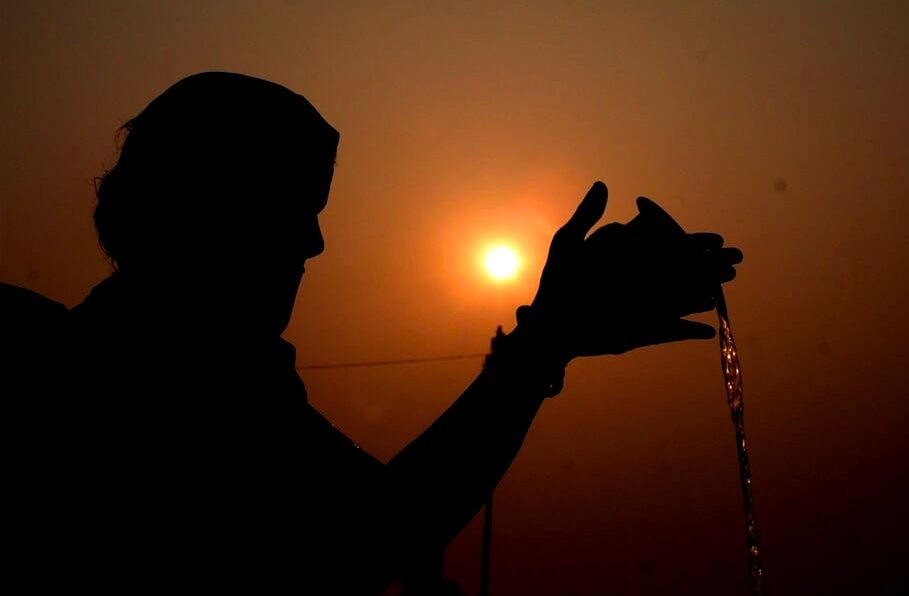
The day is ideally begun by waking up early and taking a bath, preferably before or around the Sankranti time if possible according to one’s family tradition. After that, offering jal arghya to Surya Dev is one of the most important and spiritually aligned acts of the day. This is a timeless practice that connects the devotee directly with the life-giving force of the Sun and invites health, clarity, strength, and righteous direction into life.
After offering arghya, one can do a simple Surya puja with water, diya, flowers, incense, and a respectful pranam. The prayers on this day are especially beautiful when they focus on health, clarity, stability, purity in action, and prosperity rooted in dharma rather than only material gain.
For mantra chanting, some of the safest and most powerful options are: “Om Suryaya Namah” “Om Ghrini Suryaya Namah”
If someone is already familiar with it, Aditya Hridayam can also be recited or listened to. If Gayatri Mantra is already part of one’s regular spiritual discipline, it may also be included. A very simple and effective practice for most devotees is to chant “Om Ghrini Suryaya Namah” 108 times.
As with all Sankrantis, snan and daan during punya kaal are considered especially auspicious. Charity on this day may include water, food, jaggery, wheat, clothes, helping the poor, or feeding cows, depending on one’s family tradition and capacity. The deeper spirit of the day is not showy charity, but respectful, sattvic giving that reflects gratitude and responsibility.
Most importantly, the day should be kept calm, grounded, and disciplined. Vrishabha Sankranti is a beautiful time to avoid impulsive spending, emotional excess, anger, greed, indulgence, ego clashes over money or comfort, and careless treatment of resources. It is a day to slow down and act with dignity.
What Not to Do and the Core Spiritual Truth of Vrishabha Sankranti
Just as there are beautiful practices to do on this day, there are also certain attitudes and habits best avoided. On Vrishabha Sankranti, one should consciously avoid disrespecting food, wasting water, unnecessary luxury spending, greed, harsh speech, impulsive money decisions, overeating, tamasic indulgence, and treating the day like “just another date.”
This Sankranti rewards a very specific inner quality. It responds well to gratitude, order, restraint, dignity, consistency, and reverence for what sustains life.
That is why the best inner prayer for this day is deeply simple and deeply powerful:
“Surya Dev, bring stability to my life, purity to my actions, strength to my body, clarity to my mind, and prosperity that is rooted in dharma.”
This prayer captures the true essence of Vrishabha Sankranti. It is not a prayer for noise. It is a prayer for foundation.
At its deepest level, Vrishabha Sankranti teaches a truth that modern life desperately needs: real prosperity is not speed—it is stability.
This day is not about loud manifestation energy, dramatic breakthroughs, or restless ambition. It is about holding your ground, honoring what feeds you, protecting your peace, building slowly, respecting resources, and letting discipline become devotion.
That is the real beauty of Vrishabha Sankranti.
It is a sacred reminder that the most valuable things in life are rarely built in a rush. They are built with patience. They are protected with wisdom. They are nourished with consistency. And they last because they are rooted in dharma.
Vrishabha Sankranti is, therefore, not just a solar transit. It is a spiritual lesson in how to live well, build wisely, and remain steady under the light of Surya Dev.