What is Adhik Maas and Why Does It Happen?
Adhik Maas is the extra lunar month added to the Hindu calendar to balance the difference between the lunar year and the solar year. People also call it Purushottam Maas, Adhika Masa, and in some traditions, Mala Maas. This extra month keeps festivals, seasons, and sacred timings properly aligned.
The Hindu calendar follows a lunisolar system. Twelve lunar months make about 354 days, while the solar year has around 365 days. This creates a gap of nearly 11 days every year. Over time, the difference increases, so the calendar adds one extra month roughly every 32 to 33 months.
In the traditional system, Adhik Maas appears when a lunar month passes without a solar Sankranti, meaning the Sun does not enter a new zodiac sign during that period. Spiritually, this makes Adhik Maas a month of correction, balance, and cosmic realignment.
That is why Adhik Maas carries such deep meaning. It reminds us that even time needs adjustment. And when life goes out of rhythm, correction is not failure — it is grace.
Why is Adhik Maas Called Purushottam Maas?
One of the most beautiful parts of Adhik Maas comes from its devotional story. In older traditions, people often treated this extra month as neglected because many worldly auspicious events were avoided during this period. That is why some traditions called it Mala Maas.
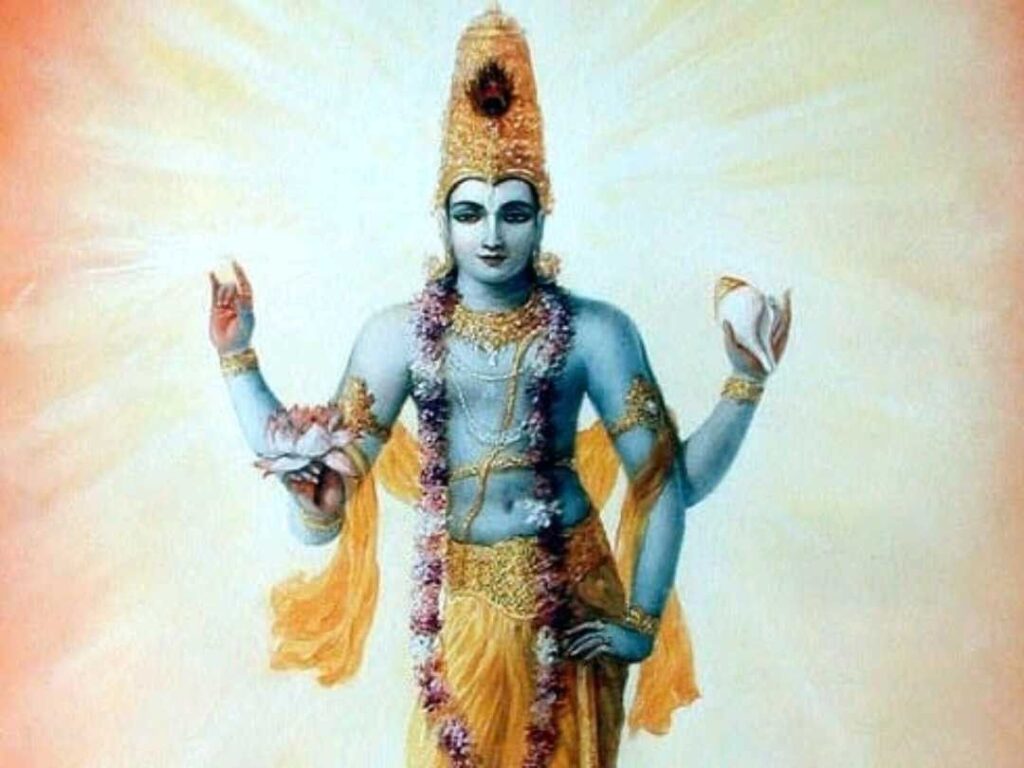
According to the Purushottam Maas Mahatmya tradition, this rejected month approached Lord Vishnu in sorrow. It complained that every other month received honor, purpose, and worship, while it remained ignored and unwanted.
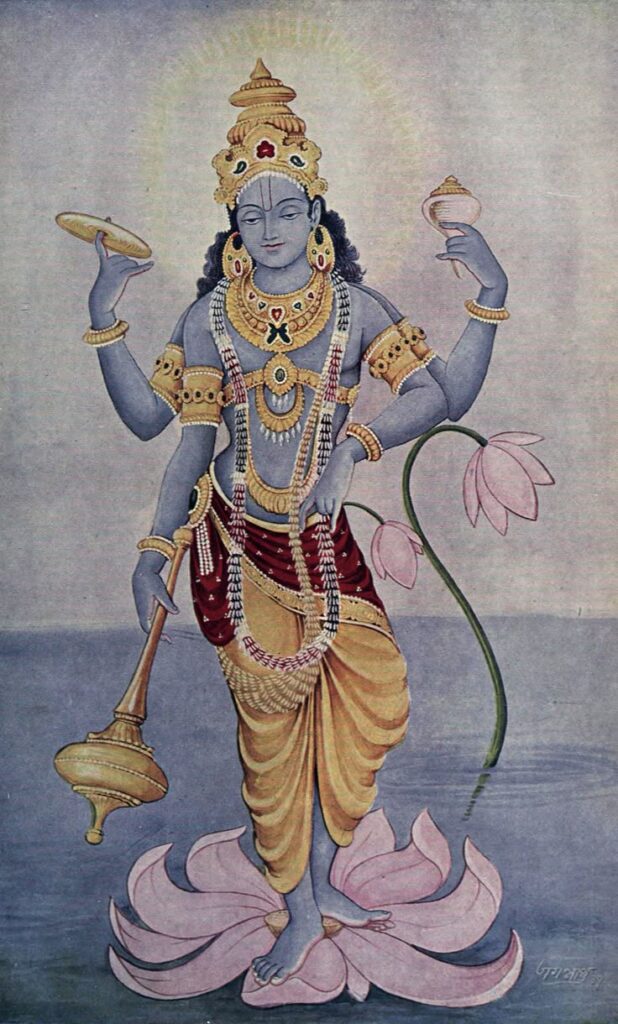
Then Lord Vishnu accepted the month as His own and blessed it with His name, Purushottam. From that moment, Adhik Maas became Purushottam Maas — the sacred month of Lord Vishnu.
This transformed the month completely. What people once avoided for worldly ceremonies became one of the most powerful periods for bhakti, japa, vrat, daan, and spiritual purification.
That is why Adhik Maas carries such emotional and devotional depth. It teaches a powerful truth: what the world rejects, God can make sacred.
The Spiritual Importance of Adhik Maas
Adhik Maas is not a month for material expansion. It is a month for spiritual correction and inner reset. While other periods focus on growth, celebration, and achievement, Adhik Maas encourages people to slow down, simplify life, and turn inward.
This month especially supports bhakti, repentance, japa, scriptural reading, Vishnu worship, self-discipline, and karma cleansing. A simple way to understand it is: other months help you run life, but Adhik Maas helps you reset life.
Traditional practices often avoid major worldly ceremonies during this time. Families may postpone marriages, griha pravesh, mundan, or large material celebrations. But this does not make the month spiritually negative. In fact, it makes the month spiritually stronger.
That is the beauty of Adhik Maas. It may not favor outer celebration, but it strongly supports inner transformation.
Which Deity is Worshipped During Adhik Maas?
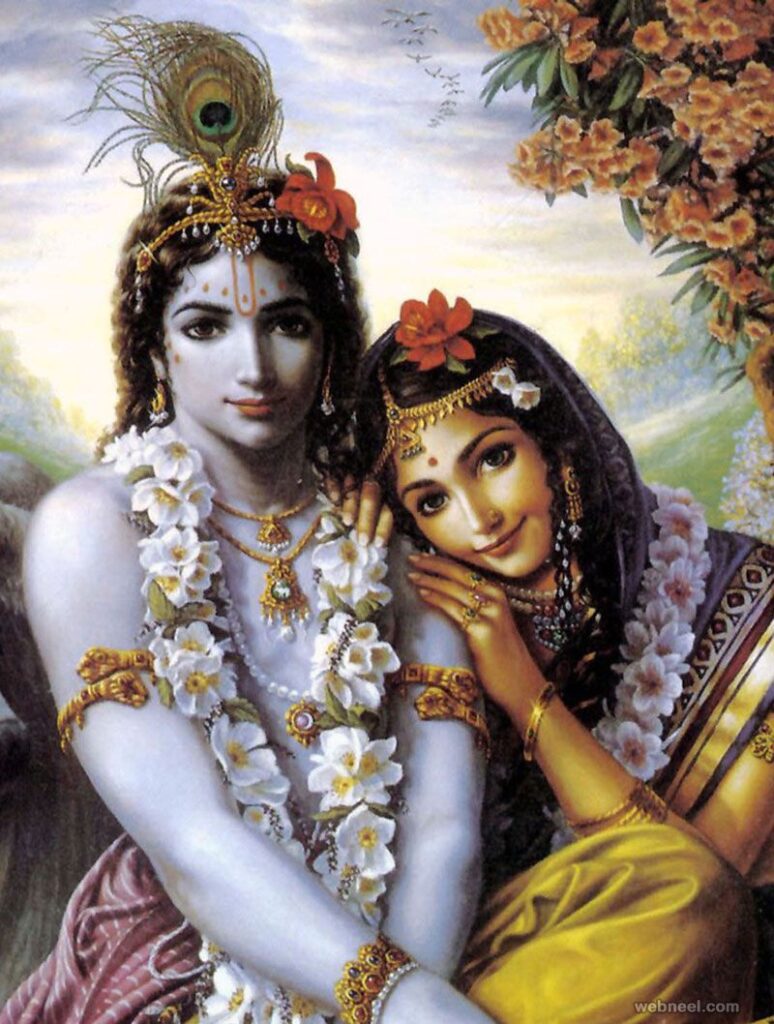
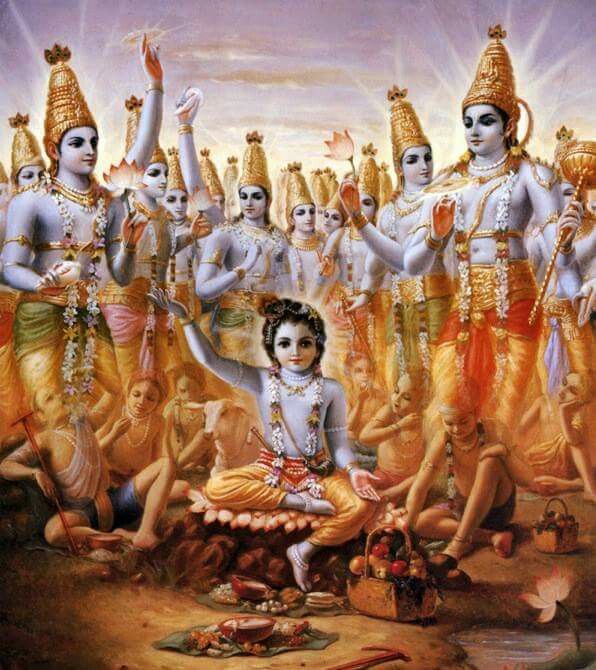
Lord Vishnu, especially in His form as Purushottam, becomes the main deity worshipped during Adhik Maas. Devotees worship Shri Krishna, Lakshmi Narayan, Purushottam Narayan, and in many traditions, Radha-Krishna as well.
Because Lord Vishnu personally sanctified this month, devotees consider it highly powerful for surrender, purification, and bhakti. Many people increase mala chanting, Bhagavad Gita reading, Vishnu Sahasranama, Bhagavatam parayan, Tulsi puja, and Ekadashi observance during this period.
That is why many devotees call Adhik Maas “an extra month of divine grace.” It is not only an extra month in the calendar. It is an extra opportunity for the soul.
The deeper spiritual meaning of Adhik Maas is also very powerful. The month that once had “no place” became the month closest to Lord Vishnu. This reminds us that the delayed, ignored, or difficult phases of life may actually carry the deepest grace.
When Does Adhik Maas Come and How Should It Be Observed?
Adhik Maas usually appears every 32 to 33 months. In 2026, many Panchang sources list Adhik Jyeshtha or Adhik Maas from around 17 May to 15 June 2026, although regional calendars may differ slightly.
This month does not demand complicated rituals. It responds best to simplicity, devotion, consistency, and humility. Devotees usually worship Vishnu, Krishna, or Lakshmi Narayan with Tulsi leaves, flowers, diya, incense, and simple bhog.
Some of the most powerful mantras for this month include:
“Om Namo Bhagavate Vasudevaya”
“Om Namo Narayanaya”
and the Hare Krishna Mahamantra.
Many devotees also read the Bhagavad Gita, Vishnu Sahasranama, Srimad Bhagavatam, Purushottam Maas Mahatmya, or Ramcharitmanas during this time. Daan also becomes highly important. Food donation, gau seva, helping the poor, temple support, and gifting spiritual texts are all considered very auspicious.
What Should You Avoid During Adhik Maas?
Traditionally, many families avoid major mangal karya during Adhik Maas. This often includes marriage, engagement, griha pravesh, and luxury-focused celebrations. The month encourages withdrawal, purification, and spiritual focus rather than outward expansion.
But Adhik Maas is not a cursed or negative month. It is simply a spiritually focused month. Necessary life duties can still continue normally. The purpose is not fear — the purpose is inner refinement.
The deepest message of Adhik Maas is simple and powerful: when life gives you an extra phase, do not fill it with noise. Fill it with God.
That is the true essence of Purushottam Maas. It teaches that the phases we call delayed, inconvenient, or unwanted may actually bring us closest to divine grace.
That is why Adhik Maas is not just an extra month. It is a sacred invitation to pause, purify, simplify, and return to bhakti.
