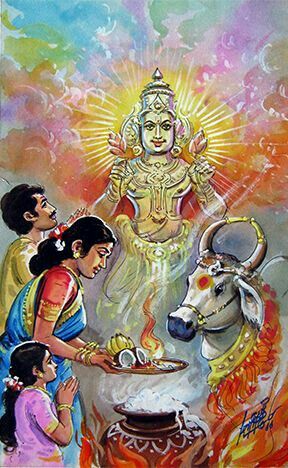
What is Vrishabha Sankranti?
Vrishabha Sankranti is the sacred solar transition when Surya Dev moves from Mesha (Aries) into Vrishabha (Taurus) in the Vedic sidereal zodiac. It marks the beginning of the Vrishabha solar month and is one of the twelve monthly Sankrantis observed in the Hindu calendar. In 2026, Vrishabha Sankranti is widely observed on Friday, 15 May, and many Panchang references place this transition around 6:28 AM IST, although exact timings may vary slightly depending on location.
At one level, it is an astronomical and astrological transition. But in Sanatan Dharma, a Sankranti is never seen as merely a technical movement of the Sun. It is a sacred reset point, a subtle shift in time, energy, rhythm, and dharmic focus. Each Sankranti carries its own inner lesson, and Vrishabha Sankranti brings one of the most important lessons of all: what you begin must now be sustained.
This is what makes Vrishabha Sankranti so meaningful. It is the movement from the fiery momentum of Mesha into the grounded stability of Vrishabha. If Mesha represents initiation, boldness, speed, and action, Vrishabha represents patience, nourishment, value, steadiness, resources, and preservation. So spiritually and symbolically, this Sankranti is the shift from intensity into stability, from acceleration into grounding, and from restless ambition into practical, disciplined growth.
In very simple words, if Mesha Sankranti says, “Start the fire,” then Vrishabha Sankranti says, “Now protect the fire and make it useful.” That is the quiet beauty of this day. It is not a loud or dramatic transition. It is a stabilizing one. It teaches that real strength is not only in fast beginnings, but in what can be held, nourished, protected, and built over time.
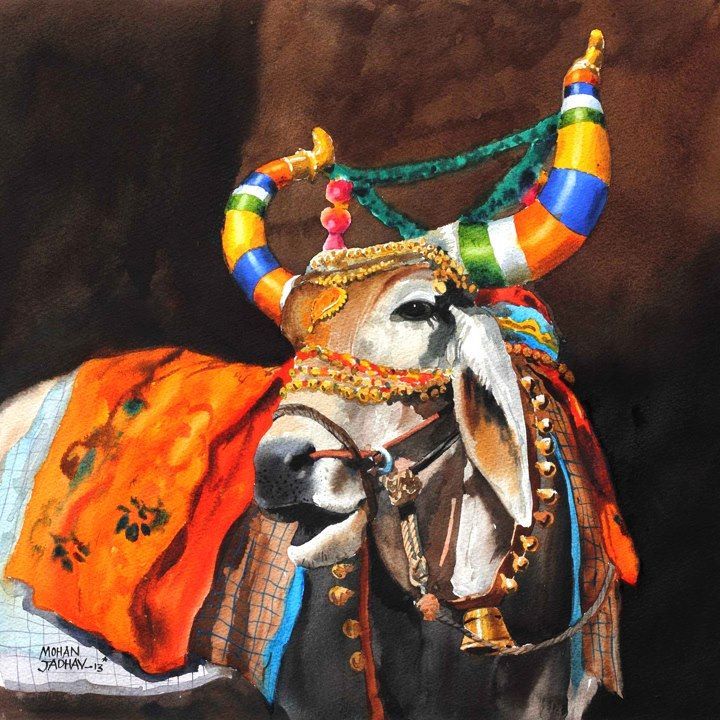
The Deeper Spiritual Meaning of Vrishabha Sankranti
Vrishabha Sankranti is not just about Surya Dev entering a new sign. It is a deeply symbolic spiritual moment. In Vedic thought, Surya represents the soul, vitality, purpose, authority, discipline, and inner light. The Sun is not only the giver of physical life, but also the symbol of consciousness, direction, and divine order. That is why every Sankranti is spiritually important. When the Sun changes signs, the subtle emphasis of time itself changes.
The transition from Mesha to Vrishabha is especially powerful because of the contrast between the two rashis. Mesha is fiery, bold, initiating, and forward-moving. It carries the energy of beginning something with force. Vrishabha, on the other hand, is earthy, stable, patient, and value-oriented. It is connected with food, body, land, wealth, comfort, security, and preservation. So when Surya moves into Vrishabha, the lesson becomes very clear: channel your energy into something stable, valuable, and sustainable.
This is why Vrishabha Sankranti often feels spiritually different from more fiery solar transitions. After the high heat and strong thrust of Mesha, this movement softens and grounds the energy. The Sun leaves a sign where it is considered extremely powerful and enters Vrishabha, ruled by Shukra (Venus). This creates a more inward and practical shift. It is not about raw force anymore. It is about value-led patience. It is not about proving power through speed. It is about expressing power through steadiness.
That is the deeper teaching of this Sankranti: power is not only in starting—power is in sustaining with patience.
This is why Vrishabha Sankranti can feel especially meaningful for people who are trying to rebuild after emotional chaos, bring discipline after overspending, restore consistency after scattered effort, recover the body after stress, or create peace after burnout. It is a quiet but deeply healing solar moment. It does not push. It stabilizes.
And that is its hidden blessing.

Why Vrishabha Sankranti is Spiritually Important in Dharma
All Sankrantis are spiritually significant in Hindu tradition because they mark the Sun’s entry into a new sign and begin a fresh solar phase. These transitions are considered especially suitable for punya snan, Surya aradhana, daan, japa, and sattvic conduct. But Vrishabha Sankranti has a distinct flavor. It is especially connected with stability, nourishment, financial grounding, food consciousness, family security, and disciplined preservation.
This makes it more than a calendar date. It becomes a dharmic reminder.
Vrishabha Sankranti is primarily a Surya-centered observance. The core devotional focus remains on Surya Dev, and the traditional practices of the day usually include early morning bathing, offering jal arghya to the Sun, simple Surya puja, mantra japa, and charity during punya kaal. In some traditions, devotees may also include remembrance of Lord Vishnu, but the main spiritual center of the day remains Surya Dev.
The religious beauty of this Sankranti lies in what it naturally emphasizes. It is especially associated with earth-element stability, annam (food), dhana (wealth and resources), land and property awareness, and preservation over expansion. That makes it especially meaningful for prayers related to family stability, food abundance, righteous prosperity, business grounding, long-term planning, and protecting what sustains life.
In many ways, this Sankranti gently reminds us that spirituality is not separate from practical life. Respecting food is spiritual. Managing money with discipline is spiritual. Caring for the body is spiritual. Honoring family responsibilities is spiritual. Preserving what supports life is spiritual. This is why Vrishabha Sankranti has such a mature and grounded devotional energy.
It is not the energy of dramatic breakthrough. It is the energy of sacred maintenance.
And in real life, that is often what matters more.

Astrological Importance of Surya in Vrishabha
From a Vedic astrology perspective, when Surya enters Vrishabha, a more grounded, practical, materially aware, and steady energy begins to influence the collective for roughly a month—approximately from 15 May to 15 June 2026. This is generally seen as a time when people become more aware of money, values, possessions, comfort, food, body needs, land, and long-term security.
While Mesha energy pushes quick movement and decisive action, Vrishabha energy slows things down in a useful way. It does not weaken willpower—it changes its style. The will becomes more patient, more durable, and more persistent. Instead of rushing, it builds. Instead of chasing constant movement, it seeks solidity.
This is why the period of Sun in Taurus often supports things like financial planning, a savings mindset, practical business decisions, disciplined routines, body nourishment, home-related responsibilities, and long-term commitments. It is an excellent time to think in terms of sustainability instead of speed.
The themes of this period often include a stronger focus on:
security over excitement, consistency over impulse, value over appearance, and preservation over reckless expansion.
That is why one of the strongest content lines for this Sankranti is:
Vrishabha Sankranti is not about instant miracles. It is about building what lasts.
This makes it highly relevant in modern life as well. In a world where people are constantly pushed toward urgency, performance, and fast results, Vrishabha Sankranti brings a very needed correction. It says: slow down, strengthen your base, respect your resources, protect your peace, and build something real.
That is not passive energy. That is grounded power.
How to Celebrate Vrishabha Sankranti in a Simple and Powerful Way
The most beautiful way to observe Vrishabha Sankranti is through a clean, Surya-centered, sattvic practice. It does not require complexity. It requires sincerity, order, and conscious presence.
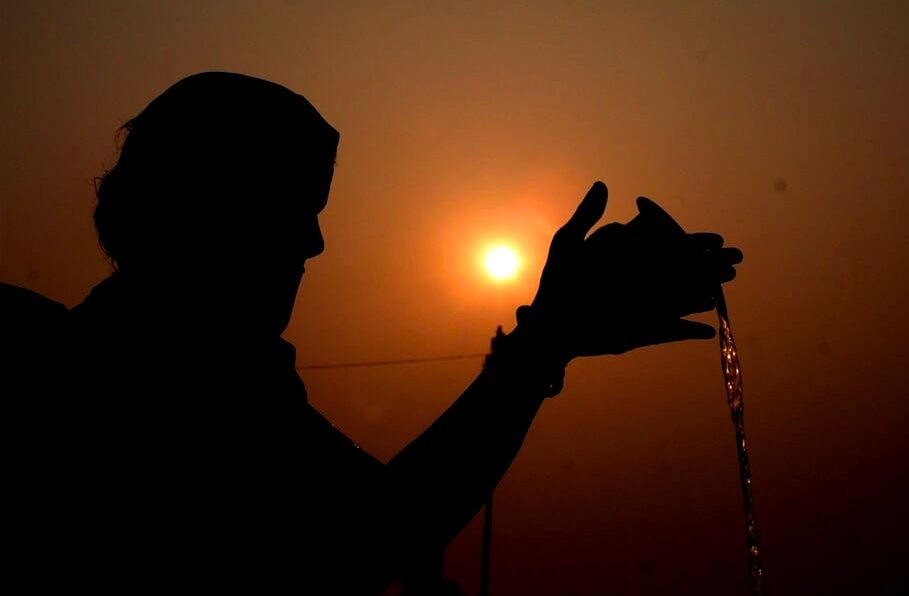
The day is ideally begun by waking up early and taking a bath, preferably before or around the Sankranti time if possible according to one’s family tradition. After that, offering jal arghya to Surya Dev is one of the most important and spiritually aligned acts of the day. This is a timeless practice that connects the devotee directly with the life-giving force of the Sun and invites health, clarity, strength, and righteous direction into life.
After offering arghya, one can do a simple Surya puja with water, diya, flowers, incense, and a respectful pranam. The prayers on this day are especially beautiful when they focus on health, clarity, stability, purity in action, and prosperity rooted in dharma rather than only material gain.
For mantra chanting, some of the safest and most powerful options are:
“Om Suryaya Namah”
“Om Ghrini Suryaya Namah”
If someone is already familiar with it, Aditya Hridayam can also be recited or listened to. If Gayatri Mantra is already part of one’s regular spiritual discipline, it may also be included. A very simple and effective practice for most devotees is to chant “Om Ghrini Suryaya Namah” 108 times.
As with all Sankrantis, snan and daan during punya kaal are considered especially auspicious. Charity on this day may include water, food, jaggery, wheat, clothes, helping the poor, or feeding cows, depending on one’s family tradition and capacity. The deeper spirit of the day is not showy charity, but respectful, sattvic giving that reflects gratitude and responsibility.
Most importantly, the day should be kept calm, grounded, and disciplined. Vrishabha Sankranti is a beautiful time to avoid impulsive spending, emotional excess, anger, greed, indulgence, ego clashes over money or comfort, and careless treatment of resources. It is a day to slow down and act with dignity.
What Not to Do and the Core Spiritual Truth of Vrishabha Sankranti
Just as there are beautiful practices to do on this day, there are also certain attitudes and habits best avoided. On Vrishabha Sankranti, one should consciously avoid disrespecting food, wasting water, unnecessary luxury spending, greed, harsh speech, impulsive money decisions, overeating, tamasic indulgence, and treating the day like “just another date.”
This Sankranti rewards a very specific inner quality. It responds well to gratitude, order, restraint, dignity, consistency, and reverence for what sustains life.
That is why the best inner prayer for this day is deeply simple and deeply powerful:
“Surya Dev, bring stability to my life, purity to my actions, strength to my body, clarity to my mind, and prosperity that is rooted in dharma.”
This prayer captures the true essence of Vrishabha Sankranti. It is not a prayer for noise. It is a prayer for foundation.
At its deepest level, Vrishabha Sankranti teaches a truth that modern life desperately needs: real prosperity is not speed—it is stability.
This day is not about loud manifestation energy, dramatic breakthroughs, or restless ambition. It is about holding your ground, honoring what feeds you, protecting your peace, building slowly, respecting resources, and letting discipline become devotion.
That is the real beauty of Vrishabha Sankranti.
It is a sacred reminder that the most valuable things in life are rarely built in a rush. They are built with patience. They are protected with wisdom. They are nourished with consistency. And they last because they are rooted in dharma.
Vrishabha Sankranti is, therefore, not just a solar transit. It is a spiritual lesson in how to live well, build wisely, and remain steady under the light of Surya Dev.
