What is Rohini Vrat?
Rohini Vrat is a sacred recurring vrat observed whenever Rohini Nakshatra is present after sunrise. Unlike many popular vrats that come once a year on a fixed tithi, Rohini Vrat follows the nakshatra cycle, which means it can appear multiple times in a year. In 2026, traditional Panchang-based calendars list it as a monthly observance, generally appearing around 12 times, and the key rule remains the same: the vrat is observed on the day when Rohini Nakshatra prevails after local sunrise. This rule is consistently noted in modern Panchang and vrat references.
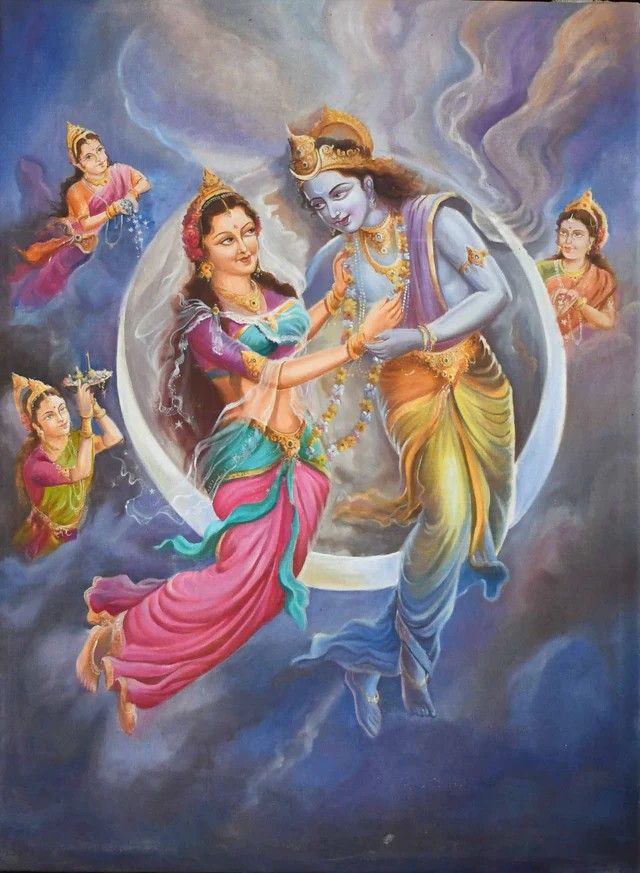
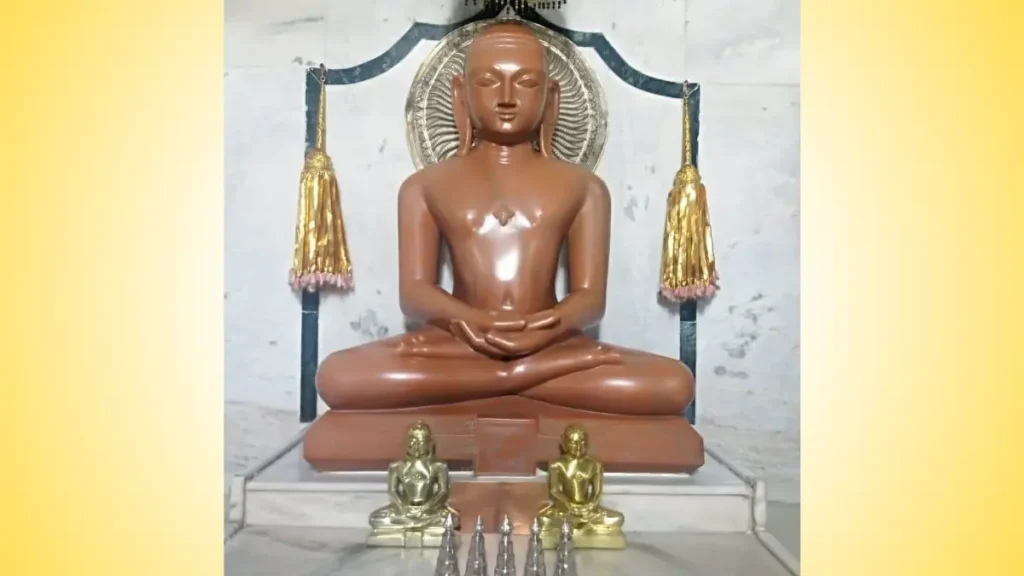
Rohini Vrat is especially respected in Jain tradition, where it is strongly associated with Lord Vasupujya, the 12th Tirthankara, but it is also very much alive in Hindu devotional practice, where many devotees connect it with the auspiciousness of Rohini Nakshatra, the soothing grace of Chandra, and in modern popular observance, the devotional energy of Lord Krishna, whose birth star is traditionally linked with Rohini. In household life, this vrat is often observed for peace in the home, emotional balance, prosperity, relationship harmony, and family welfare.
What makes Rohini Vrat unique is its energy. It is not usually seen as a harsh or fear-based fast. It is a gentle, discipline-based, nourishing vrat. Its power comes less from dramatic ritual intensity and more from repeated sincerity, restraint, and alignment with a soft but powerful cosmic rhythm.
The Story and Traditional Connection of Rohini Vrat
Rohini Vrat is different from many major vrats because it does not have one universally fixed pan-Indian Purana-style katha that all traditions follow. This is important and should be understood properly. Its spiritual identity comes more from living observance, household continuity, Jain vrata discipline, and nakshatra sanctity than from one single famous scriptural episode. That is why different communities preserve different traditional narratives around it.
In Jain tradition, a widely circulated devotional narration connects Rohini Vrat with a queen—often referred to in modern retellings as Queen Rohini or in some versions as Queen Durgandha—who was burdened by suffering linked to past karmas. In the story, despite status and comfort, she lived with inner sorrow and recurring obstacles. A spiritually wise guide or sage explained that the root of her suffering was not merely outer circumstance, but subtle karmic residue that required discipline, purity, and recurring devotion to be softened. She was advised to observe the fast on the day of Rohini Nakshatra, with sincerity, restraint, prayer, and charity. Over time, through repeated observance, her karmic burden lightened, peace returned to her life, and prosperity became stable rather than troubled. Modern 2026 devotional explainers continue to preserve this broad narrative form, even though details may vary by retelling.
That is why the story of Rohini Vrat should be understood less as a single rigid “mythological episode” and more as a traditional moral-spiritual narrative. Its message is very clear: gentle, repeated discipline can purify what sudden effort cannot.
In Hindu devotional understanding, Rohini Vrat is also enriched by the symbolism of Rohini Devi, the beloved consort of Chandra and one of Daksha’s daughters. Traditional lore remembers Rohini as especially dear to the Moon, which is why Rohini Nakshatra carries strong associations with beauty, attraction, emotional depth, fertility, and nourishment. Over time, this made Rohini a naturally auspicious nakshatra for observances related to family well-being, emotional sweetness, prosperity, and devotional softness.

Significance of Rohini Vrat
Rohini Vrat is observed for peace, prosperity, family harmony, emotional healing, marital well-being, and karmic lightness. In Jain practice, it is strongly linked with self-restraint, purification, and karmic cleansing, while in Hindu devotional life, it is often embraced as a vrat for gentle blessings, relationship sweetness, household stability, and emotional balance. Modern guides consistently note that it is especially popular among women for family welfare, though it is open to all sincere devotees.
The deeper beauty of Rohini Vrat lies in its rhythm. Because it returns again and again through the year, it teaches that not all blessings come through one dramatic ritual. Some blessings arrive through repetition, consistency, and calm devotion. That is why Rohini Vrat is spiritually powerful. It slowly trains the mind, softens emotional restlessness, and builds a more stable inner atmosphere. In that sense, it is one of the most psychologically beautiful vrats—especially for those seeking peace without intensity.
Rohini Vrat Dates in 2026
In 2026, Rohini Vrat is observed multiple times across the year. Widely used Panchang-based lists commonly show dates such as January 1, January 29, February 25, March 24, April 20, May 18, June 14, July 12, August 8, September 4, October 1, October 29, and November 25, with some calendars also reflecting the overlap into late December depending on the Nakshatra cycle and sunrise rule. The most important point is that the vrat should be observed on the day when Rohini Nakshatra is active after sunrise in your location. Because some calendars display the nakshatra start date and others display the main sunrise-observance date, a one-day difference can appear in some sources.
So the safest and most accurate dharmic rule is simple: always follow your local Panchang and observe Rohini Vrat on the day Rohini Nakshatra prevails after sunrise.
What to Do on Rohini Vrat
Rohini Vrat responds best to purity, simplicity, restraint, and sincerity. Begin the day with an early bath and a calm sankalp for peace, prosperity, emotional balance, family harmony, and spiritual purity. If you follow the Jain tradition, the day is often centered around Lord Vasupujya, along with prayer, introspection, ahimsa, silence, and self-restraint. Many devotees observe the vrat for 3, 5, or 7 years, and traditional sources often mention 5 years and 5 months as an especially recommended duration before udyapana.
If you follow Hindu devotional practice, you may worship Lord Krishna, Lord Vishnu, Tulsi, or symbolically honor Rohini’s auspicious nourishing energy. Common offerings include Tulsi leaves, white or yellow flowers, ghee diya, fruits, and makhan-mishri. A simple and powerful mantra is “Om Namo Bhagavate Vasudevaya” chanted 108 times. In Jain practice, Namokar Mantra remains the safest and most authentic spiritual anchor.
The fast itself may be observed as Nirjala, Phalahar, milk and fruits, one light sattvic meal, or a stricter Jain-style restraint-based fast, depending on health and family tradition. Many traditional guides note that parana is often done after Rohini Nakshatra ends, typically when the nakshatra transitions onward, sometimes into Mrigashira/Margashirsha depending on how the source names the next star phase.
What Not to Do on Rohini Vrat
On Rohini Vrat, avoid anger, harsh speech, arguments, emotional impulsiveness, tamasic food, greed, showy ritualism, and disrespect toward your family’s traditional method. Because Rohini is deeply linked with Moon energy, mental calm matters a lot. This vrat is not strengthened by force; it is strengthened by gentleness, emotional cleanliness, and consistency. It should not be treated as a one-day shortcut for instant blessings. Its real grace unfolds gradually.
Conclusion
Rohini Vrat is one of the most quietly beautiful vrats in the spiritual calendar. It may not always be as dramatic or publicly celebrated as major annual festivals, but that is exactly what makes it special. It is a vrat of soft strength. It teaches that peace, prosperity, and emotional balance are not always built through intensity—they are often built through repeated devotion, self-restraint, and inner gentleness.
In essence, Rohini Vrat is a sacred monthly nakshatra-based observance that honors the nourishing and calming grace of Rohini through fasting, prayer, and discipline, helping devotees invite peace, prosperity, emotional steadiness, and family harmony into life.
